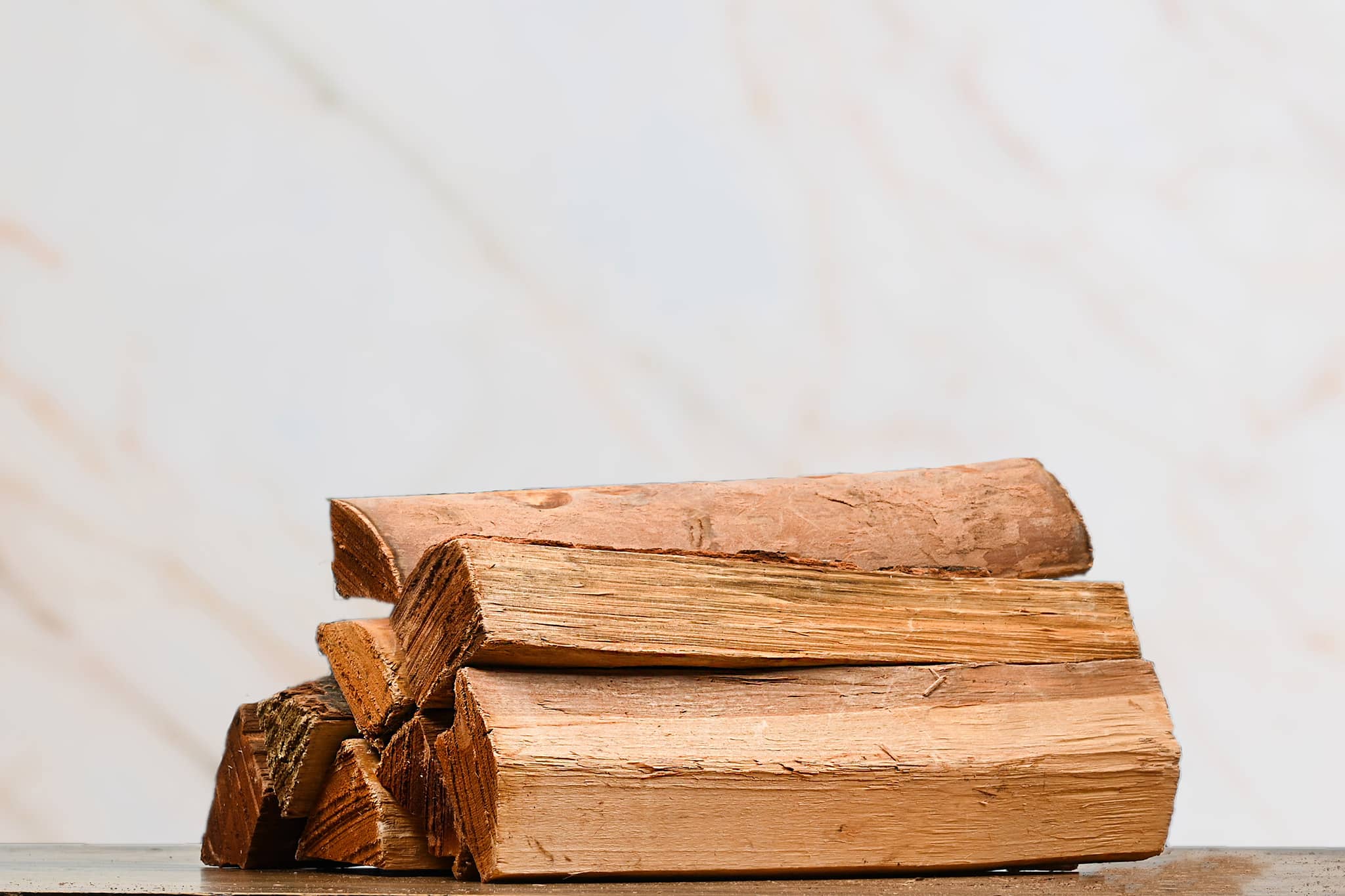


Best Firewood for Wood Stoves and Fireplaces
Choosing the right firewood is essential for anyone who relies on a wood stove or fireplace for warmth, ambiance, or both. While it might seem like any log will do, the type of wood you burn can dramatically affect your heating efficiency, indoor air quality, and even the safety of your chimney. In this comprehensive guide, we will explore the best firewood for wood stoves and fireplaces, discuss the characteristics of top-performing hardwoods, and provide practical tips for selecting, storing, and burning firewood effectively.
Why Firewood Type Matters
When you light a fire in your stove or fireplace, the goal is to produce sustained, clean heat with minimal smoke. The wood you choose plays a major role in how well your fire performs. Factors such as density, moisture content, and resin levels affect how long the wood burns, how much heat it produces, and how much creosote builds up in your chimney.
Hardwoods are generally better suited for heating purposes because of their density. They burn hotter and longer compared to softwoods, which burn quickly and produce more smoke and residue. However, even among hardwoods, some species perform better than others when it comes to fireplace and wood stove applications.
The Science Behind Good Firewood
Understanding how firewood works can help you make informed decisions when selecting wood for your stove or fireplace. The three main stages of firewood combustion are:
- Drying (Evaporation): Moisture in the wood is driven off. This is the initial stage and requires a significant amount of heat.
- Volatile Burning (Gas Phase): Gases and tars are released and burned. This produces most of the flame and visible fire.
- Charcoal Burning (Solid Phase): Remaining charcoal burns slowly, producing long-lasting heat.
Kiln-dried wood excels in all three stages because of its low moisture content and dense composition.
Top Hardwood Options for Wood Stoves and Fireplaces
Oak
Oak is widely regarded as one of the best firewoods available. It is a dense hardwood that burns slowly and produces consistent, long-lasting heat. Once fully seasoned or kiln-dried, oak offers minimal smoke and a clean burn.
Pros:
- High heat output
- Long burn time
- Readily available in many regions
Cons:
- Takes longer to season (up to 2 years if air-dried)
Hickory
Hickory provides an exceptionally hot burn, making it ideal for heating large spaces or for use in colder climates. It also produces a pleasant aroma, which adds to the fireplace experience.
Pros:
- Highest BTU output among domestic hardwoods
- Burns cleanly with little smoke
- Pleasant scent when burning
Cons:
- It can be more expensive
- Heavier and harder to split than other woods
Maple
Maple burns clean and hot, with a relatively easy ignition and stable burn. It is a good all-around choice for both wood stoves and fireplaces.
Pros:
- Steady, consistent heat
- Easy to find and split
- Good choice for moderate climates
Cons:
- Shorter burn time than oak or hickory
Cherry
Cherry is prized not just for its moderate heat output but also for the aromatic experience it offers. It is a beautiful wood that burns clean and adds a touch of luxury to your fire.
Pros:
- Pleasant, sweet aroma
- Attractive flames
- Produces minimal smoke and residue
Cons:
- Moderate heat output
- Not as long-lasting as denser hardwoods
Ash
Ash is known for being one of the few types of wood that can be burned green, although seasoned ash always performs better. It is easy to split and offers consistent heat.
Pros:
- Burns well even when not fully seasoned
- Easy to handle and split
- Good heat output
Cons:
- Scarcity in some areas due to emerald ash borer infestations
Softwoods to Avoid (or Use with Caution)
Softwoods like pine, spruce, and fir are not recommended for regular use in wood stoves or fireplaces. Although they ignite easily and can be useful for kindling, they burn quickly, produce a lot of smoke, and leave behind creosote deposits, which can be hazardous.
Kiln-Dried vs. Seasoned Firewood
For both wood stoves and fireplaces, moisture content is critical. Wood with more than 20 percent moisture content is considered green and is inefficient and unsafe to burn. It produces less heat and increases the risk of creosote buildup.
Kiln-Dried Firewood
- Dried in a controlled environment
- Moisture content consistently below 20 percent
- Burns hotter and cleaner
- Pest and mold-free
Seasoned Firewood
- Naturally air-dried over 6 to 18 months
- Moisture content varies
- Requires proper storage and time to reach a burnable state
For convenience and performance, kiln-dried firewood is the best option for immediate use and optimal results.
How to Test Your Firewood’s Moisture Level
A moisture meter is the most reliable way to test firewood readiness. Insert the prongs into the center of a freshly split log. If the reading is below 20 percent, the wood is ready to burn.
Alternatively, place a small piece of wood in a hot fire. If it sizzles or bubbles, it likely still contains too much moisture.
Storing Firewood Correctly
No matter which firewood you choose, proper storage is essential to maintain its quality. Here are the best practices:
- Stack wood off the ground to avoid moisture absorption
- Keep the stack covered but allow for air circulation
- Store away from your home to reduce the risk of pest intrusion
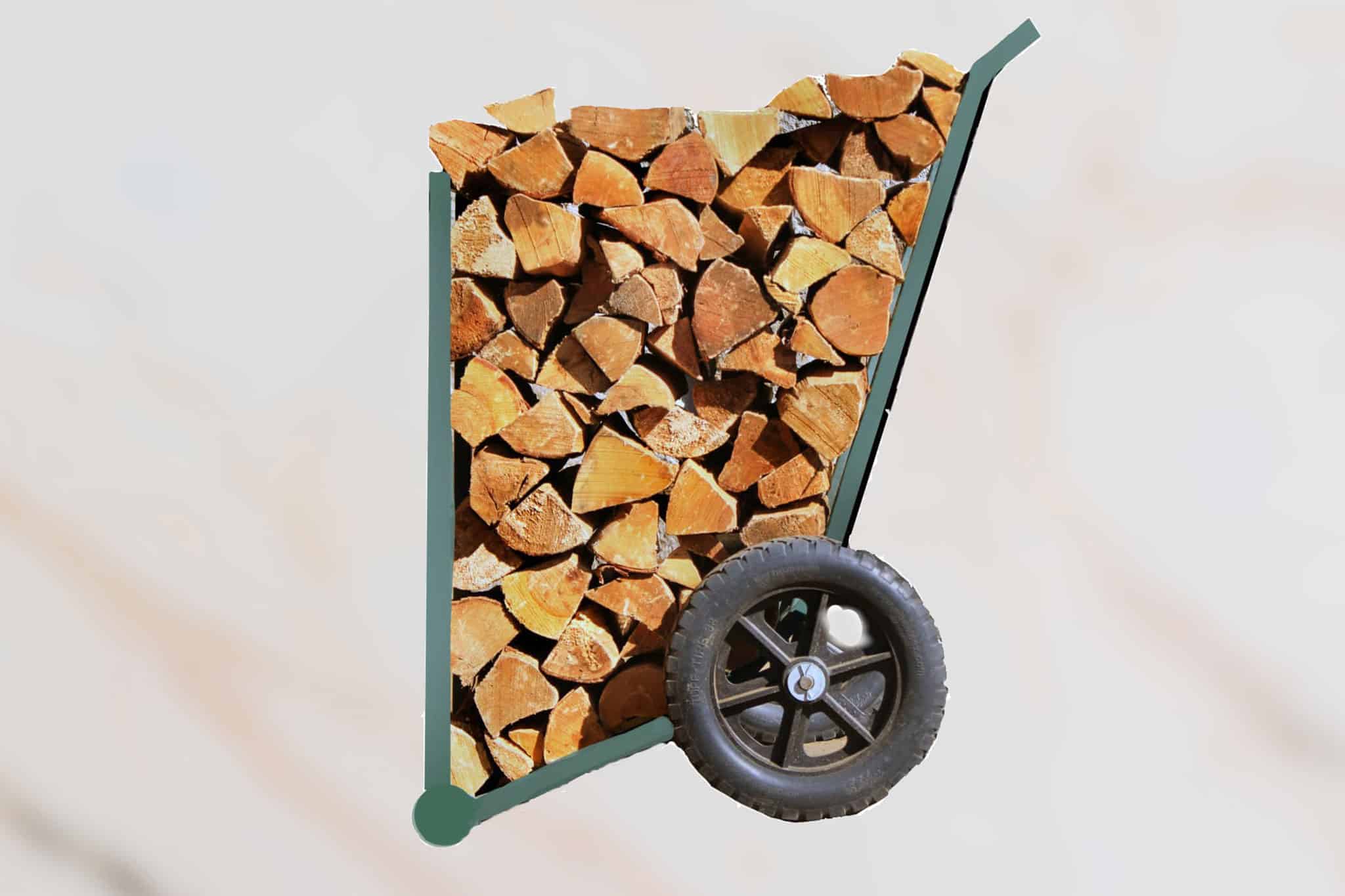
- Use a firewood rack or pallet with a weatherproof cover
Premier Firewood Company offers storage racks and covers with delivery to ensure your firewood remains dry and ready to burn.
Best Practices for Burning Firewood
- Use only dry, seasoned or kiln-dried wood
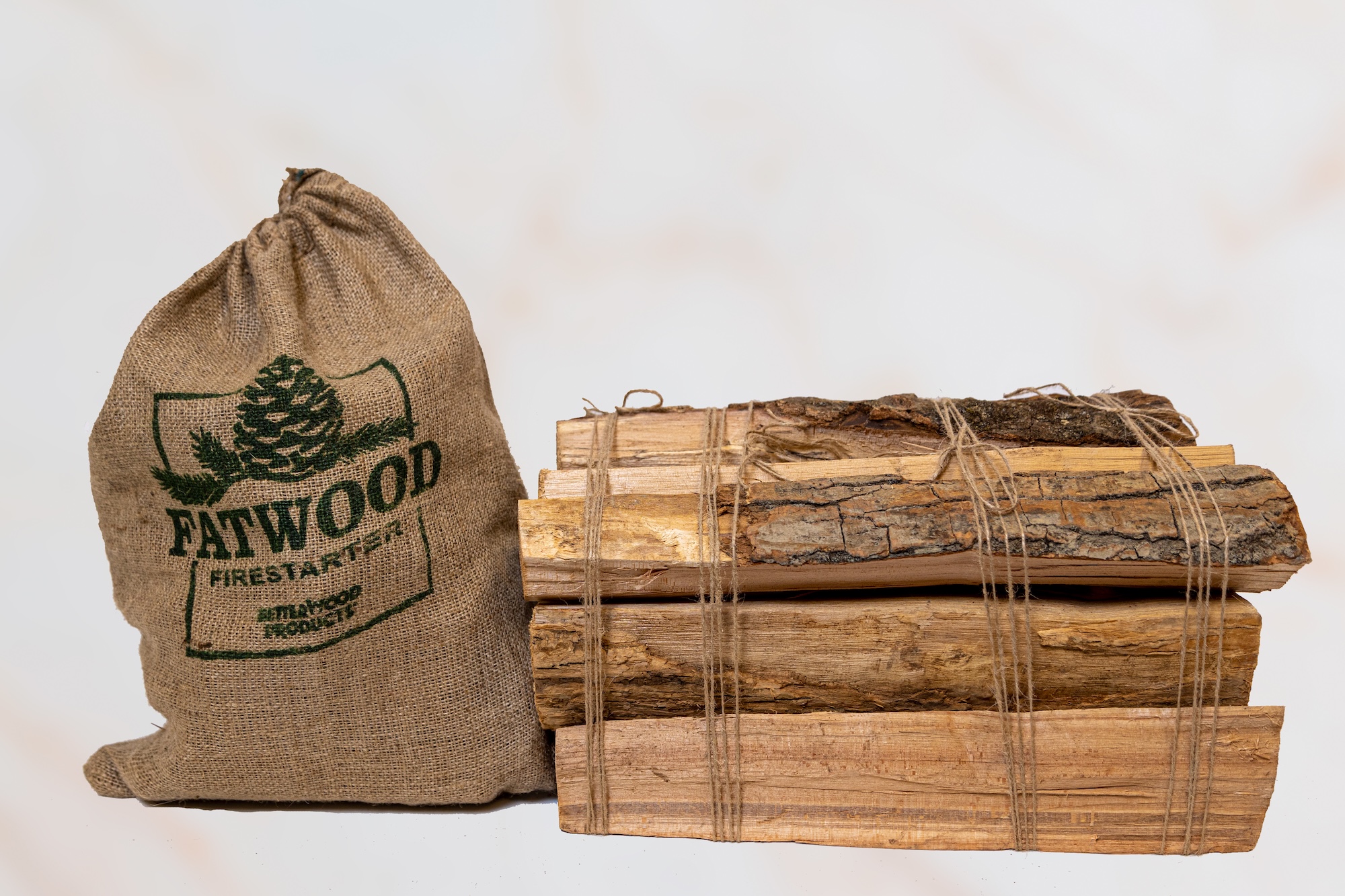
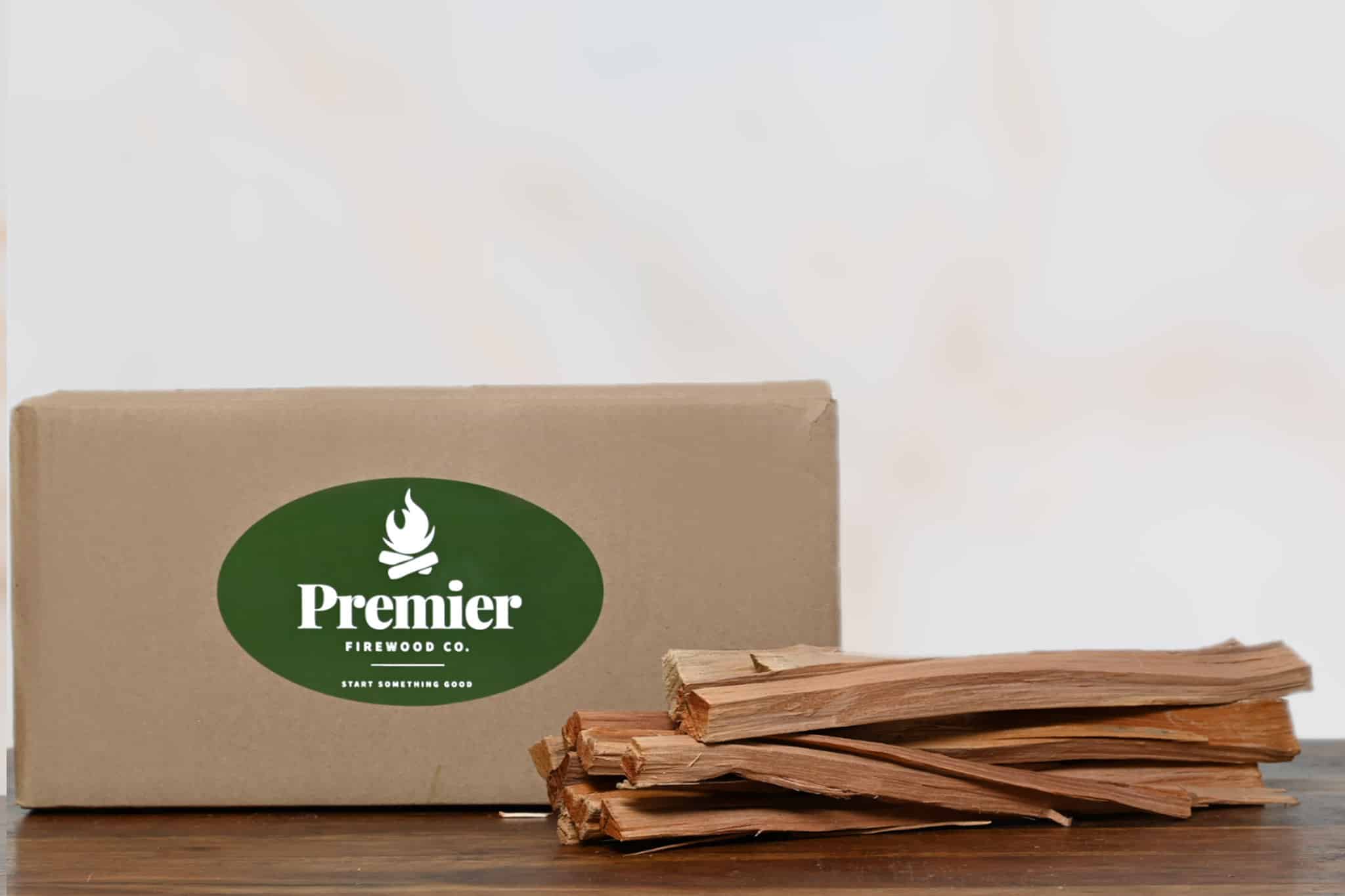
- Start fires with kindling and fatwood, not flammable liquids
- Ensure proper airflow in your stove or fireplace
- Clean your chimney regularly to prevent creosote buildup
- Avoid burning painted or treated wood
Environmental Impact and Sustainability
Choosing sustainably sourced hardwood supports responsible forestry practices. Premier Firewood Company only offers firewood harvested from managed forests in the Northeast. This helps ensure long-term wood availability and ecosystem health.
Burning kiln-dried or properly seasoned hardwoods also reduces emissions and improves energy efficiency compared to green or softwood logs.
Why Choose Premier Firewood Company
Premier Firewood Company delivers premium kiln-dried firewood that is:
- Sustainably sourced
- Pest and mold free
- Ready to burn upon delivery
- Available in bulk quantities
Our mixed hardwood offerings include oak, maple, ash, beech, and cherry. Each order is stacked neatly and delivered directly to your home or business. We also provide storage solutions to keep your wood in optimal condition.
How to Order Firewood
Ordering firewood from Premier Firewood Company is simple:
- Visit our website: PremierFirewoodCompany.com
- Select the type and amount of firewood you need
- Choose additional options such as racks, covers, or stacking services
- Schedule a convenient delivery date
We serve residential and commercial clients throughout the Northeast and take pride in punctual deliveries and quality assurance.
The best firewood for wood stoves and fireplaces is dense, dry hardwood such as oak, hickory, or maple. These woods offer superior heat output, clean burns, and safe operation. When paired with proper storage and burning practices, the right firewood can transform your home into a warm, inviting space all winter long.
If you are ready to upgrade your firewood supply, Premier Firewood Company is your trusted source. Visit our website to browse our selection and schedule a convenient delivery today.
FAQ
Q: What is the safest firewood to burn indoors?
A: Kiln-dried hardwoods such as oak, hickory, and maple are safest due to low moisture and minimal smoke.
Q: How much firewood do I need for the winter?
A: On average, a household using wood as a supplemental heat source will burn between 2 and 4 cords per season.
Q: Can I mix different types of hardwoods?
A: Yes, mixing hardwoods can balance heat output, burn time, and aroma.
Q: Do I need to split my firewood further?
A: It depends on your stove or fireplace size, but splitting to 3 to 6 inch widths improves ignition and airflow.
Q: What kind of wood should I avoid?
A: Avoid softwoods like pine and green wood with high moisture content, as they produce smoke and creosote.
Q: What if I run out of firewood mid-season?
A: Premier Firewood Company offers fast delivery for kiln-dried firewood, ensuring you stay warm no matter the time of year.
Q: Is it better to order firewood in bulk?
A: Yes. Bulk orders offer better value and ensure you have enough wood for the entire season without repeat deliveries.
Q: Can I use the same wood for a fire pit and a fireplace?
A: Absolutely. High-quality hardwoods like oak and maple are versatile and can be used indoors or outdoors.