

Wood fired pizza oven vs. gas: what the difference in heat actually does to your pizza
A wood fired pizza oven and a gas pizza oven can both reach high temperatures, but they do not create the same result on the crust. The difference is not about which one is hotter. It is about where the heat comes from, how the stone floor charges, and whether volatile compounds from burning hardwood ever touch your dough. This guide breaks down the physics so you can decide which setup actually fits how you cook.
How a wood fired pizza oven creates heat differently than gas
Both oven types use three heat transfer modes: radiation from the dome, conduction from the stone floor, and convection from hot circulating air. The difference is in how well each mode is charged, and in what order.
In a wood fired pizza oven, the fire is built directly on the hearth floor. As the wood burns down to coals, those coals transfer heat directly into the stone through conduction. By the time the dome is at 900F, the floor has been absorbing heat from a live coal bed for 45 to 60 minutes. The result is a stone that is hot all the way through, not just on the surface.
A gas oven heats the dome first. The burner fires at the rear, heating the top of the chamber before the heat migrates down to the floor. Forno Bravo, one of the leading wood-fired oven manufacturers, notes this directly: gas ovens heat the dome and center quickly, but the floor lags because there is no coal base transferring heat between the tiles. At the same thermostat reading, a gas oven floor can be significantly cooler than a wood-fired floor.
For Neapolitan pizza, floor temperature is everything. The crust blisters in 60 to 90 seconds at true temperature because the stone underneath conducts heat upward through the dough at the same moment the dome radiates heat downward onto the top. Gas can approximate this, but it requires a longer preheat to compensate for the floor lag.
Quick comparison: wood fired pizza oven vs. gas at a glance
| Wood-fired pizza oven | Gas pizza oven | |
| Peak temp | 850-950F+ | 700-800F typical |
| Floor heat | Coal base heats stone directly | Dome heats first, floor lags |
| Smoke flavor | Yes, from hardwood combustion | None |
| Preheat time | 45-60 min from cold | 20-30 min |
| Cook time at temp | 60-90 seconds | 3-5 minutes typical |
| Temperature control | Manual, fire management | Dial, precise and instant |
| Cleanup | Ash removal required | Minimal |
| VPN certification | Eligible | Not eligible |
What hardwood smoke does to the crust (and what gas cannot replicate)
This is the part most comparison guides gloss over. Smoke flavor is not just ambience. When hardwood combusts, it releases volatile aromatic compounds including guaiacol, syringol, and furans. These compounds are absorbed by the dough surface during the brief cook window, creating the faint smokiness and char complexity that defines a wood-fired crust.
Gas produces clean combustion. Propane and natural gas burn to carbon dioxide and water vapor. There are no aromatic byproducts. The crust that comes out of a gas oven can be excellent, but it will not have that specific layer of flavor. For a straightforward Margherita with quality ingredients, some cooks prefer the clean profile of gas. For a pizza where the crust itself is part of the experience, wood is the only way to get there.
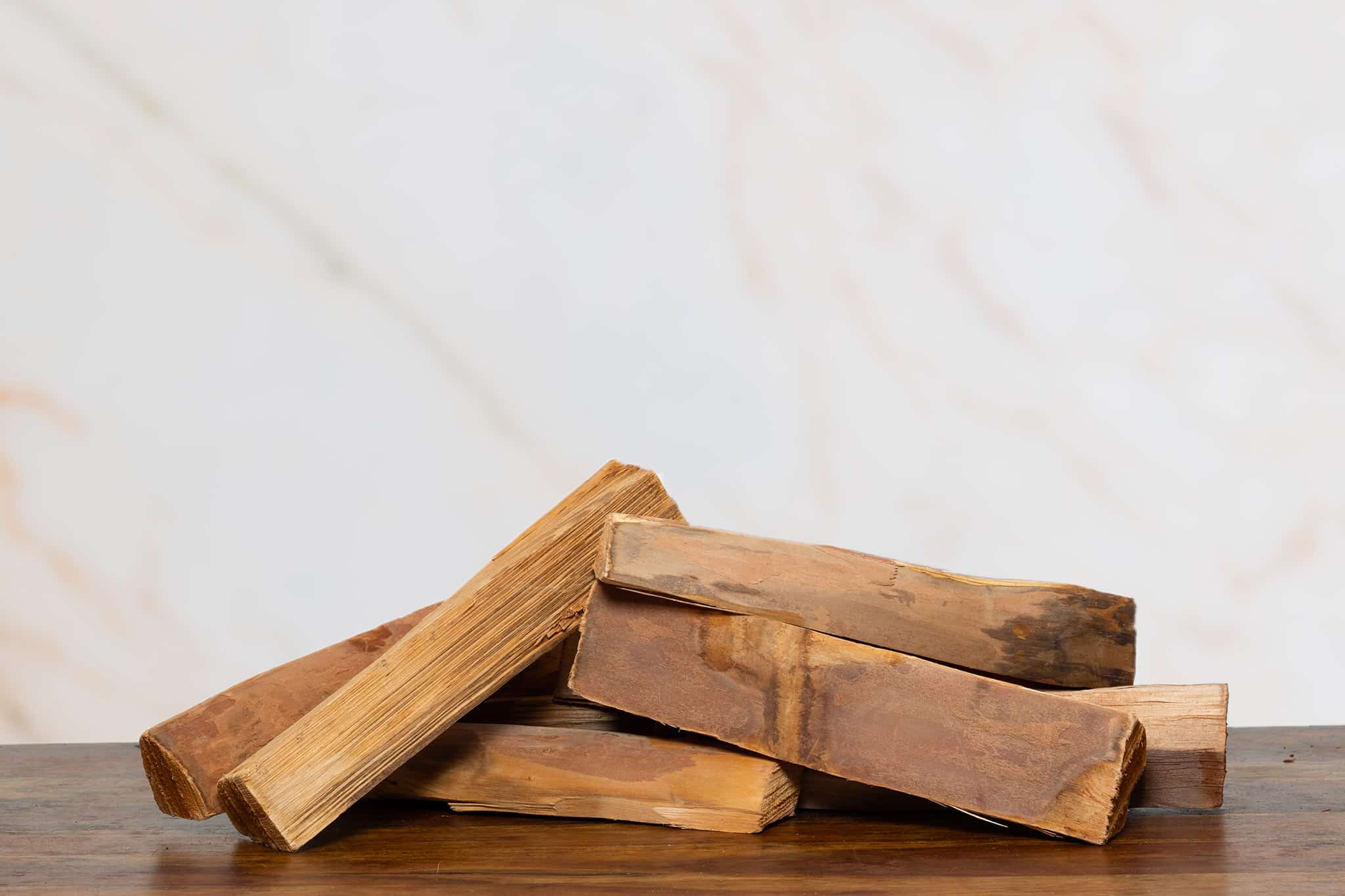
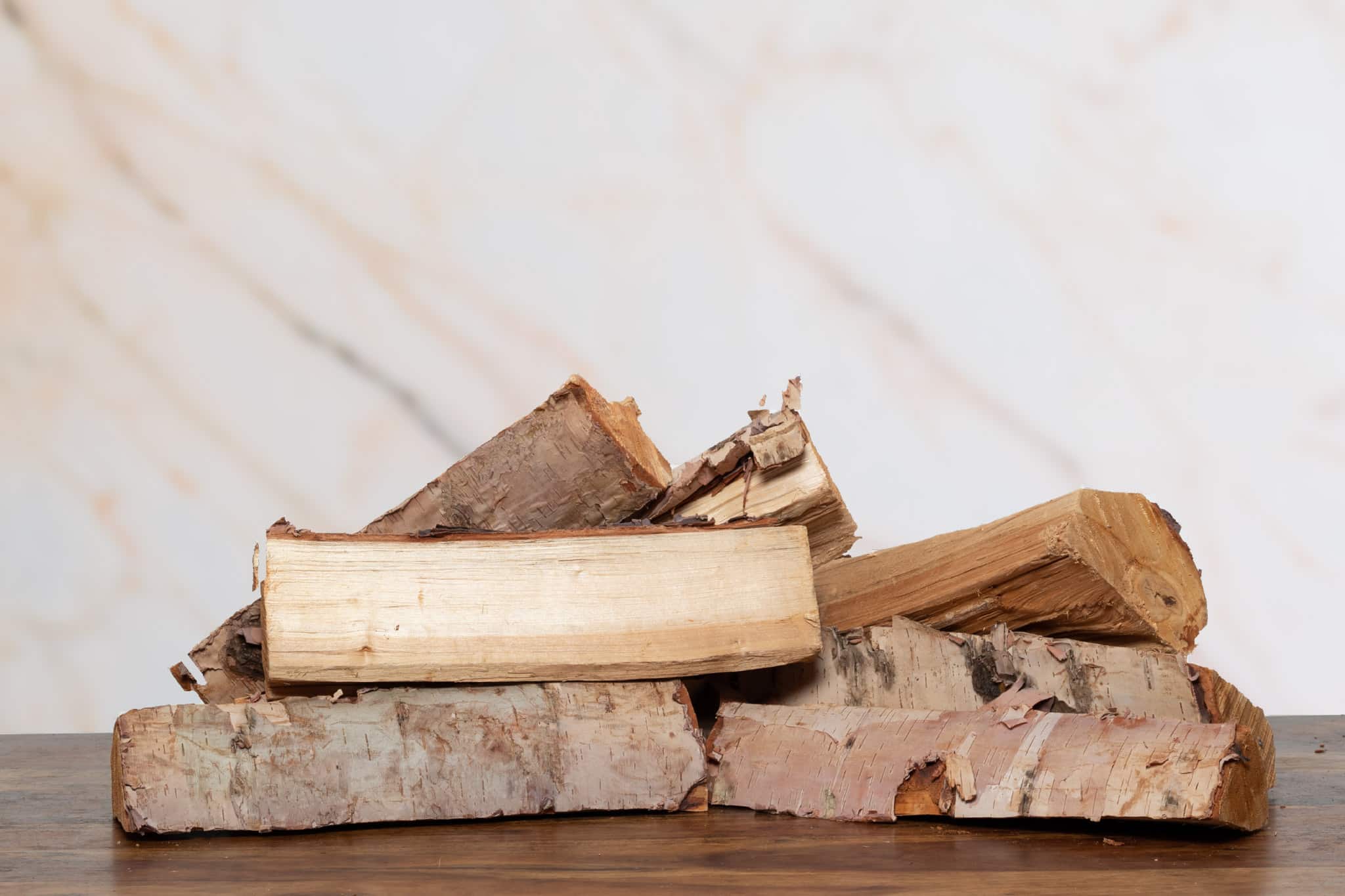
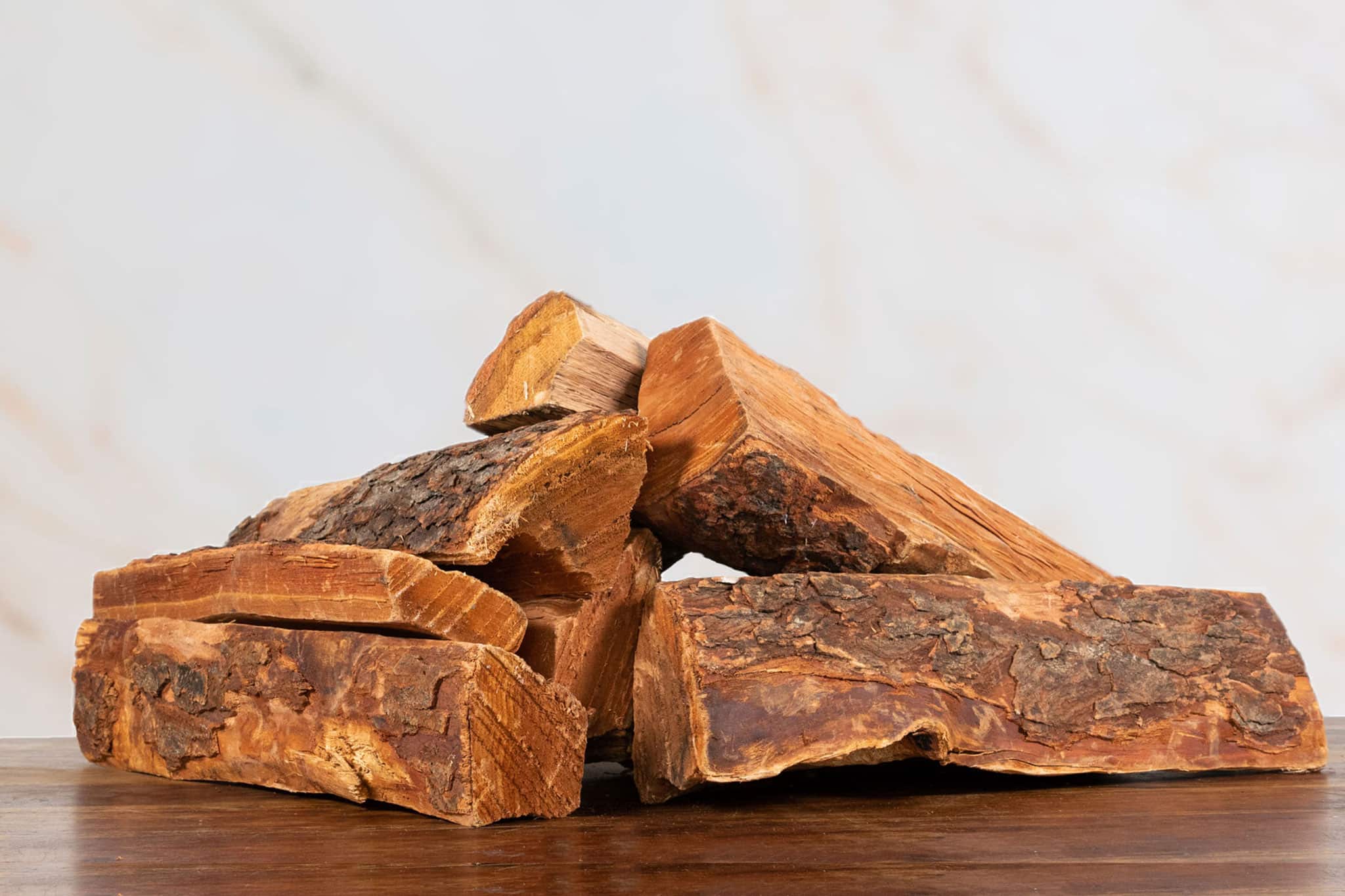
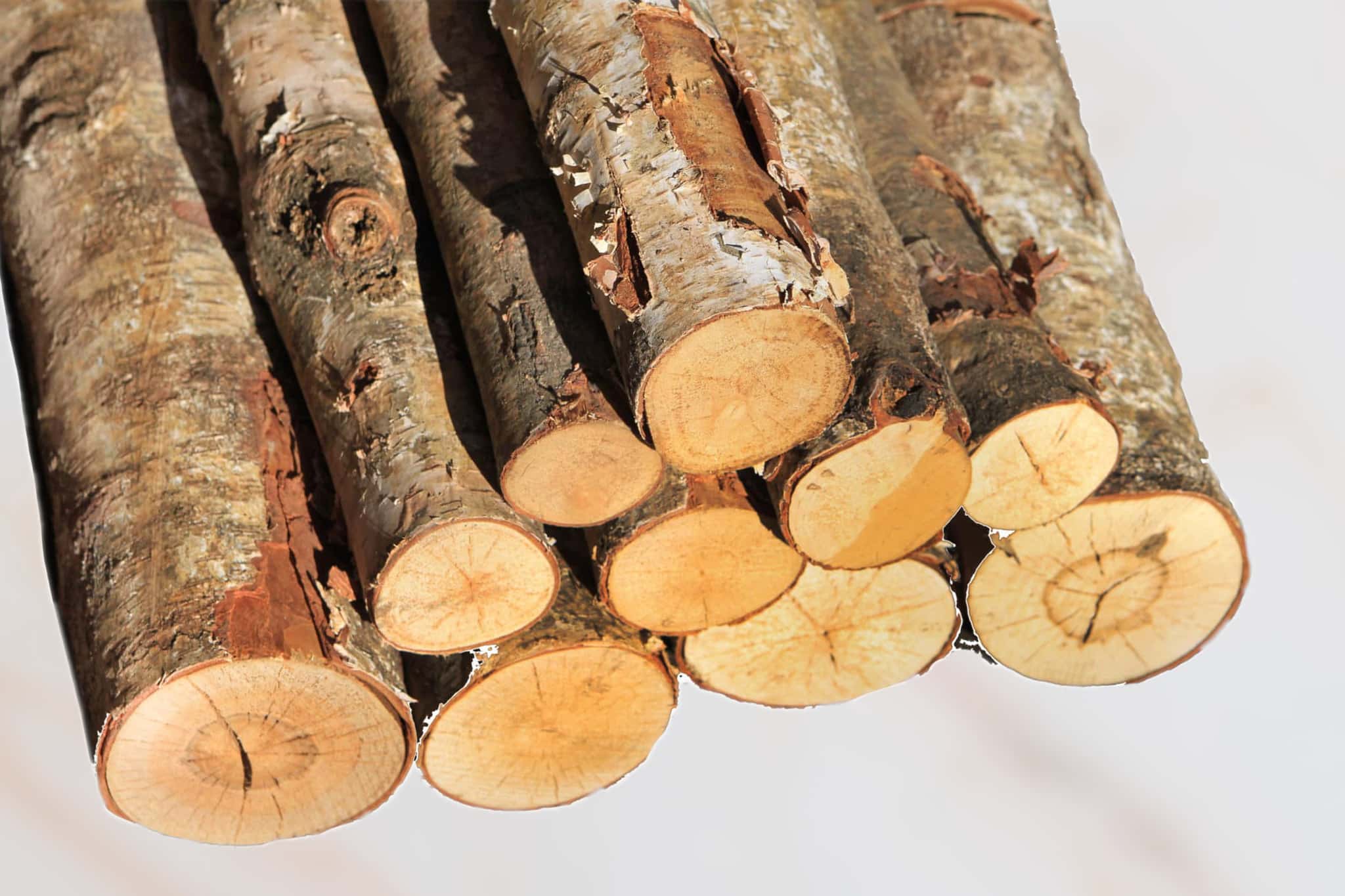
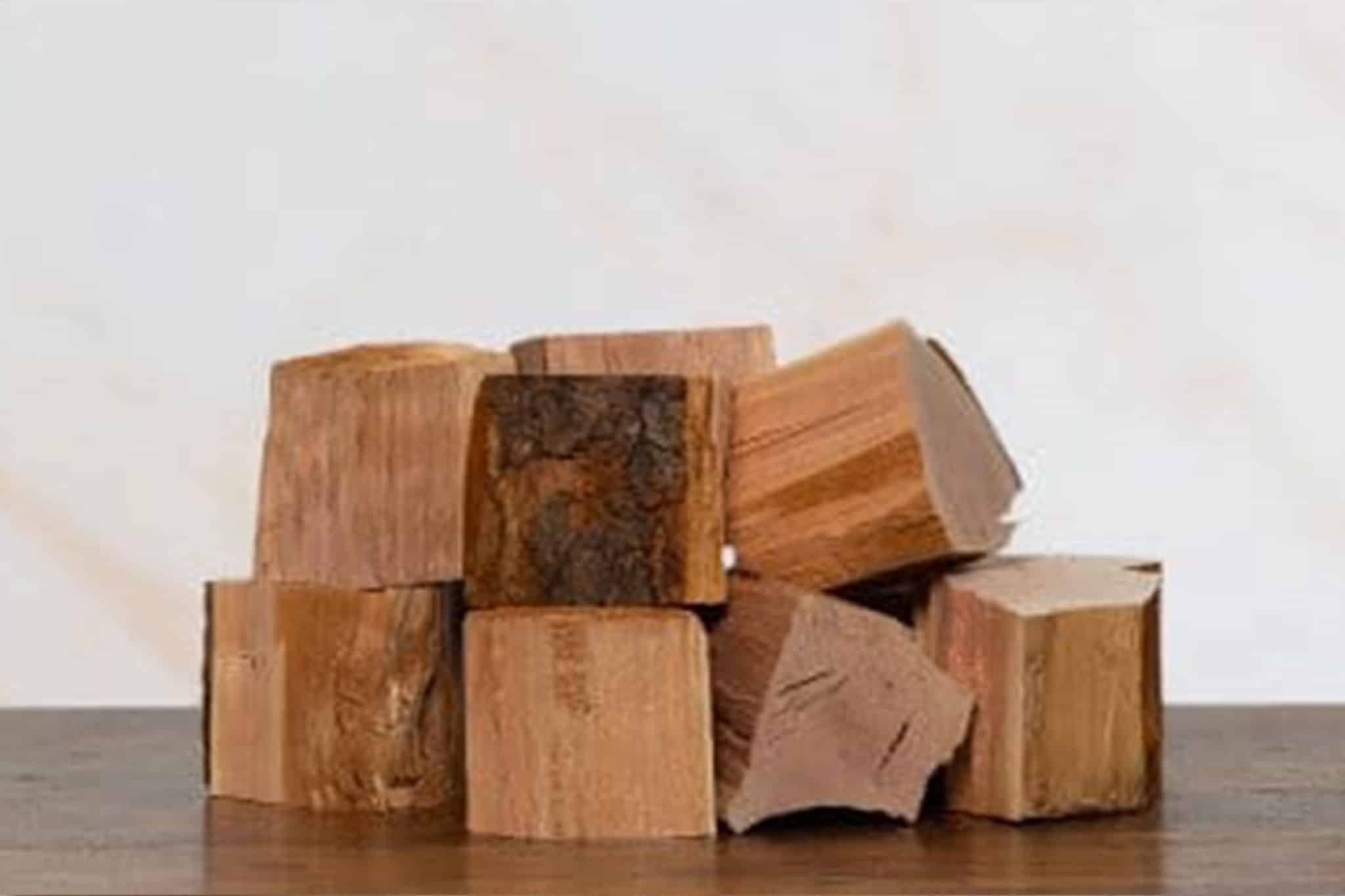
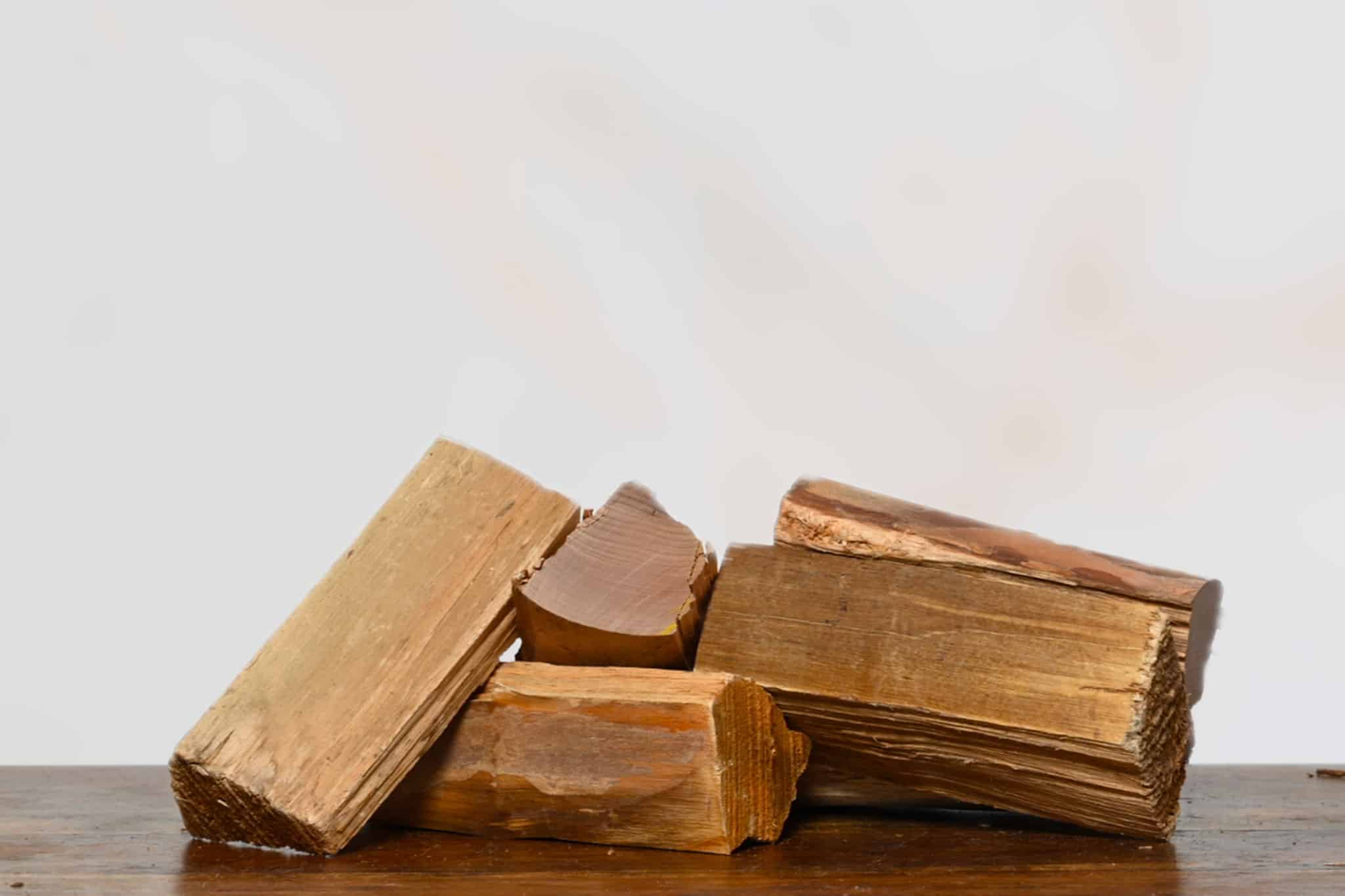
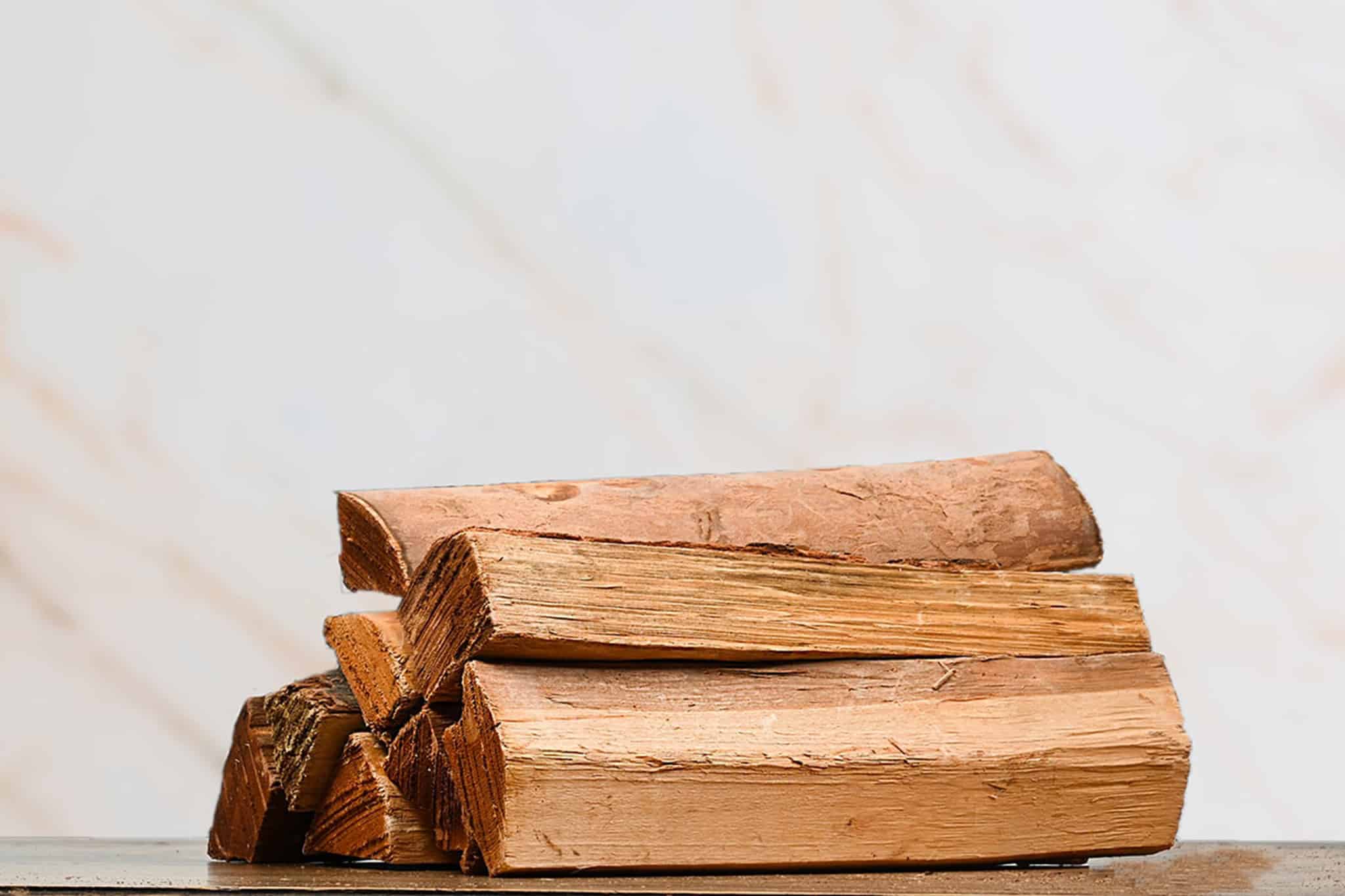
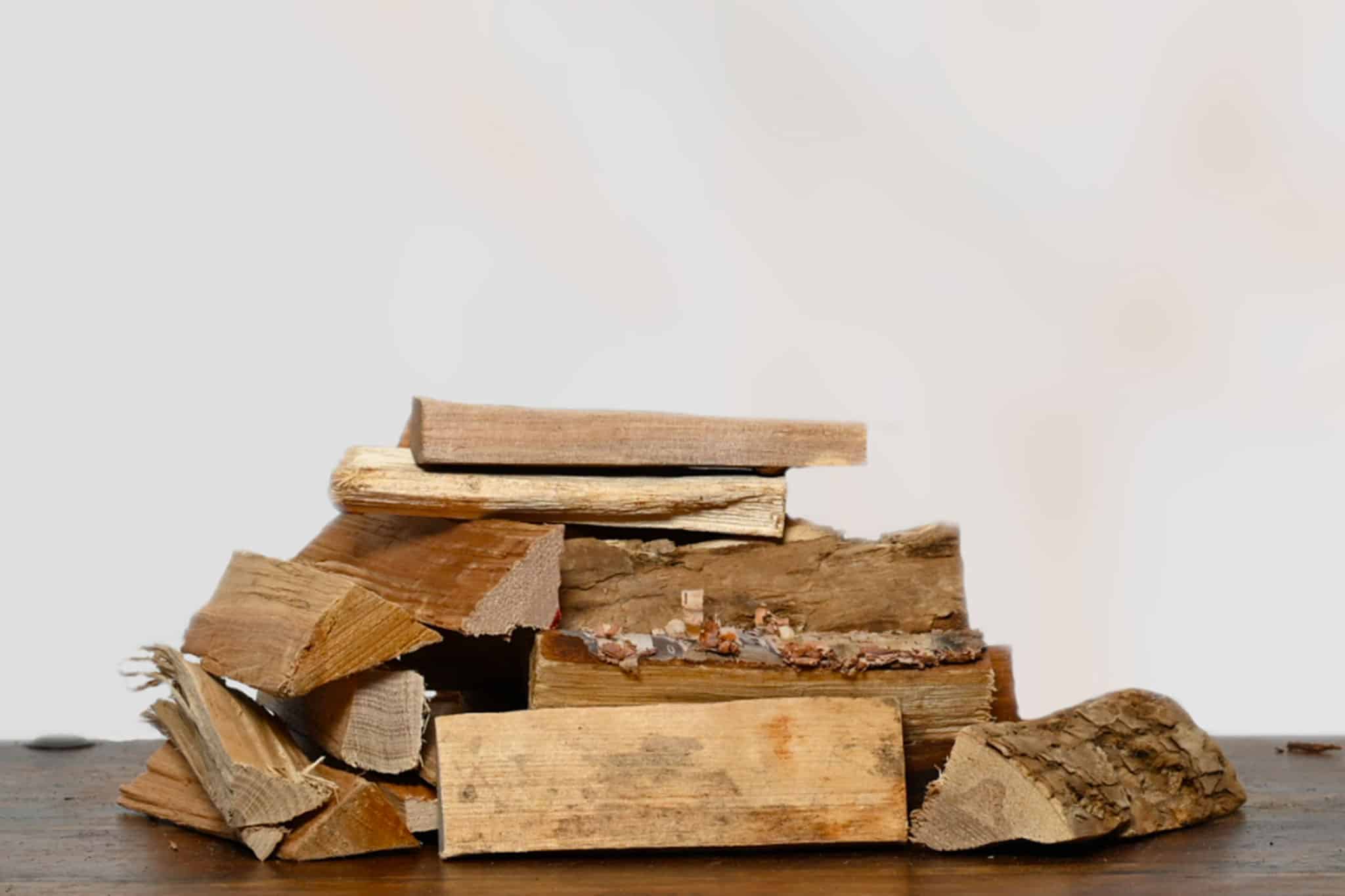
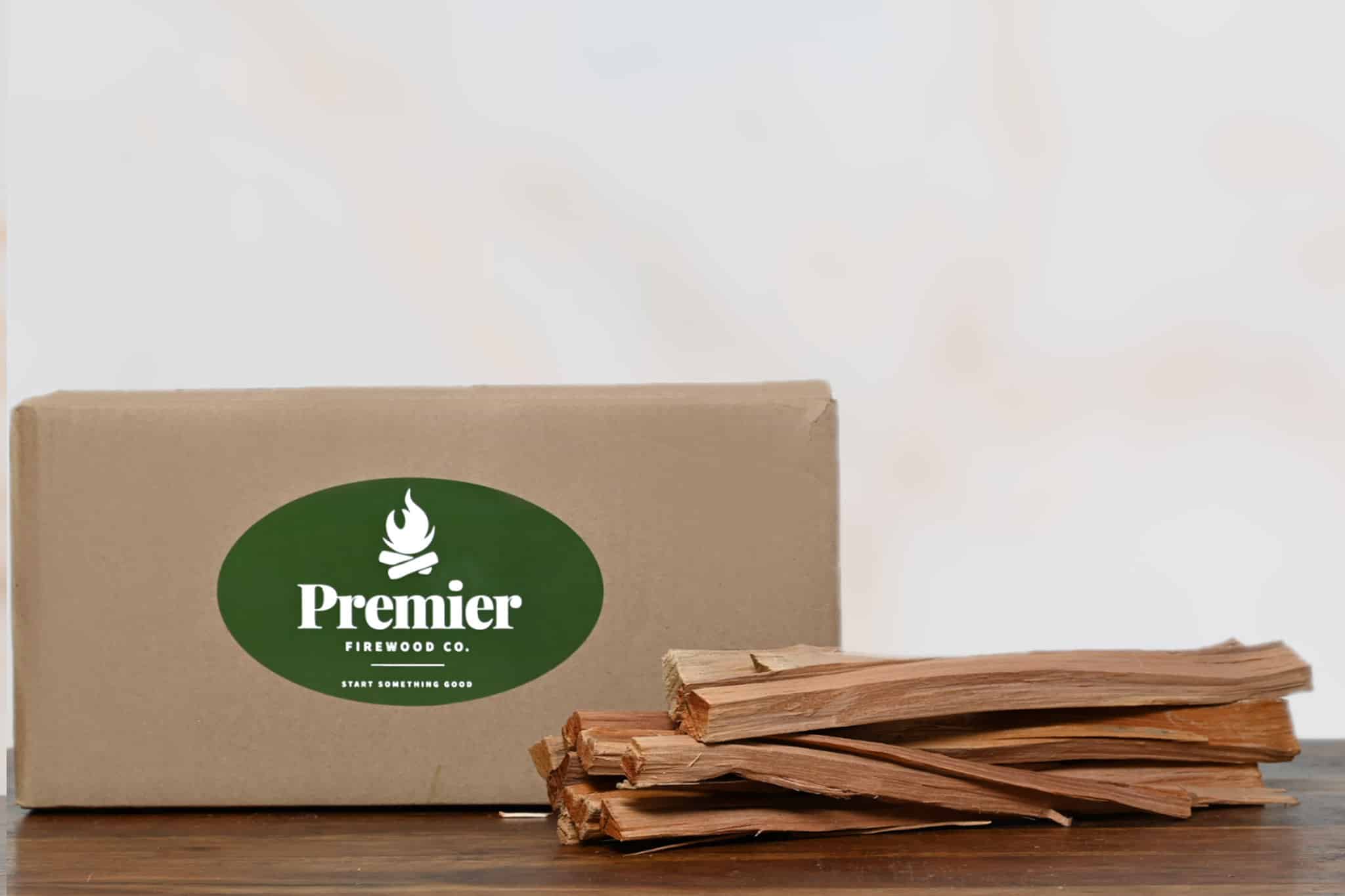
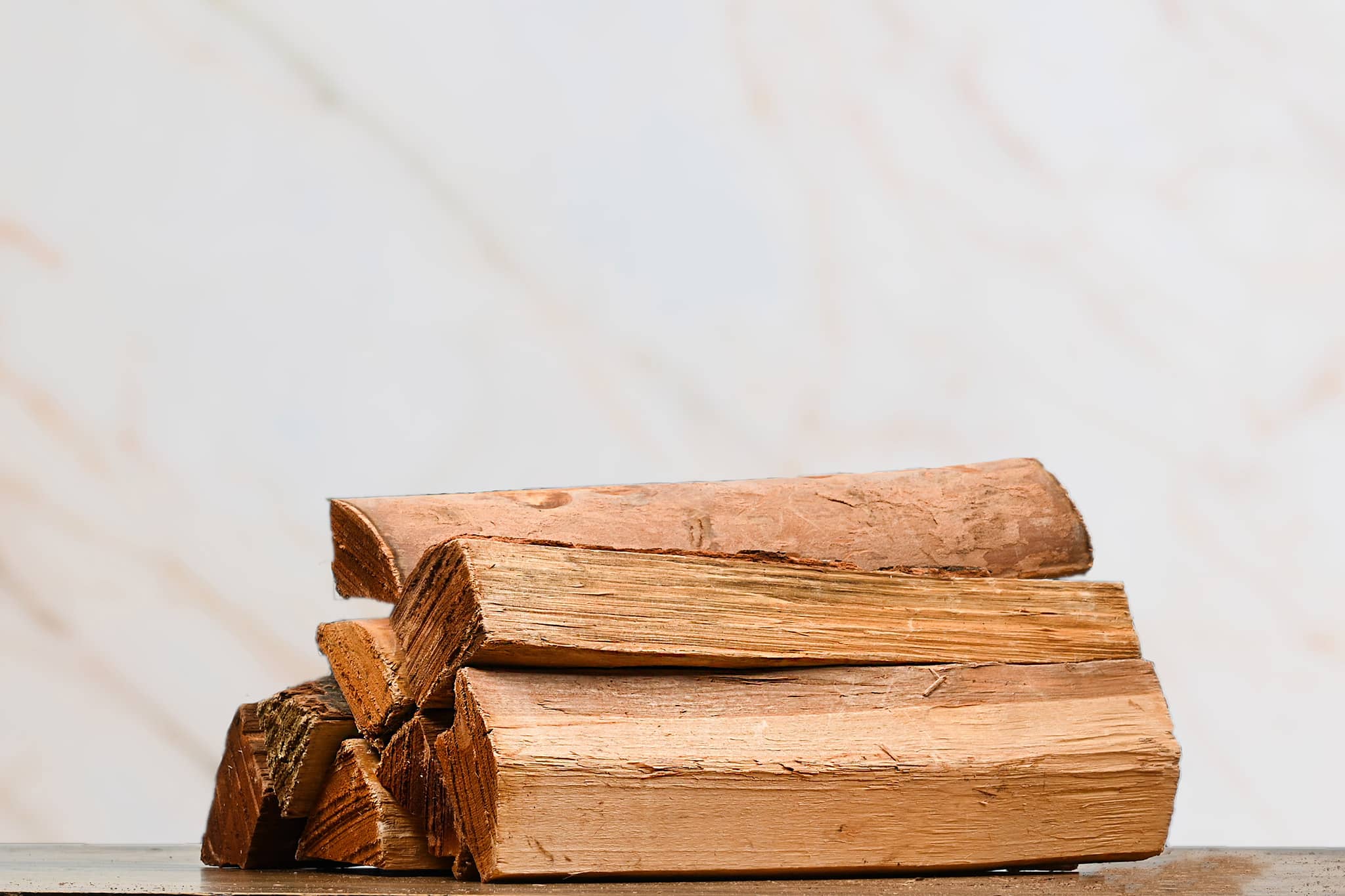
The species of wood matters here too. Oak produces a neutral, low-intensity smoke that supports toppings without competing with them. Cherry adds a subtle sweetness. Fruitwoods like apple impart a more pronounced aroma suited to lighter, gourmet-style pies. Premier Firewood Company supplies kiln-dried cooking wood for pizza ovens in multiple species, sized specifically for residential and commercial wood-fired ovens.
Premier Firewood Company delivers kiln-dried pizza wood to homes and restaurants across Fairfield County, CT and Westchester County, NY. Shop pizza wood splits or pick up at our Wilton location.
Practical differences: convenience, control, and cleanup
Temperature control
Gas wins here, and it is not close. A dial gives you instant, precise adjustments. If the oven climbs too hot, you turn it down. With a wood-fired oven, you manage temperature through fire size, wood additions, and damper position. Overshoot on a wood-fired oven and you are waiting 20 to 30 minutes for it to drop. This matters most in a restaurant context where throughput and consistency across hundreds of pizzas is the priority.
Preheat time and fuel cost
Gas ovens typically reach cooking temperature in 20 to 30 minutes. A wood-fired oven takes 45 to 60 minutes from cold. For homeowners in Greenwich or Norwalk who fire up their oven once or twice a week, that extra 30 minutes is a minor consideration. For a commercial kitchen running 6 days a week, it affects labor cost and opening schedules.
On fuel cost, kiln-dried hardwood is less expensive per BTU than propane in most Northeast markets. A cord of kiln-dried mixed hardwood delivers more usable energy than the equivalent spend on propane for the same number of cook sessions, according to USDA Forest Products Laboratory data on wood energy values.
Cleanup
Gas ovens are significantly easier to clean. No ash, no soot on the dome interior after a session. Wood-fired ovens require ash removal after each use and periodic dome cleaning. The tradeoff is that the ash and coal remnants in a wood-fired oven are also what give the floor its residual heat for the next cook session, if you fire it again within a day or two.
Which is right for you: a decision framework
Choose a wood-fired pizza oven if: you want Neapolitan-style pizza with 60 to 90 second cook times, the crust and smoke flavor are central to the experience, you are pursuing VPN certification, or a live fire is part of the ritual you enjoy. Wood-fired ovens are also the better choice for anyone cooking for a crowd in a single session, because the charged floor holds temperature across many consecutive pizzas without the recovery lag you can get in a gas oven.
Choose a gas oven if: convenience and consistent temperature control matter more than smoke flavor, you want a faster preheat, you cook in a situation with burn restrictions (common in parts of Westchester County during dry summer months), or you are just starting out and want less fire management to think about.
A third option worth noting: hybrid ovens that accept both wood and gas. These let you use gas to accelerate preheat, then introduce wood during the cook for flavor. Some commercial operators use this approach to cut preheat time by 10 to 20 minutes while still achieving the smoke character of a wood-fired cook.
Frequently asked questions
How does a wood fired pizza oven work?
A wood-fired pizza oven heats through three modes simultaneously: radiation from the dome, conduction from the stone floor charged by a coal bed, and convection from circulating hot air. The combination reaches 850 to 950F, cooking a Neapolitan pizza in 60 to 90 seconds.
Are wood fired pizza ovens worth it?
For anyone who wants authentic Neapolitan-style results or values smoke flavor in the crust, yes. The tradeoffs are longer preheat time and more fire management. For cooks who prioritize convenience and quick sessions, gas is a more practical choice.
How to use a wood fired pizza oven?
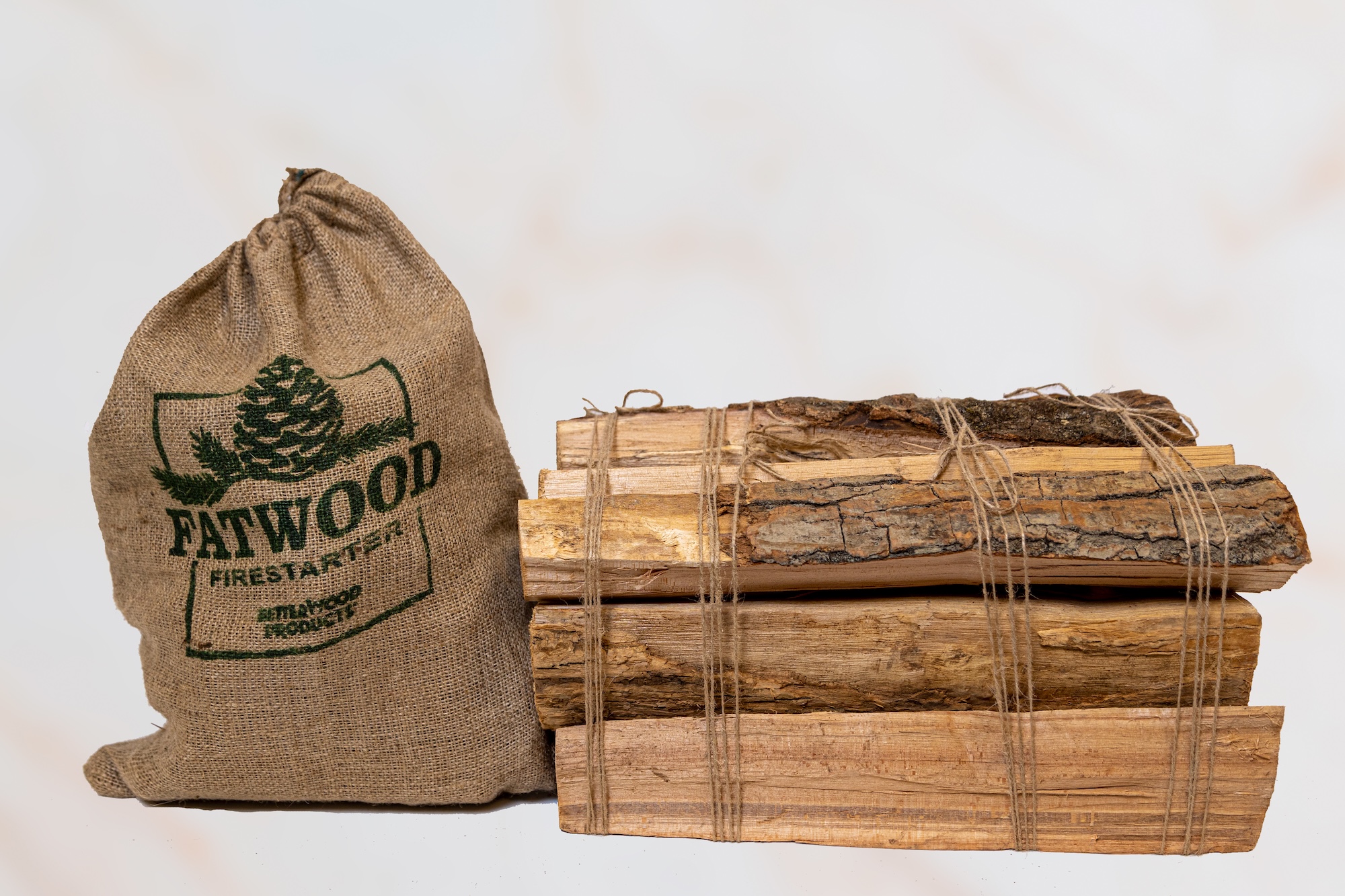
Build a small fire at the center of the hearth using fatwood and dry kindling, then build up with kiln-dried hardwood splits. Once the dome turns from black to white and the stone floor reaches 850F+, move the fire to one side and begin cooking.
What can you cook in a wood fired pizza oven?
Beyond pizza, wood-fired ovens handle bread, whole roasted fish, vegetables, and slow-cooked meats. After a pizza session, the retained heat as the oven cools is ideal for roasting at lower temperatures.
The difference between a wood fired pizza oven and gas comes down to floor heat, smoke flavor, and the ritual of the fire. If you are cooking with wood, the quality of the fuel matters as much as the oven. Premier Firewood Company supplies kiln-dried pizza-cut hardwood splits to home cooks and restaurants in Wilton, Norwalk, Greenwich, and Scarsdale. Shop pizza wood or get in touch with our team for volume and restaurant orders.