


Pizza wood sizing guide: mini splits vs. regular splits and which is right for your oven
Buying the wrong pizza wood size is one of the most common mistakes new pizza oven owners make. A 16-inch regular split will not fit a Gozney Roccbox. A handful of 6-inch mini splits placed in a large masonry hearth will burn out before the stone reaches temperature. Getting the size right is not a minor detail: it determines preheat time, temperature stability, and how much you spend per cook session. This guide maps every major oven type to the correct split size so you order the right wood the first time.
Why pizza wood split size is not interchangeable
Every wood-fired pizza oven has a firebox: the chamber where the wood sits and burns. In portable countertop ovens, that firebox is small by design, typically a fuel tray measuring 5 to 6 inches deep and 4 to 5 inches wide. A standard 16-inch firewood split will not physically fit, and even cuts that do fit partially will block airflow and prevent proper combustion.
In a large masonry or built-in oven, the firebox and cooking floor can span 30 inches or more. Mini splits in this environment burn through too quickly to build the sustained coal bed a large oven needs to reach 900F. You end up adding wood constantly, which creates temperature spikes and smoke surges rather than steady radiant heat.
Beyond fit, diameter matters for heat management. Thicker splits (2 to 3 inches diameter) burn longer and build denser coals. Thinner splits (1 to 1.5 inches) ignite faster and reach peak combustion sooner, which is exactly what a small portable oven needs during startup. Using thick splits in a small oven is like running a Formula 1 engine in a go-kart chassis: the power is there but the format is wrong.
Pizza wood size by oven type: a complete guide
Use the table below to match your oven to the correct Premier Firewood split. Oven floor diameter is the most reliable sizing metric: when in doubt, measure the internal cooking surface diameter rather than the external oven dimensions.
Pizza wood size guide by oven model and floor diameter:
| Oven type | Floor diameter | Split size | Premier SKU |
| Portable: Ooni Karu 12, Gozney Roccbox, Solo Stove Pi | Under 13″ | 6″ mini splits | Mini Pizza Splits |
| Mid-size: Ooni Karu 16, Gozney Dome, Ooni Pro 16 | 13-20″ | 6-8″ splits | Mini Pizza Splits |
| Large built-in: Forno Bravo, Mara Forni, Fiero Casa | Over 20″ | 16″ regular splits | Regular Pizza Splits |
| Commercial: restaurant deck ovens, masonry hearths | 26″+ | 16″ regular splits | Regular Pizza Splits |
One clarification on mid-size ovens: the Gozney Dome and Ooni Karu 16 sit between the portable and large categories. Both work well with mini splits, but experienced users running extended cook sessions sometimes prefer the slightly longer burn time of an 8-inch split. Premier’s mini splits at 6 inches are the safer default for either model.
Mini pizza splits: what they are and when to use them
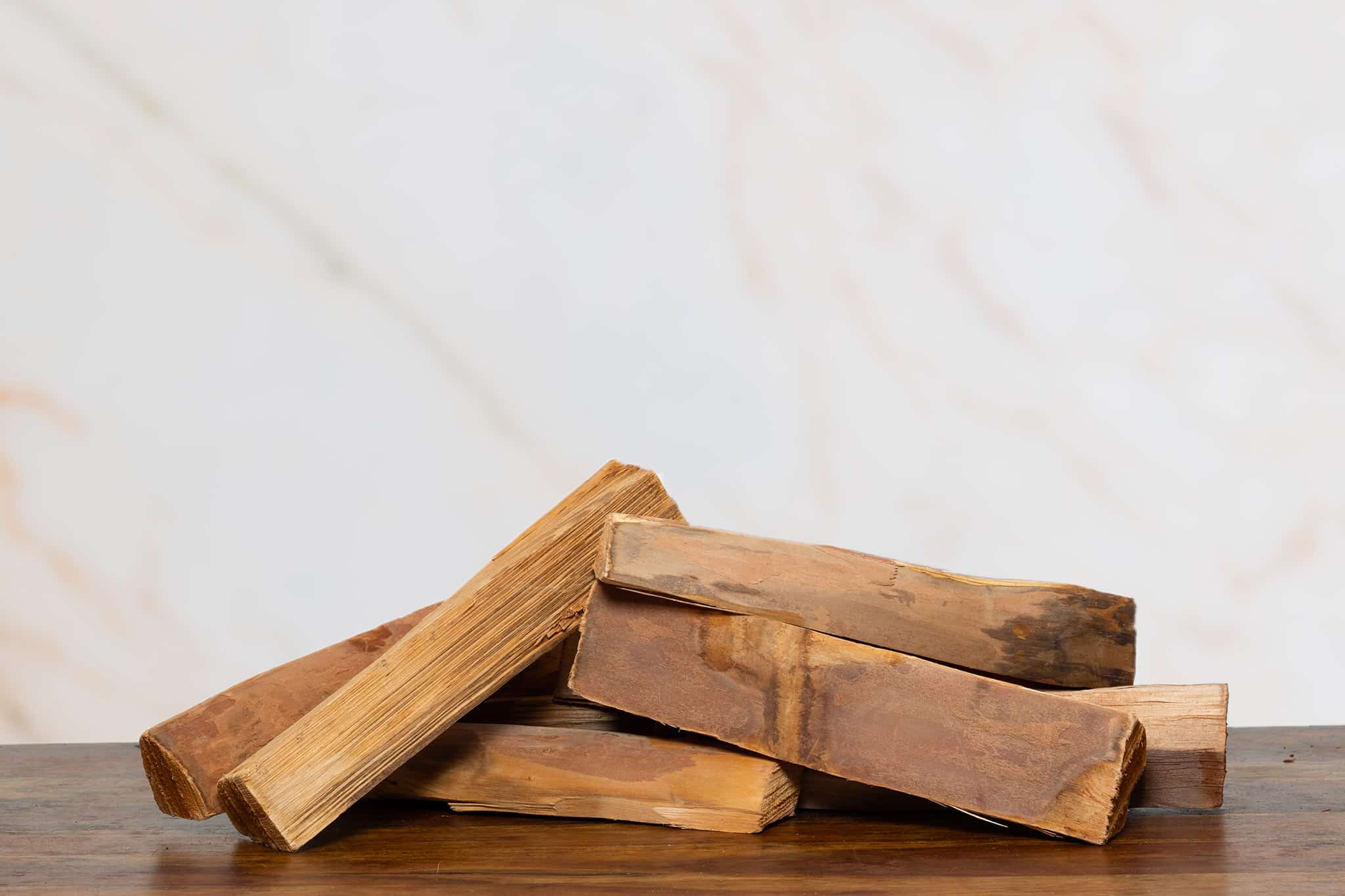
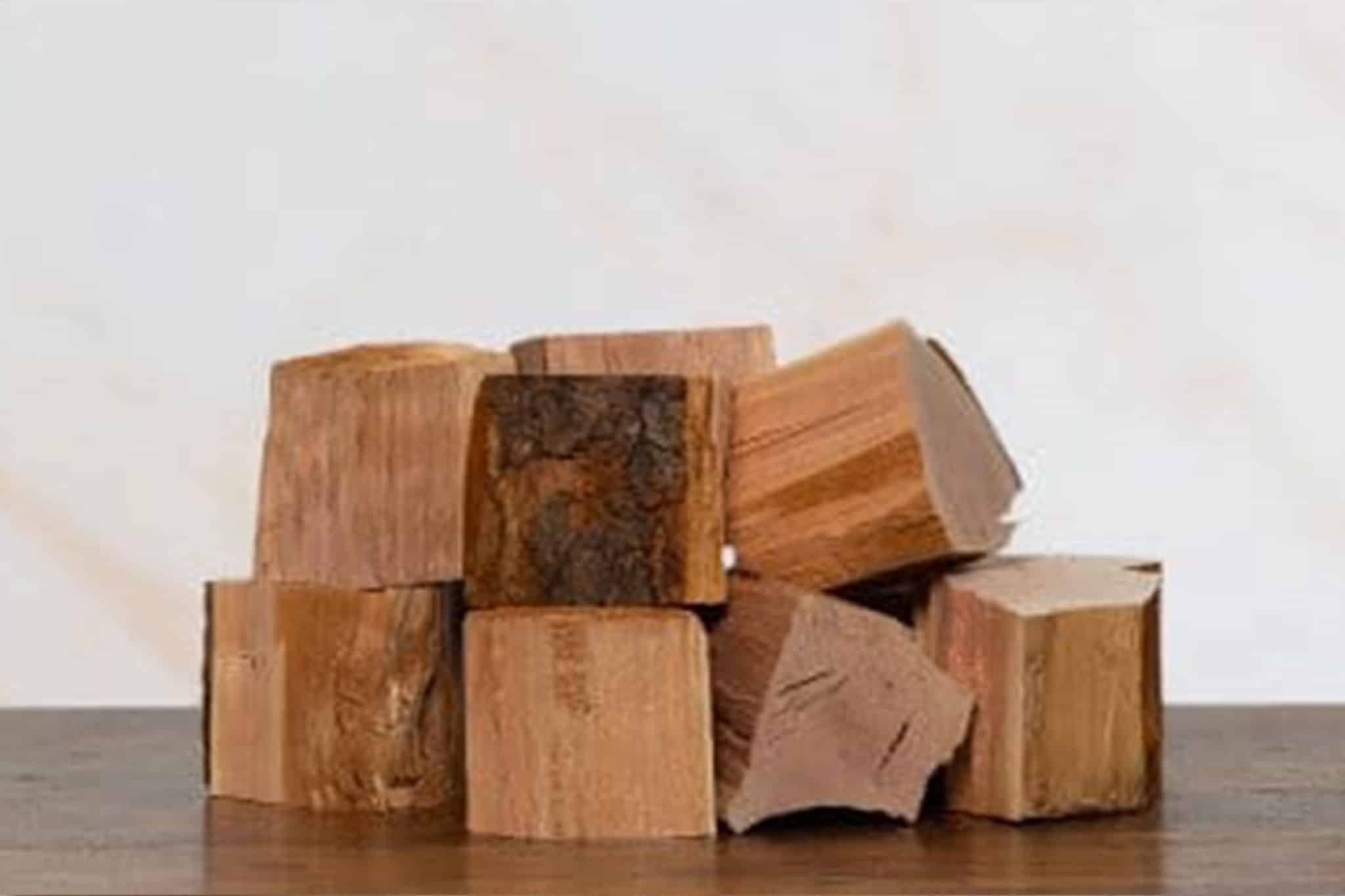
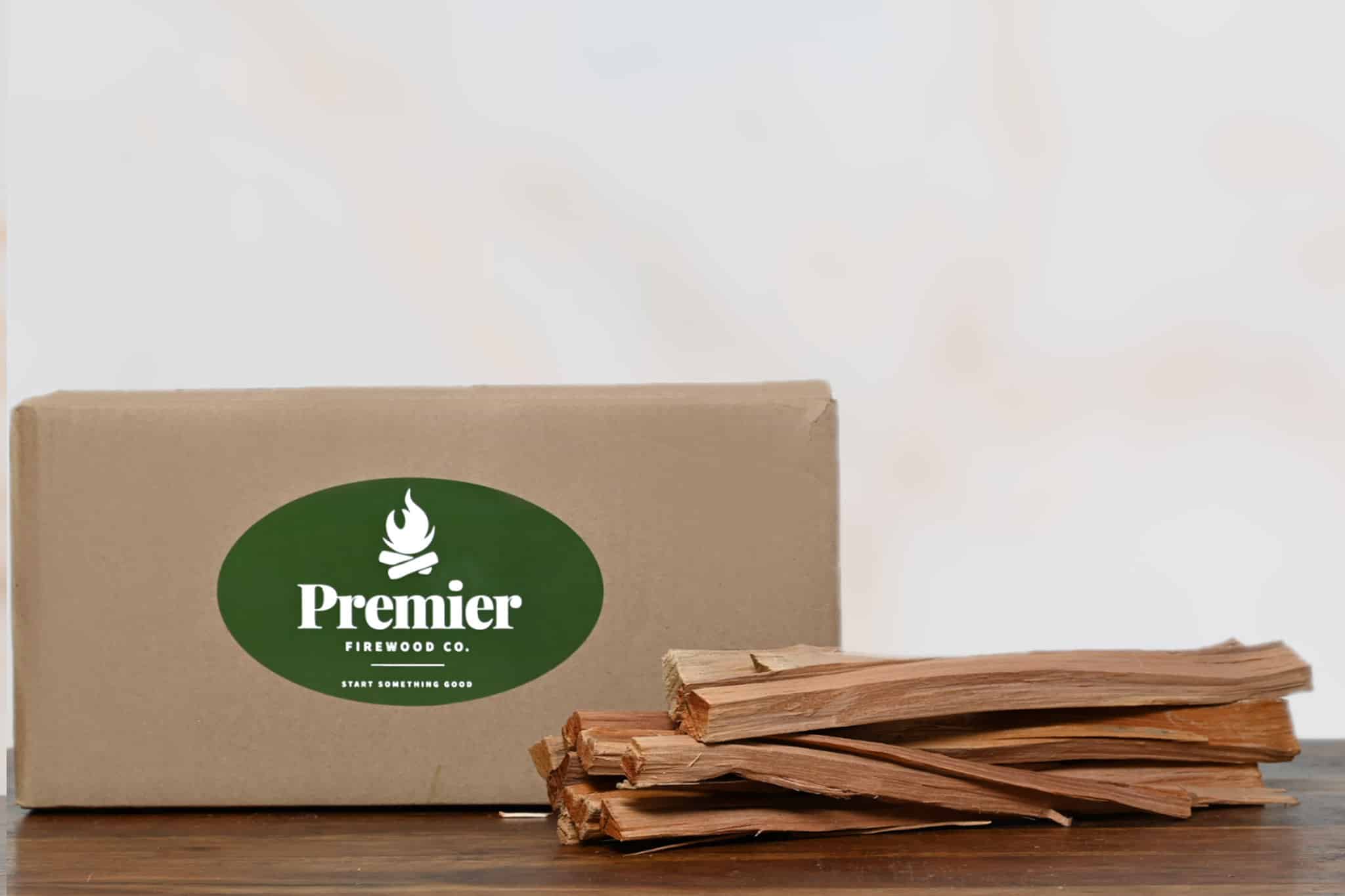
Premier’s mini pizza splits are cut to approximately 6 inches in length with a diameter of 1 to 1.5 inches. They are kiln-dried to 10 to 15% moisture content from a northeast hardwood blend: the same species and drying standard as the regular splits, reduced to a format that fits portable and mid-size pizza oven fireboxes.
Best for
Ooni Karu 12 and Karu 16, Gozney Roccbox and Dome, Solo Stove Pi, Bertello ovens, and any portable or countertop pizza oven with an internal floor diameter under 20 inches. Also ideal as kindling-scale fuel for larger ovens during the startup phase, before transitioning to regular splits once the fire is established.
How many do you need?
A box of Premier mini splits covers approximately 15 to 20 pizzas when used efficiently: 6 to 8 splits for preheat, then 1 to 2 splits every 10 to 15 minutes during the cook session. For a typical Fairfield County pizza night with 12 to 15 pizzas, one box is the right order. For a longer session or a larger gathering, order two.
Startup sequence with mini splits
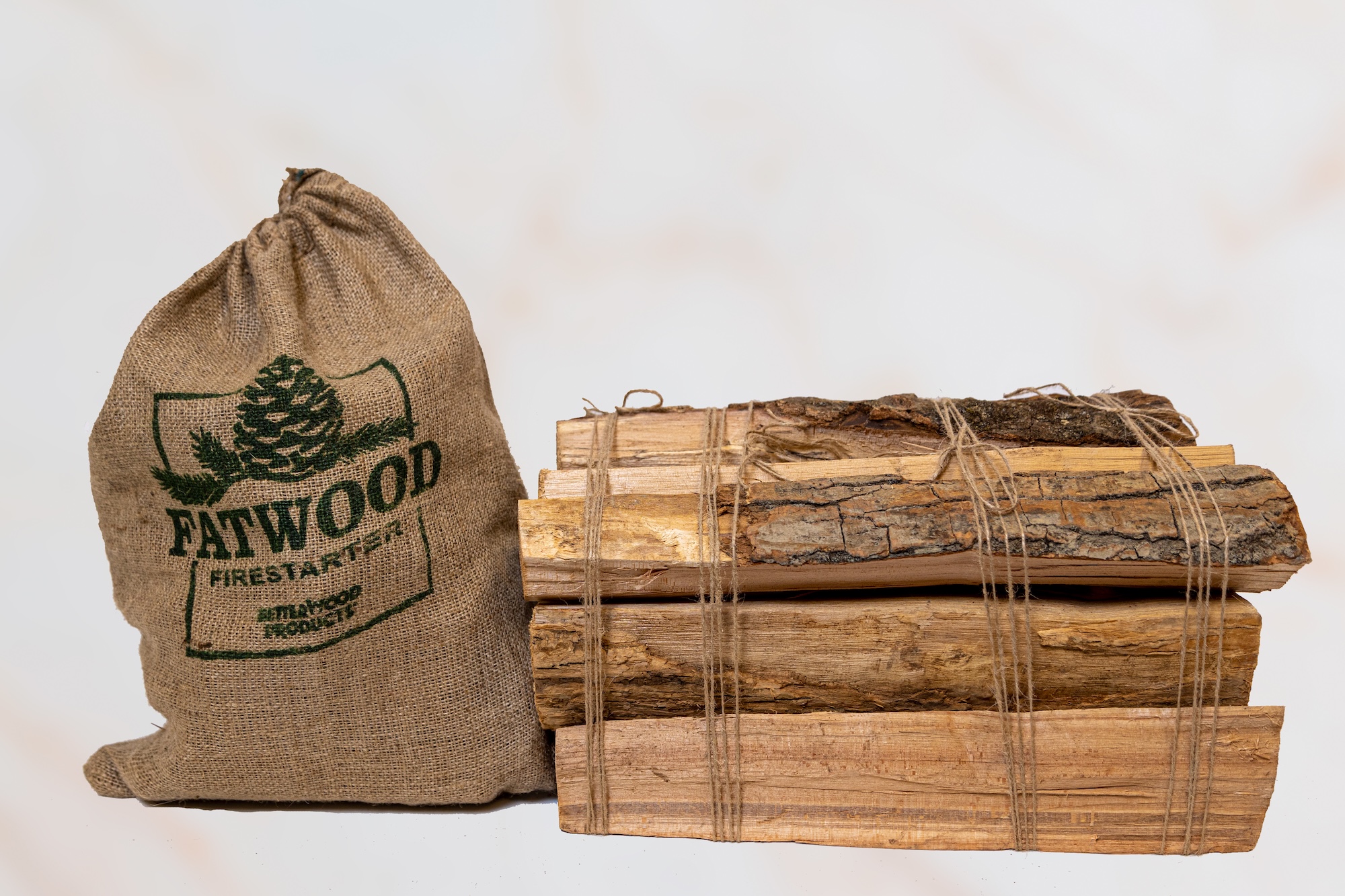
Place 2 to 3 fatwood starters in the firebox tray. Stack 4 mini splits over the fatwood in a loose cross pattern with space between each piece. Light the fatwood and leave the fuel door open for the first 5 minutes. Once the splits are burning actively, add 2 more and close the door to build heat toward the dome. Preheat to 750F floor temperature before launching the first pizza, which takes 20 to 25 minutes with properly kiln-dried wood.
Premier Firewood Company delivers kiln-dried mini pizza splits to homes and restaurants across Fairfield County, CT and Westchester County, NY. Order mini pizza splits with free delivery or pick up at our Wilton location.
Regular pizza splits: what they are and when to use them
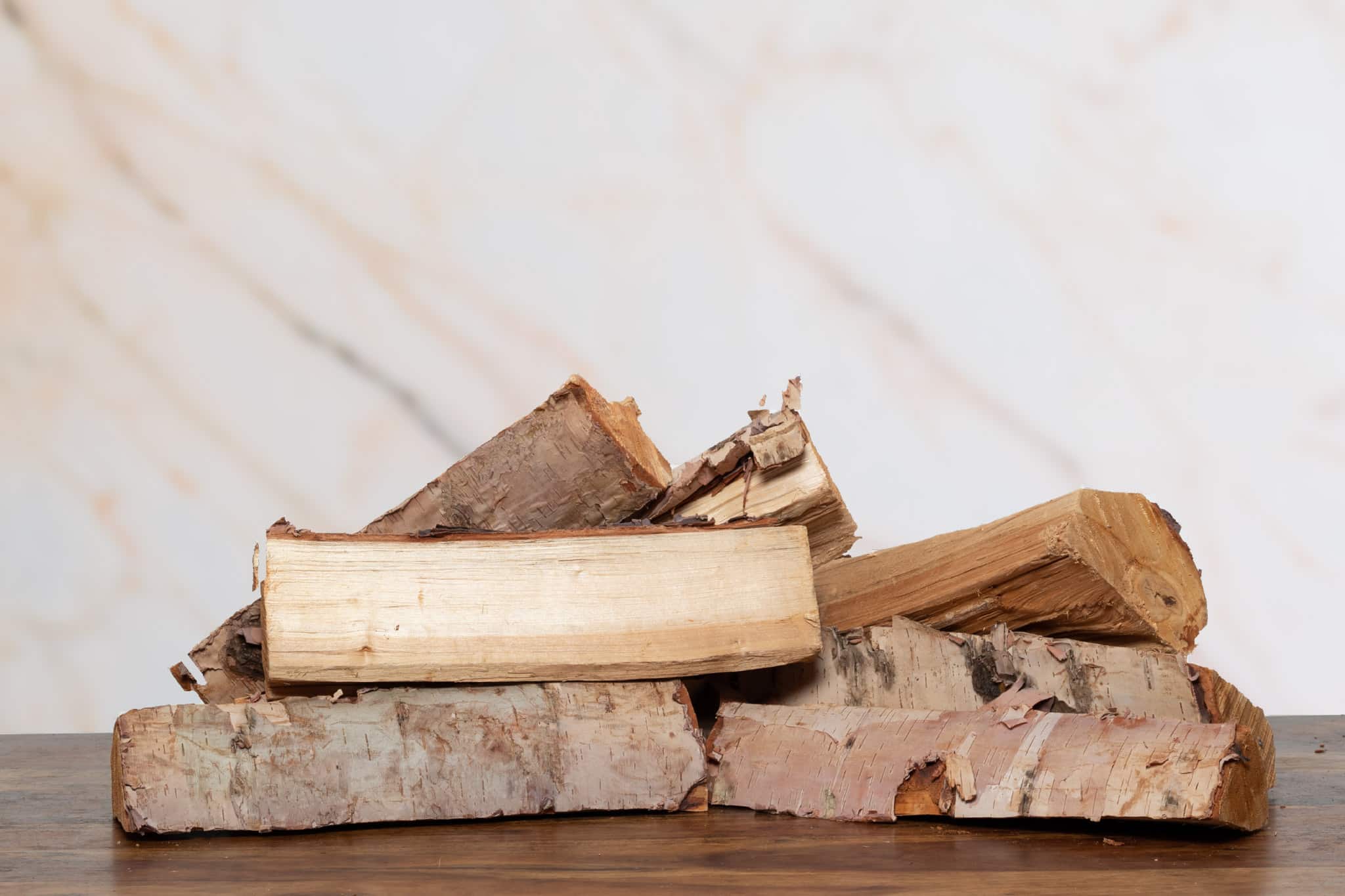
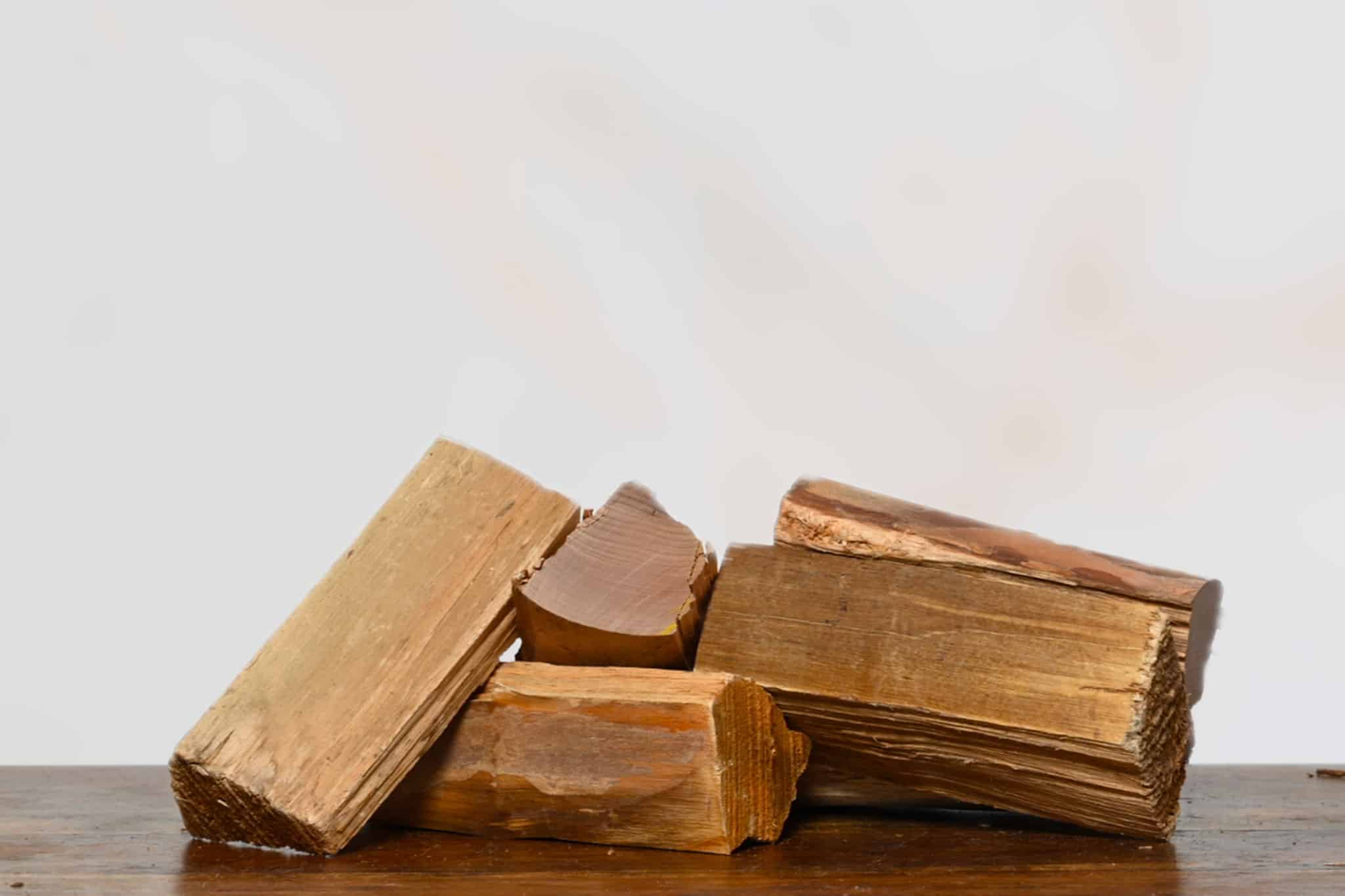
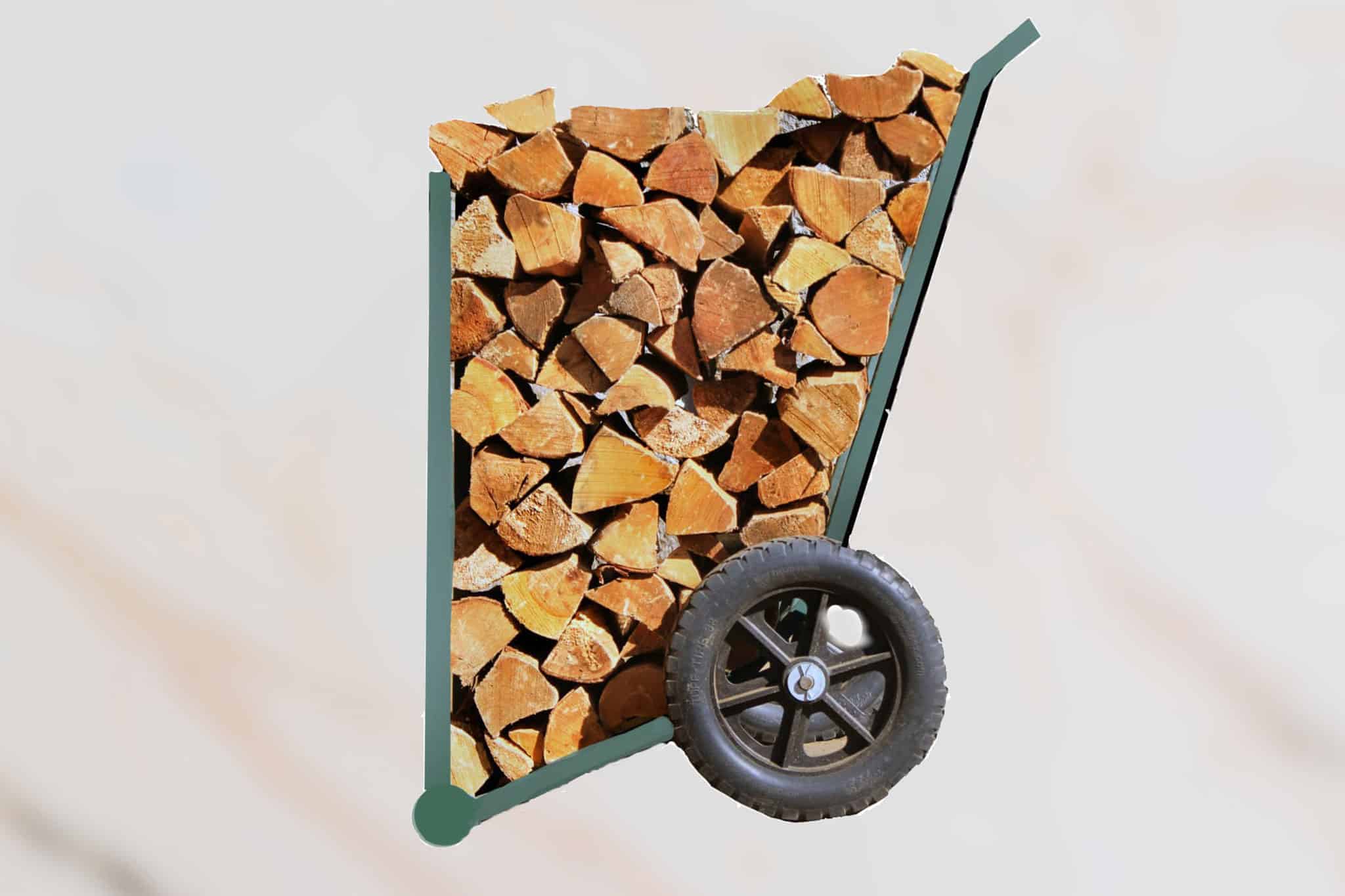
Premier’s regular pizza splits are cut to approximately 16 inches in length with a diameter of 2 to 3 inches. Each box contains enough wood for 25 to 30 pizzas. This is the same wood supplied to some of the most respected wood-fired pizzerias and restaurants in the Northeast, now available for residential customers with large built-in ovens or commercial-grade setups.
Best for
Commercial masonry ovens, large built-in residential hearths, Forno Bravo and Mara Forni residential units, and any oven with an internal floor diameter above 20 inches. Also used by Westchester County and NYC restaurants that run wood-fired ovens for full dinner service and need a sustained coal bed across 50 or more pizzas per session.
How many do you need?
For a residential large-format oven running a pizza party of 20 to 30 pizzas, one box of regular splits is sufficient. For commercial restaurant service, volume ordering by the rack is more cost-effective. Premier offers bulk and restaurant delivery options for Fairfield County and Westchester County accounts.
Startup sequence with regular splits
Build a fatwood and kindling fire at the center of the hearth floor. Add 3 to 4 regular splits in a loose stack once the kindling is burning. Keep the fire central during the 45 to 60 minute preheat to charge the dome and floor evenly. Once the dome turns white and the floor reads 800 to 900F on an infrared thermometer, move the coal bed to the rear or side and begin cooking. Add one regular split every 15 to 20 minutes to sustain temperature across the session.
Why kiln-dried pizza wood outperforms seasoned wood regardless of size
Split size determines whether the wood fits the oven. Moisture content determines how well it performs once it is in there.
Seasoned firewood that has been air-dried for 6 to 12 months can still carry 20 to 25% moisture content, especially in the Northeast where damp winters slow the drying process. At that moisture level, a meaningful share of the fire’s heat goes toward evaporating water rather than charging the stone. Preheat takes longer, smoke output is higher, and temperature recovery between pizzas is slower.
Premier’s kiln-dried hardwood firewood is processed to 10 to 15% moisture content in controlled kiln conditions, not guessed at by how long the wood has sat outdoors. The result is wood that lights faster, burns hotter, and produces less smoke per BTU of heat delivered. For pizza ovens that need to hit 900F within 30 minutes of the first match, the difference is significant.
This applies equally to mini splits and regular splits. Both Premier products are dried to the same moisture standard. The size changes. The quality does not.
Frequently asked questions
What size wood do I need for an Ooni pizza oven?
The Ooni Karu 12 and Karu 16 both use mini pizza splits: approximately 6 inches long and 1 to 1.5 inches in diameter. Standard firewood splits will not fit the Karu fuel tray. Premier’s mini pizza splits are sized specifically for Ooni wood-burning models, as well as the Gozney Roccbox and Dome, Solo Stove Pi, and similar portable ovens.
How much pizza wood do I need for a pizza party?
For a portable oven cooking 12 to 15 pizzas, one box of mini splits (roughly 15 to 20 pizzas worth) is sufficient. For a large built-in oven cooking 25 to 30 pizzas, one box of regular splits covers the session. For larger events or restaurant service, Premier offers bulk ordering with delivery to Fairfield County CT, Westchester County NY, and NYC.
Can I use regular firewood in a pizza oven?
You can use regular firewood in a large built-in pizza oven, provided it is kiln-dried hardwood cut to an appropriate length. The problem with standard firewood in most residential pizza ovens is size: 16 to 18 inch splits do not fit portable ovens, and even in large ovens, untreated or air-dried wood with high moisture content slows preheat and increases smoke. Purpose-cut pizza splits sized to your oven’s firebox and kiln-dried to under 20% moisture are always the better choice.
How do I store pizza wood between uses?
Kiln-dried pizza splits should be stored indoors or in a covered, ventilated area to maintain their low moisture content. Premier’s wood arrives already at 10 to 15% moisture: storing it outside exposed to rain or snow will reverse that advantage over time. A garage, shed, or covered rack on a covered porch all work well. Do not store directly on concrete without a rack, as the wood will absorb ground moisture from below.
Ordering the right pizza wood comes down to one measurement: your oven’s internal floor diameter. Under 20 inches, order mini splits. Over 20 inches, order regular splits. Either way, Premier Firewood Company ships kiln-dried hardwood pizza wood to homes and restaurants in Greenwich, Norwalk, Wilton, and Scarsdale, with nationwide shipping also available. Shop pizza wood or get in touch with our team for restaurant volume pricing.