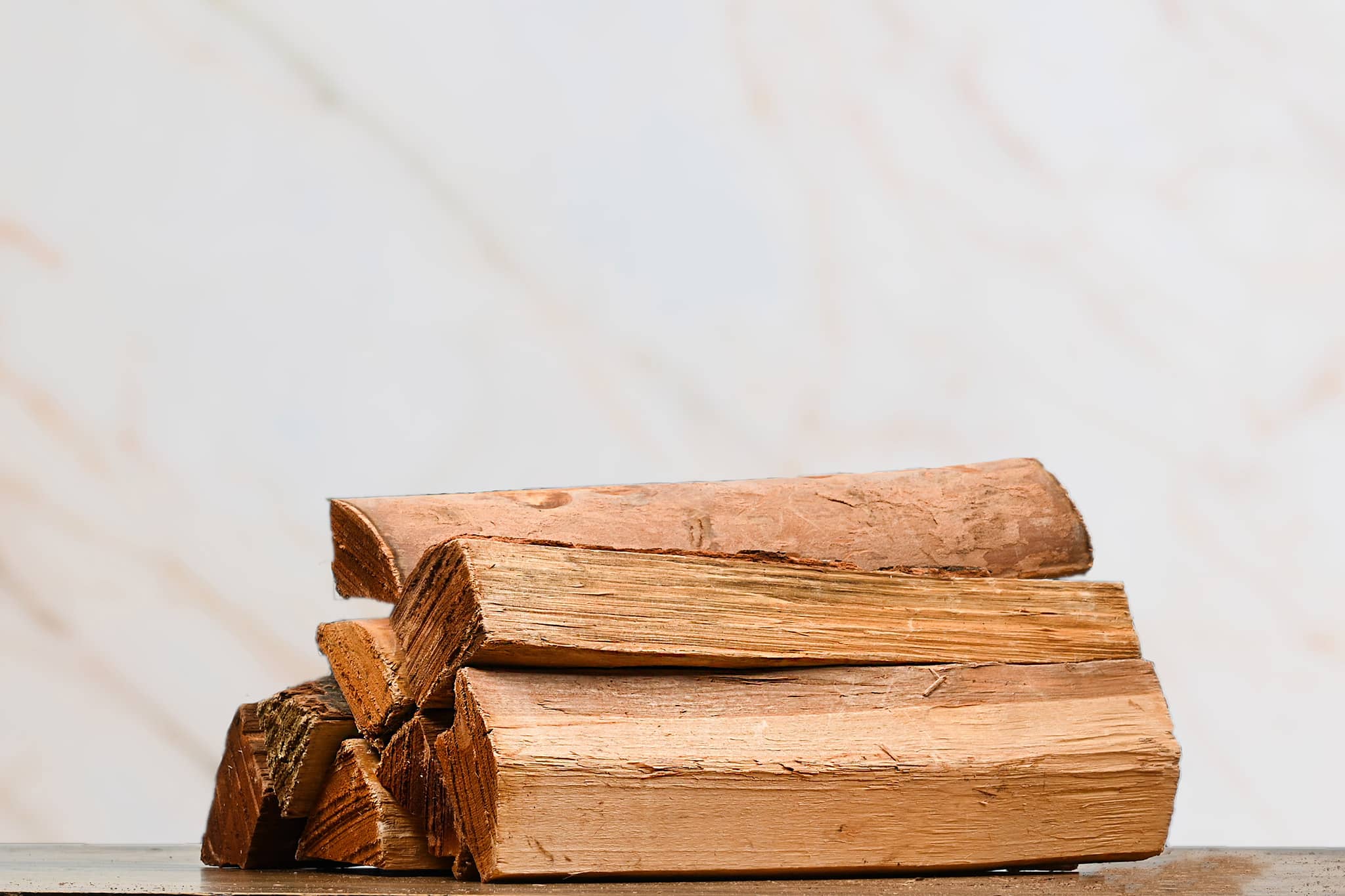


Best pizza oven wood: why oak and hardwoods make the perfect crust
Oak is the best pizza oven wood for one simple reason: it sustains temperatures above 900 degrees Fahrenheit long enough to blister a crust in 90 seconds. When Fairfield County homeowners and restaurateurs ask us what pizza oven wood to use, the answer starts with oak and ends with the moisture content of what you buy. This guide covers both.
Why pizza oven wood matters more than most people think
A wood-fired pizza oven does something a gas oven cannot. When hardwood combusts, it releases volatile aromatic compounds that penetrate the crust during those brief, high-heat seconds of the cook. The char on the bottom, the faint smokiness in the cornicione, the depth of flavor in the sauce: these come directly from the wood.
Research from the USDA Forest Products Laboratory shows that hardwoods produce significantly more energy per cord than softwoods, with lower moisture content directly improving combustion efficiency. For pizza ovens running at Neapolitan temperatures, that difference is not theoretical. It shows up on the crust.
Gas ovens produce consistent, clean heat. Wood-fired ovens produce consistent, clean heat plus flavor. That is the entire argument for using the right pizza oven wood.
The best pizza oven wood by species
Premier Firewood Company supplies cooking wood for pizza and wood-fired ovens to restaurants and home cooks across Connecticut and New York. These are the species we recommend, in order of performance.
Oak: the benchmark for heat and neutral smoke
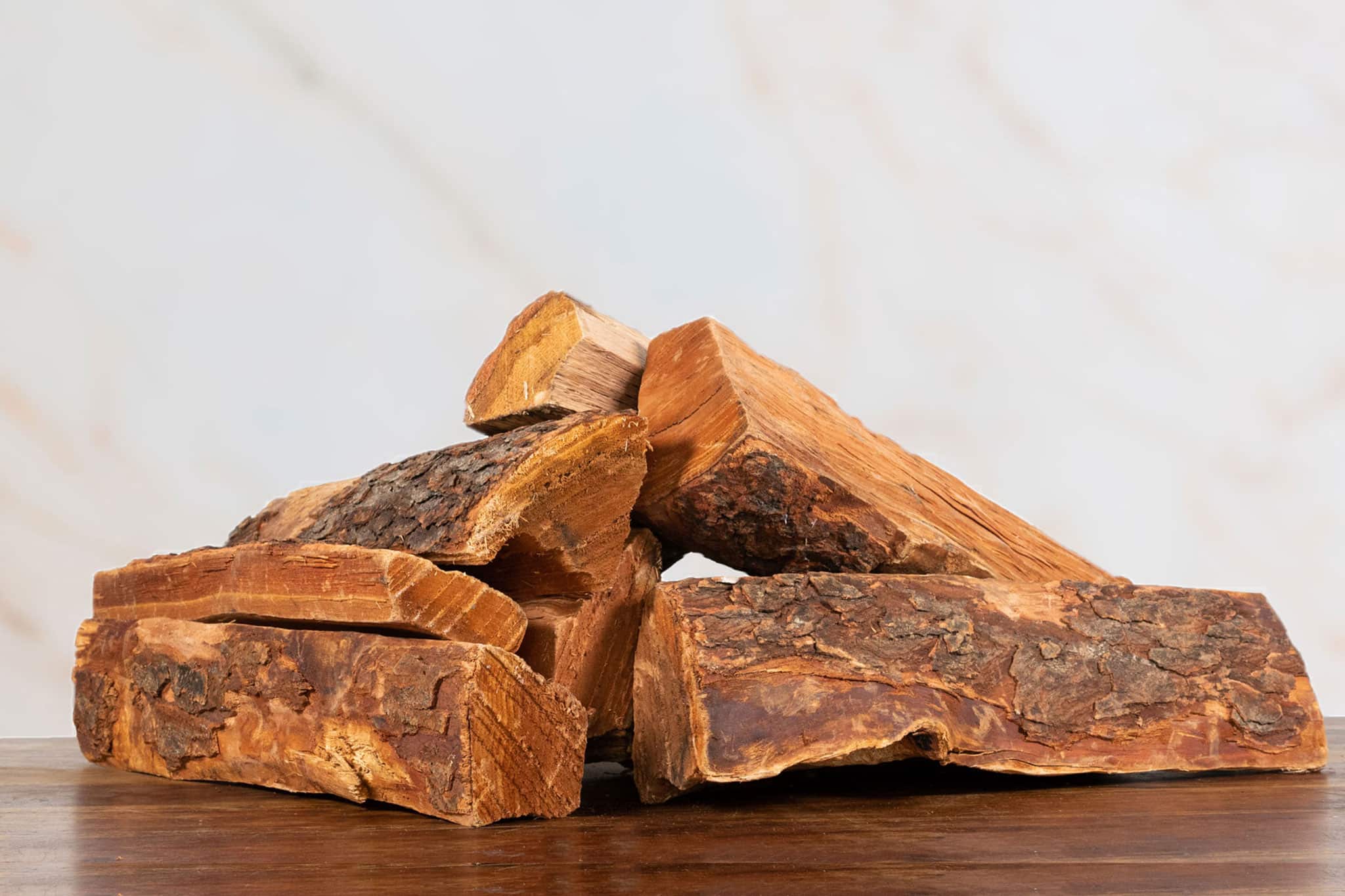
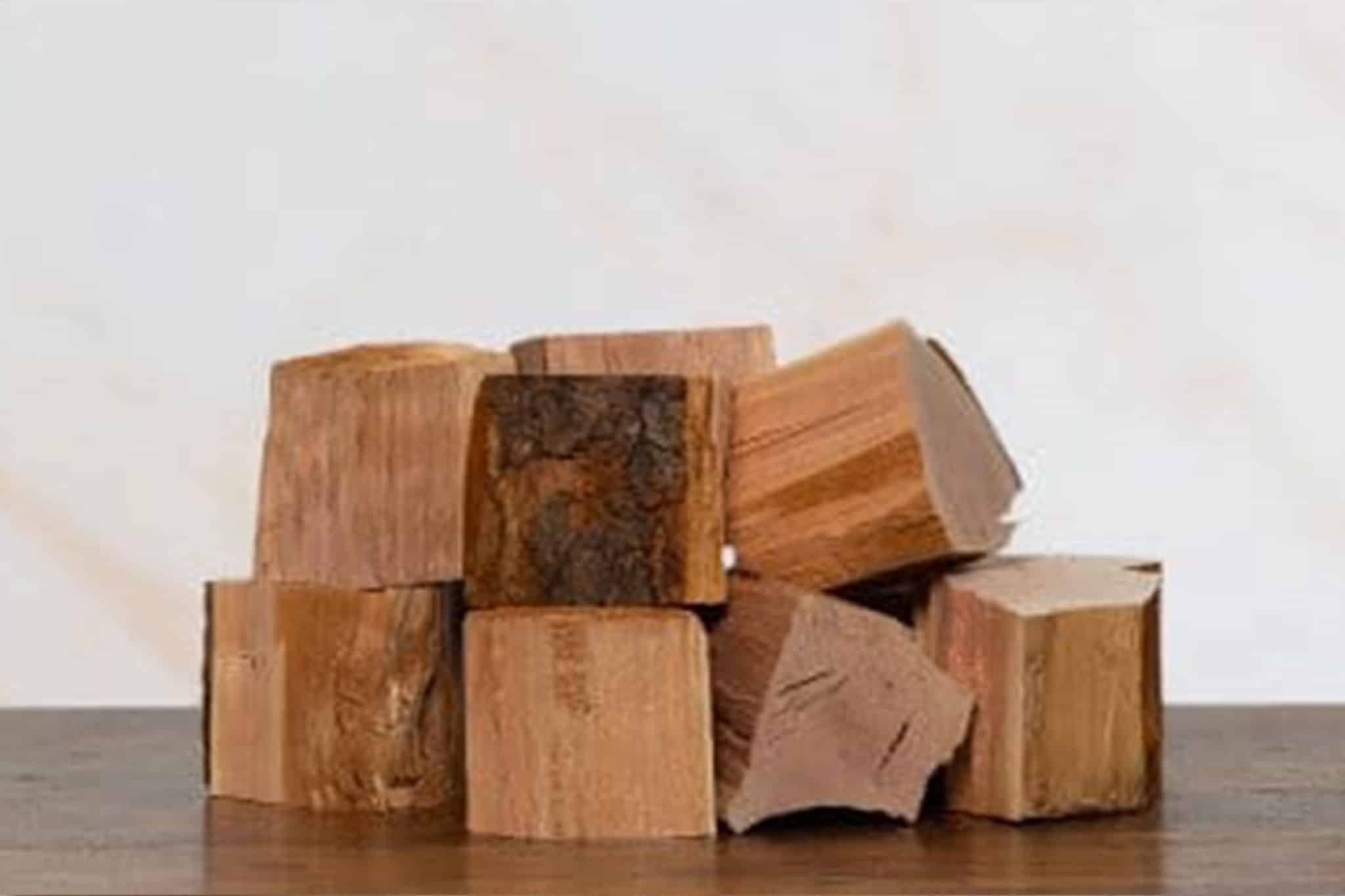
Oak is the standard against which every other pizza oven wood gets measured. It burns at sustained high temperatures, produces a dense coal bed that holds heat between pizzas, and adds a neutral smoke that supports rather than competes with toppings. For Neapolitan-style pizza at 850 to 950 degrees Fahrenheit, kiln-dried oak is the right starting point.
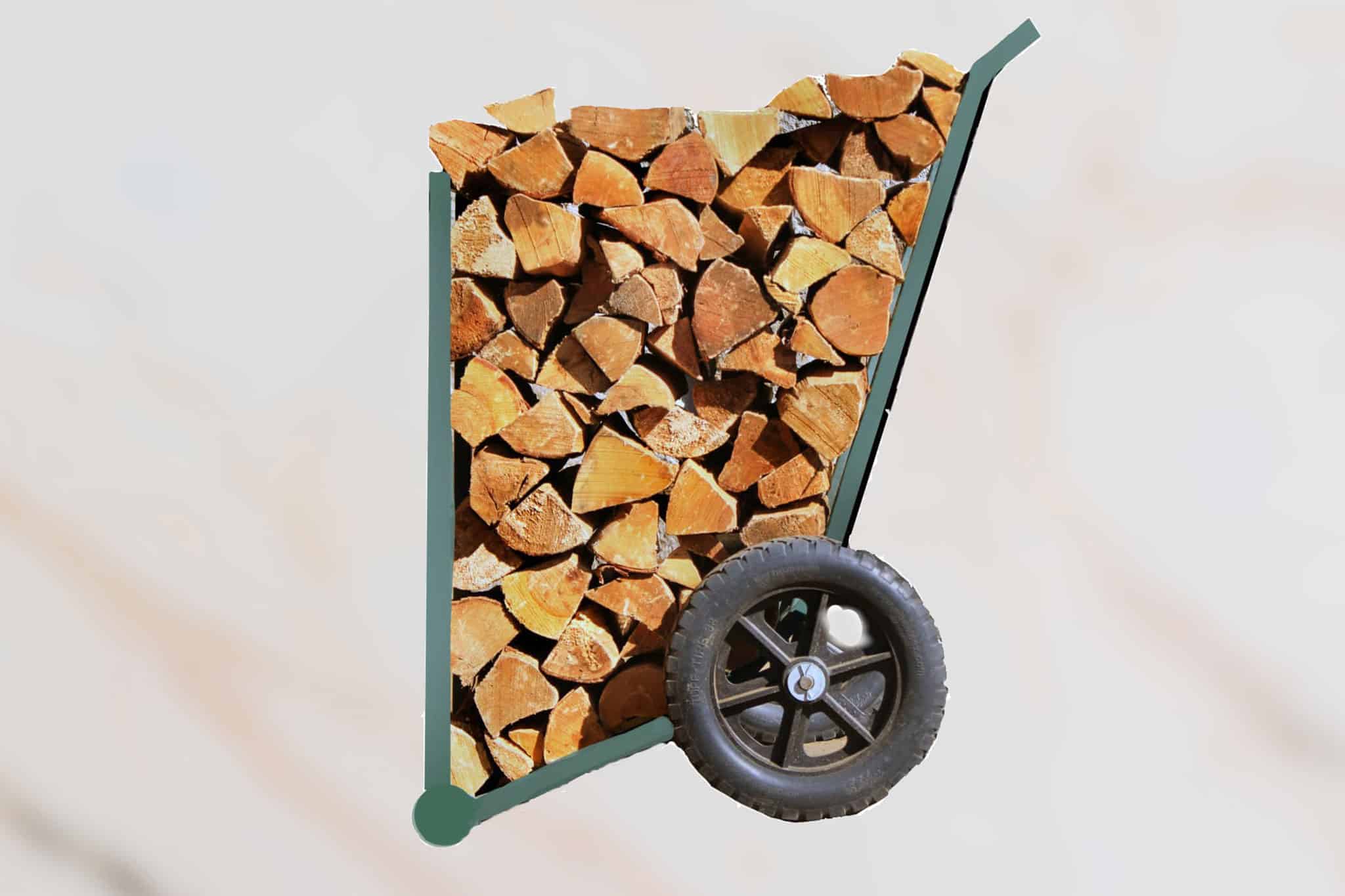
Premier sells 100% mixed hardwood including oak as its primary cooking wood product. It arrives kiln-dried to 10 to 15% moisture content, which means it lights fast, burns clean, and produces minimal smoke compared to seasoned wood.
Cherry: aromatic, mild, and versatile
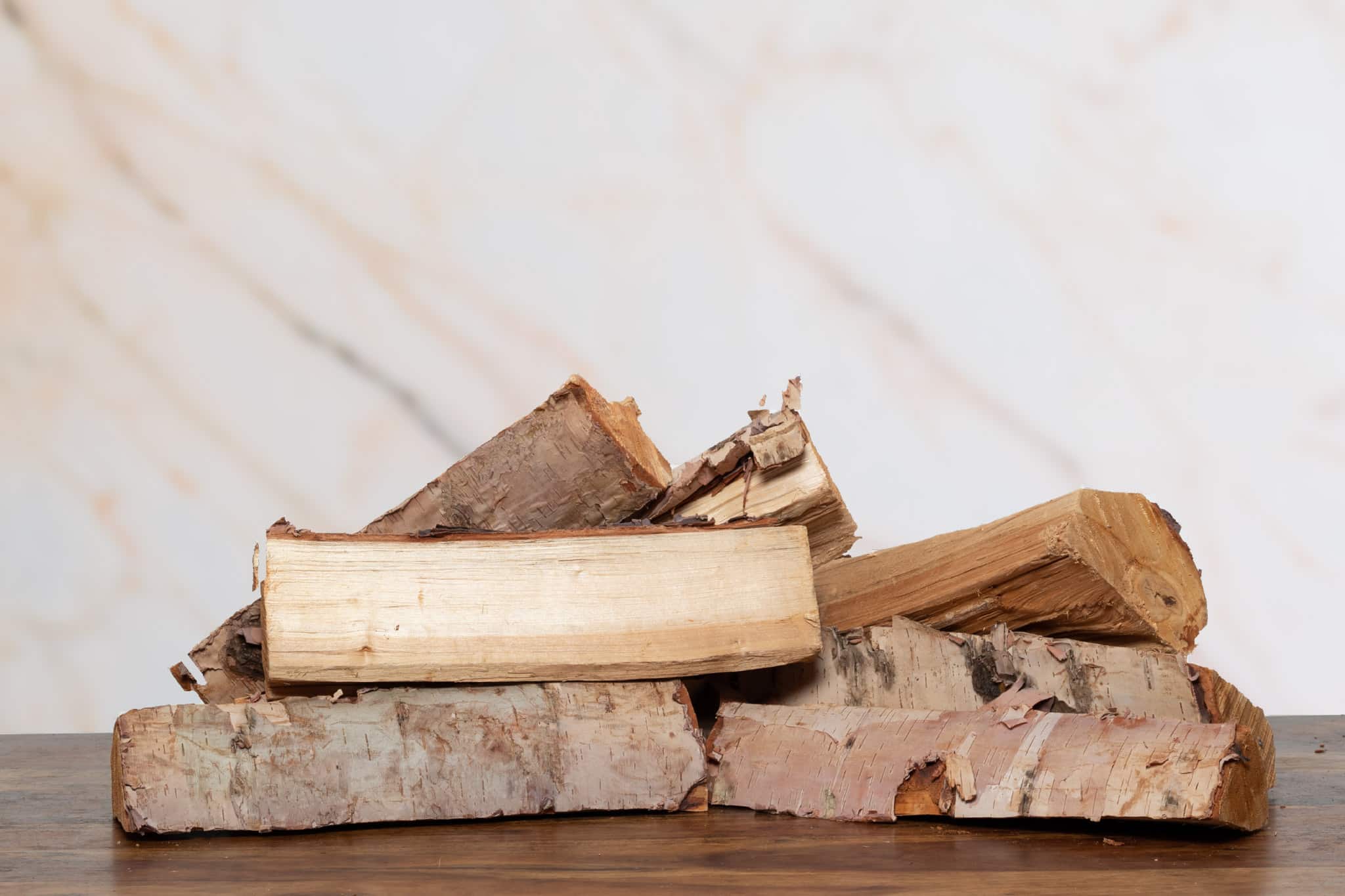
Cherry burns slightly cooler than oak but adds a delicate, sweet aroma that works exceptionally well with lighter toppings: fresh mozzarella, prosciutto, arugula. Restaurants in Westchester County running wood-fired ovens often mix cherry with oak at roughly a 1:3 ratio to add a flavor layer without sacrificing heat.
Premier’s cherry firewood is kiln-dried to the same moisture standard as our mixed hardwood. It is available in pizza-cut splits sized for smaller residential ovens as well as full splits for larger hearths.
Apple and fruitwoods: the choice for gourmet pies
Apple and other fruitwoods produce a sweeter, fruitier smoke than oak or cherry. The flavor contribution is more pronounced, which makes fruitwoods better suited to specialty pizzas than everyday Margheritas. Because fruitwoods burn less hot than oak, most pizza chefs use them as an accent wood layered over an oak base, not as a sole fuel source.
Woods to avoid in a pizza oven
Softwoods including pine, spruce, and fir contain resin that produces acrid, bitter smoke and accelerates creosote buildup inside the oven. They also burn too quickly to sustain the temperatures pizza requires. Wet or unseasoned wood creates steam instead of heat, drops oven temperature, and coats the dome with soot. Neither category belongs in a pizza oven under any circumstances.
Split size and moisture content: the two things most guides skip
Species selection gets all the attention. Split size and moisture content actually determine whether your oven reaches temperature and holds it.
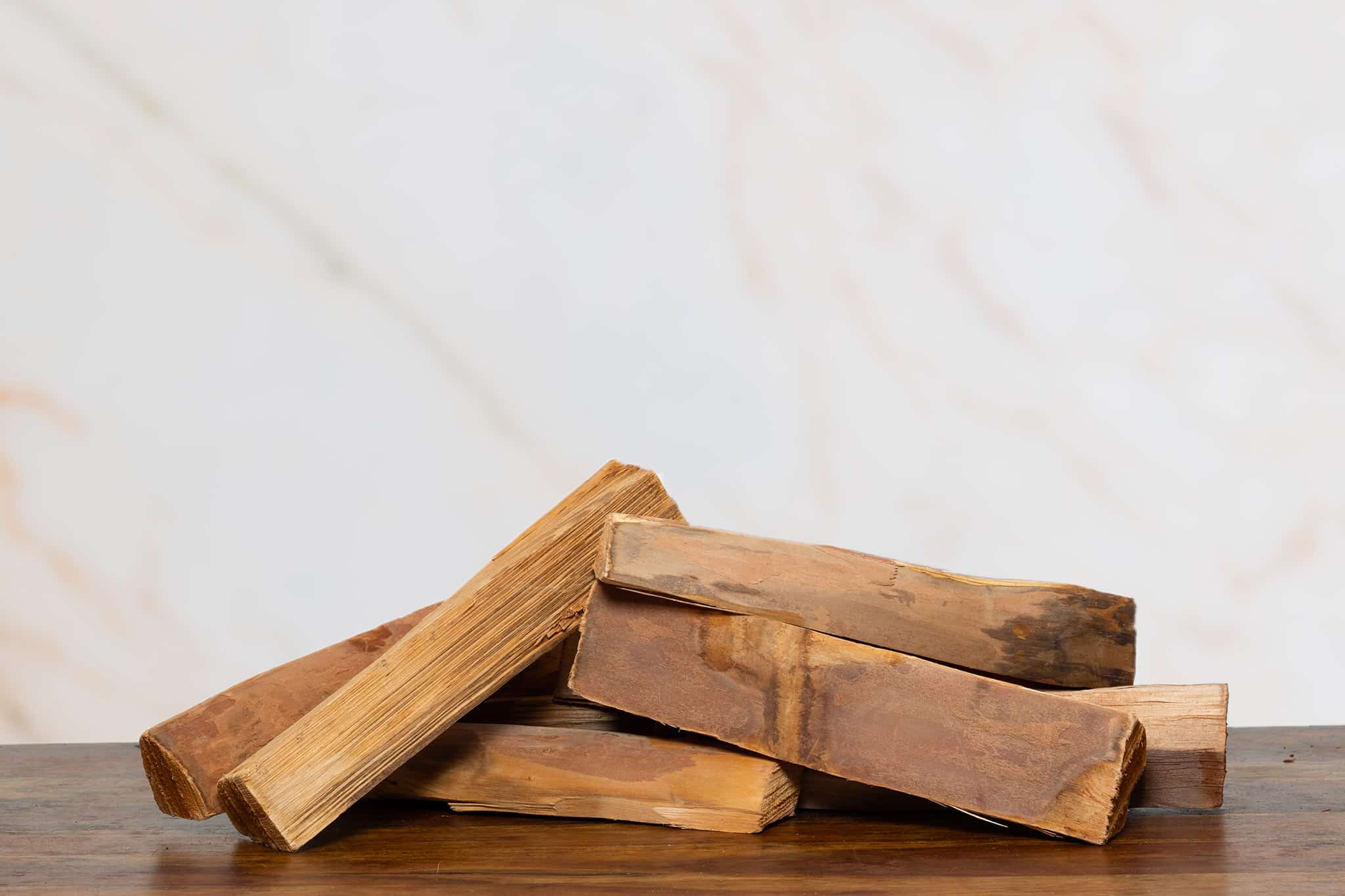
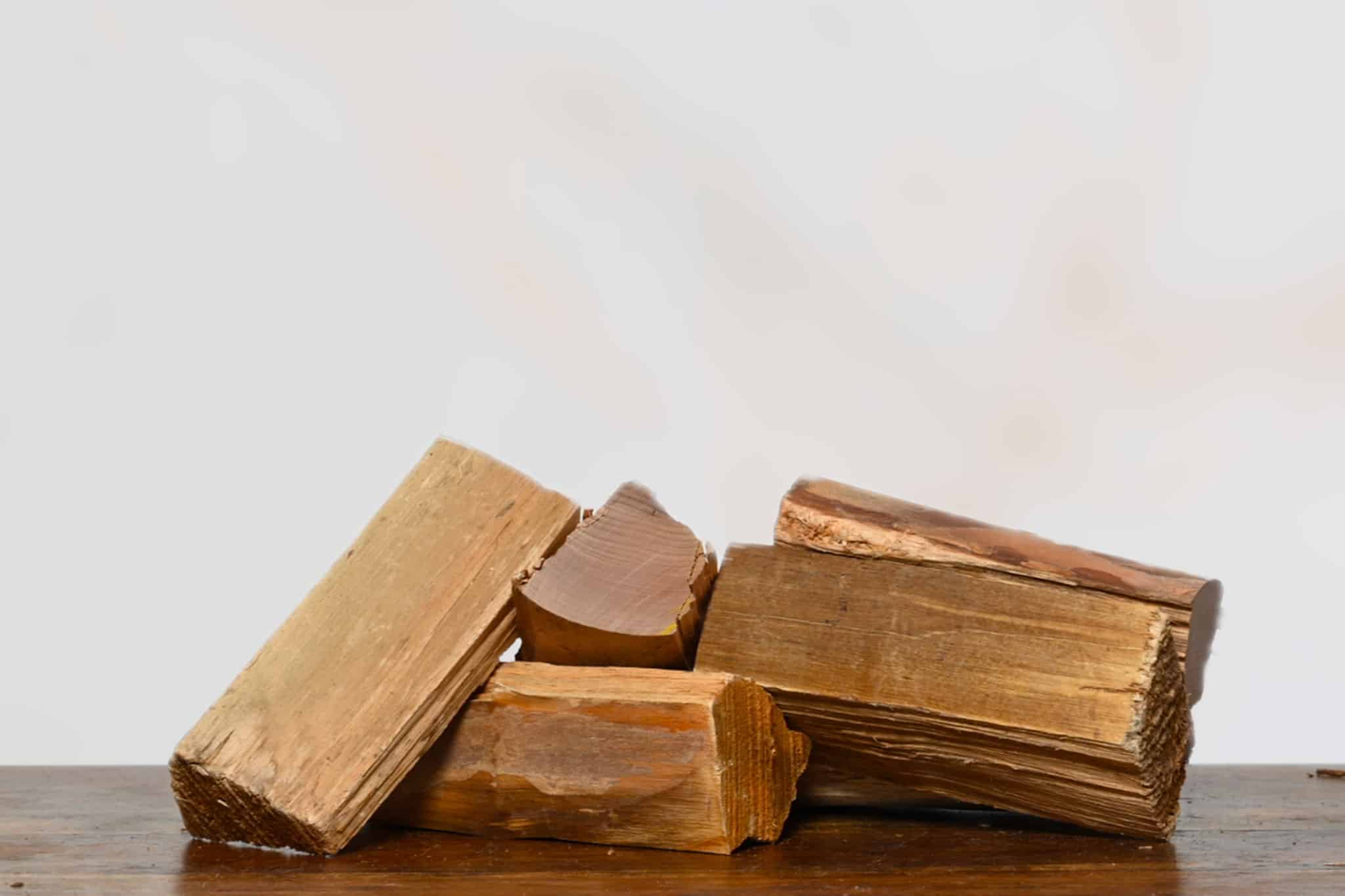
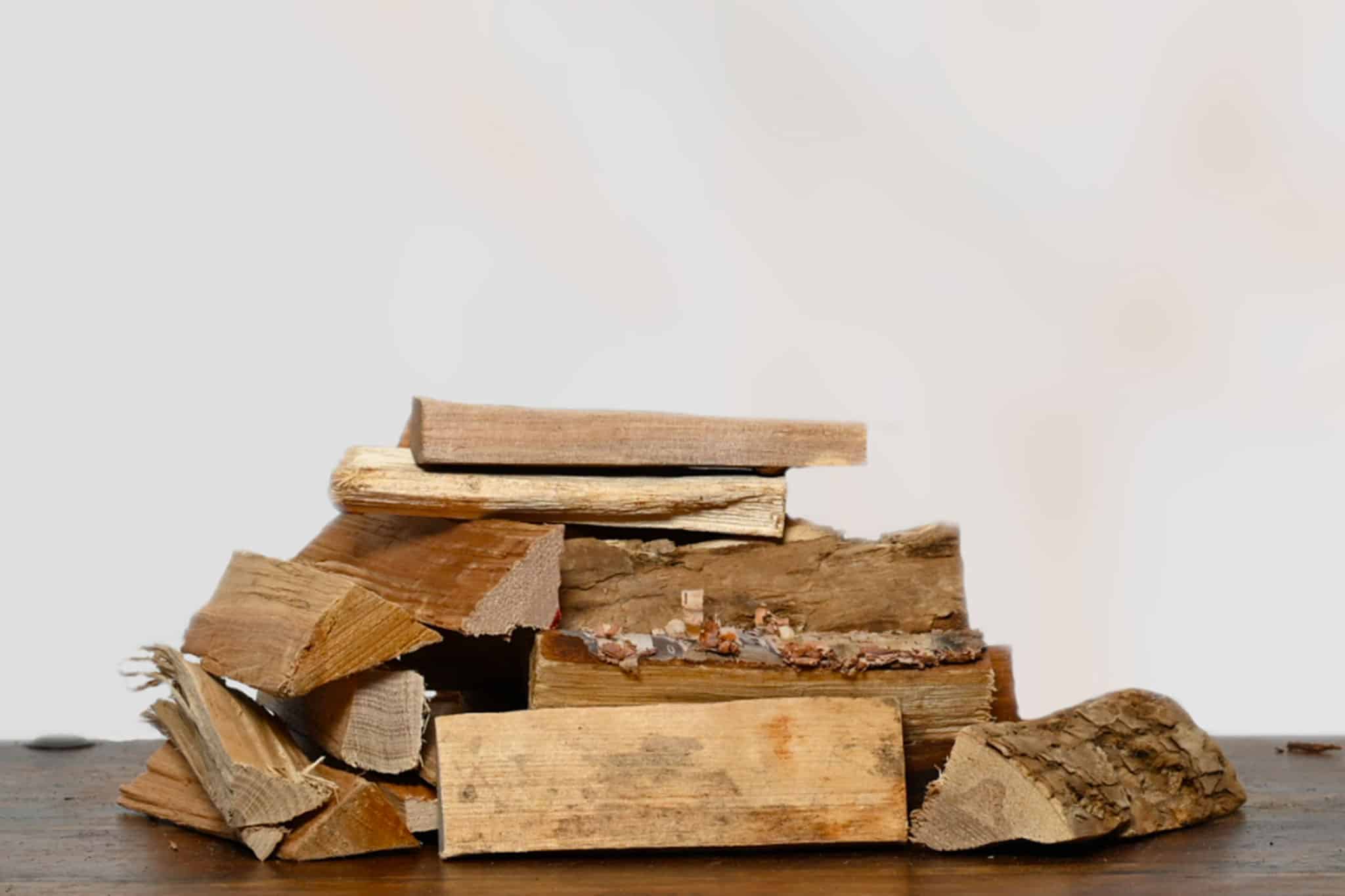
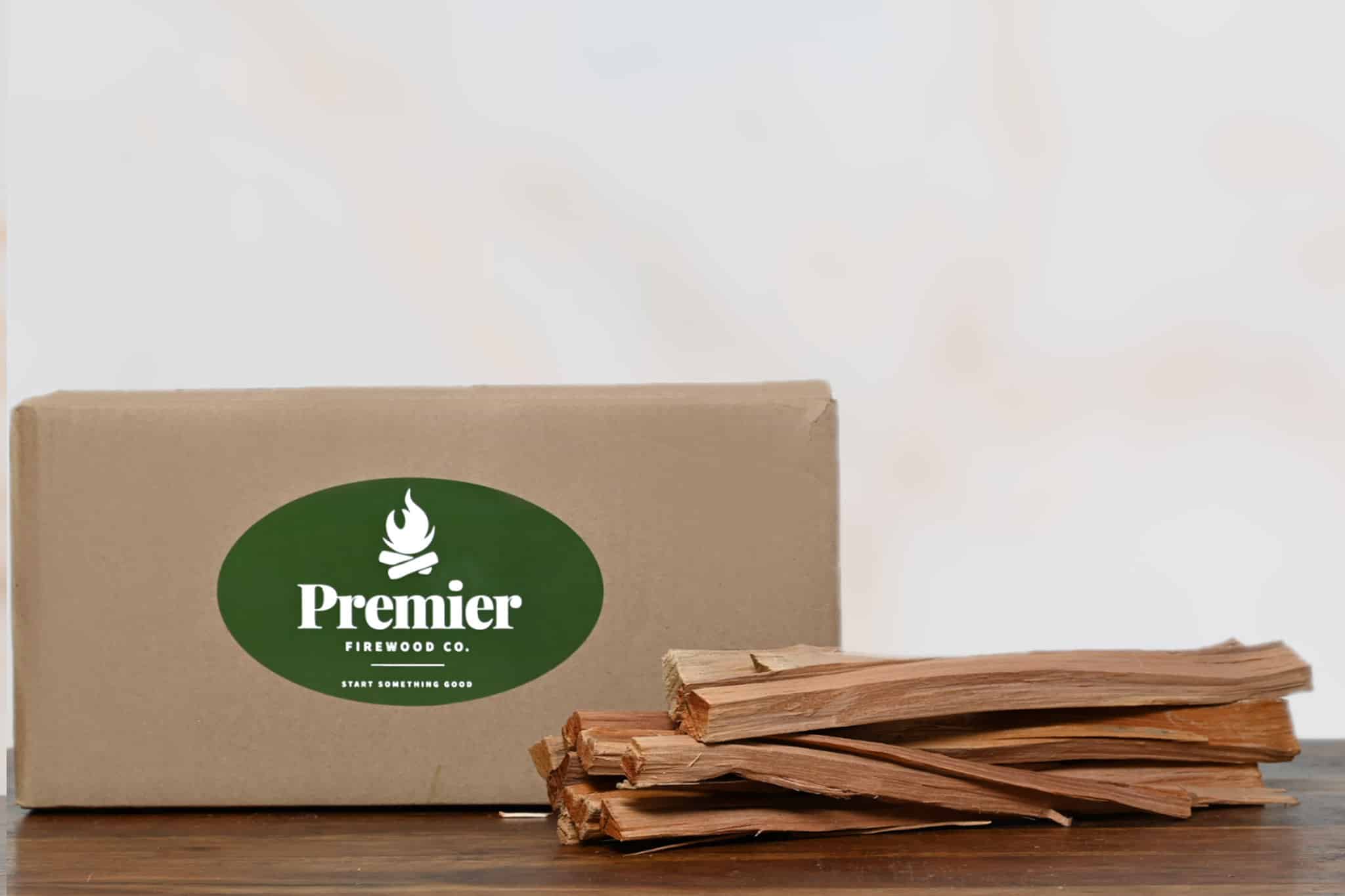
For residential pizza ovens including Ooni, Gozney, and Solo Stove units, standard 16-inch firewood splits are too large to fit and too slow to ignite at startup. Premier’s mini pizza splits are cut to 6 to 8 inches with a diameter of 1 to 2 inches: sized specifically for the firebox dimensions of portable and countertop ovens. For full-size wood-fired ovens and outdoor hearths, regular splits work well once the oven is already at temperature.
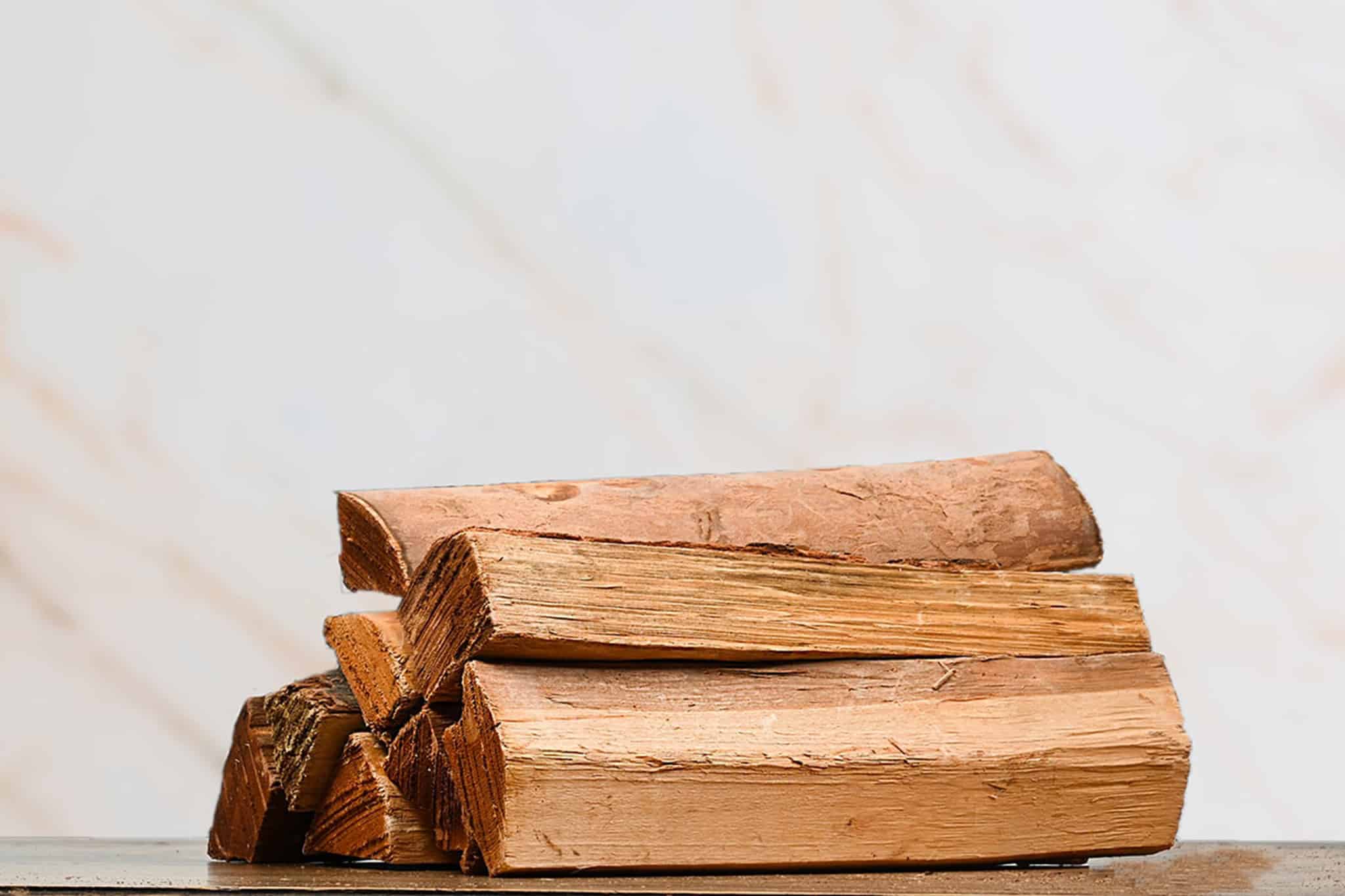
Moisture content is the other variable most buyers ignore. Seasoned firewood can sit at 20 to 25% moisture even after a full year of outdoor drying. At that level, a meaningful portion of your fire’s energy goes toward evaporating water rather than heating the dome. Premier’s kiln-dried hardwood firewood is processed to 10 to 15% moisture content. It lights reliably, produces less smoke, and reaches peak combustion temperature faster than seasoned alternatives.
According to Penn State Extension research on firewood, properly dried hardwood can deliver up to 35% more usable heat than wood at 25% moisture. For a pizza oven that needs to hit 900 degrees Fahrenheit, that gap matters.
Premier Firewood Company delivers kiln-dried pizza wood to homes and restaurants across Fairfield County and Westchester County. Order pizza wood for delivery or pick up at our Wilton, CT location.
How to use pizza oven wood: heat management from first light to crust
Getting the wood right is half the job. Using it correctly is the other half.
Getting from cold oven to 900 degrees Fahrenheit
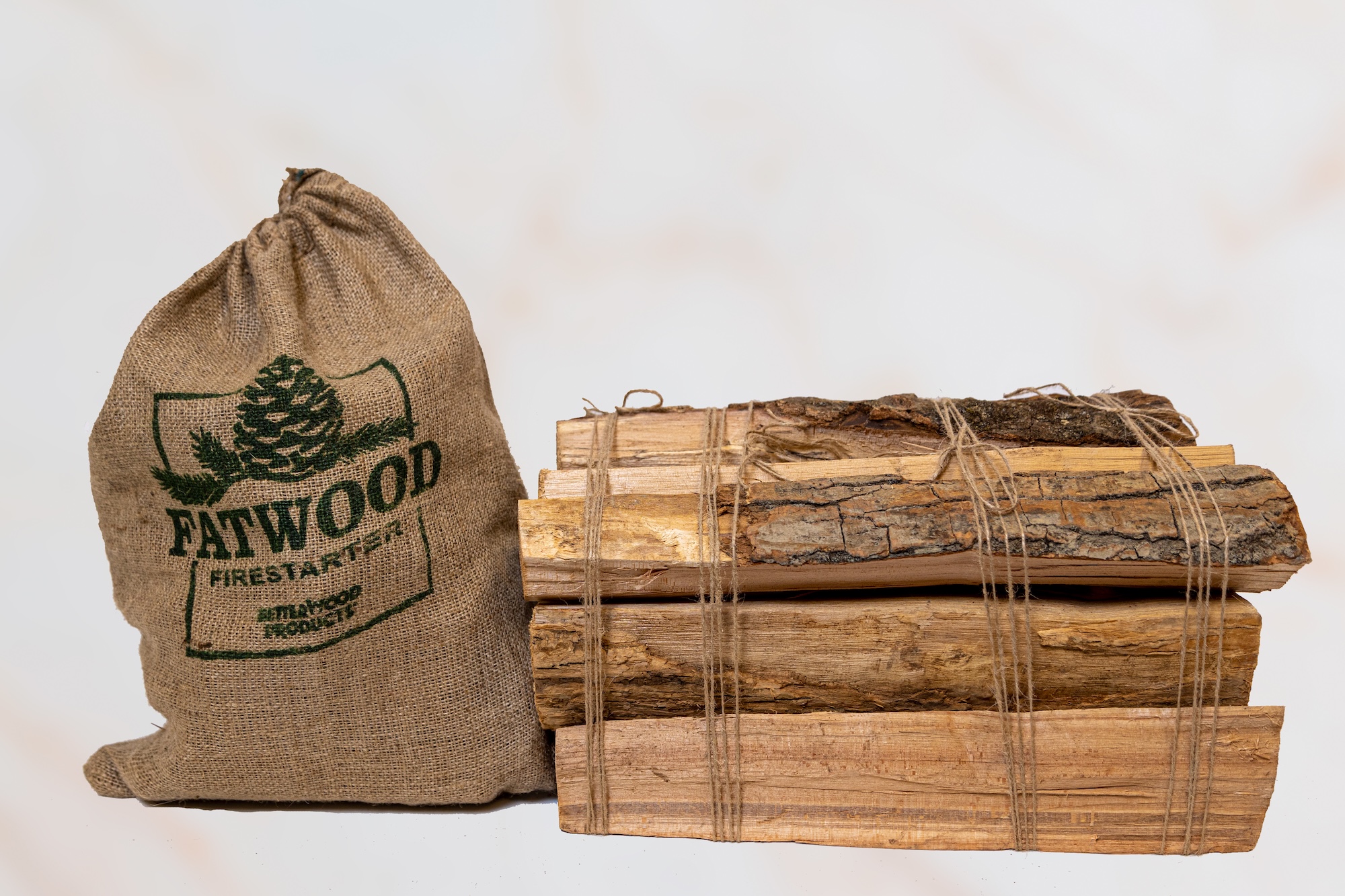
Start with a small bundle of fatwood or dry kindling at the center of the oven floor. Fatwood, which is resin-saturated heartwood, lights from a single match and burns hot enough to ignite splits without firestarter chemicals. Layer 3 to 4 mini splits in a loose grid over the kindling, with space between them for airflow.
Move the fire to the side or rear of the oven as it grows. This positions the flame to heat the dome and stone simultaneously. Most residential wood-fired ovens take 45 to 60 minutes to reach 850 to 950 degrees Fahrenheit from cold. You will know it is ready when the dome turns from black to white, which means the soot has burned off and the stone is fully saturated with heat.
Maintaining heat during a cook session
Add one or two small splits every 10 to 15 minutes to maintain temperature. Do not load large amounts of wood at once. A large fuel load drops the oven temperature temporarily and produces a surge of smoke that can affect flavor. Small, frequent additions keep the coal bed active and the dome temperature stable.
Kiln-dried wood responds faster to this kind of management than seasoned wood because it reaches combustion temperature almost immediately after going in. Wet wood smolders first, which introduces smoke and delays the temperature recovery.
Frequently asked questions about pizza oven wood
Where to buy wood for pizza oven?
The best option is a local firewood supplier that sells kiln-dried pizza-cut splits. Big box store bundles are typically undersized, inconsistently dried, and expensive per BTU. Premier Firewood Company delivers kiln-dried pizza wood to homes and restaurants in Connecticut and New York, with nationwide shipping also available.
How to use a wood fired pizza oven?
Start a small fire at the center using fatwood and dry kindling, then build up with small splits. Once the dome turns white and the stone reaches 850 to 950 degrees Fahrenheit, move the fire to the side and slide in the pizza. A Neapolitan-style pizza cooks in 60 to 90 seconds at this temperature. Add a small split every 10 to 15 minutes to maintain heat.
What can you cook in a wood fired pizza oven?
Beyond pizza, wood-fired ovens handle bread, roasted vegetables, whole fish, and slow-cooked meats extremely well. The retained heat after a pizza session is ideal for roasting at lower temperatures as the oven cools. Many chefs use cherry or apple wood specifically for non-pizza dishes where a light smoke flavor enhances the food.
How does a wood fired pizza oven work?
A wood-fired pizza oven heats by radiation from the dome, conduction from the stone floor, and convection from hot air circulating inside the chamber. Hardwood combustion produces the sustained, high-intensity heat needed for all three modes to work simultaneously. The dome reflects heat downward onto the pizza, which is why dome temperature matters as much as floor temperature.
The right pizza oven wood makes a measurable difference in crust texture, char, and flavor. Premier Firewood Company supplies kiln-dried pizza-cut hardwood splits to homeowners and restaurants in Greenwich, Norwalk, Wilton, and Scarsdale, with delivery available throughout Fairfield County and Westchester County. Ready to stock up? Shop pizza wood or get in touch with our team to discuss volume orders and restaurant delivery schedules.