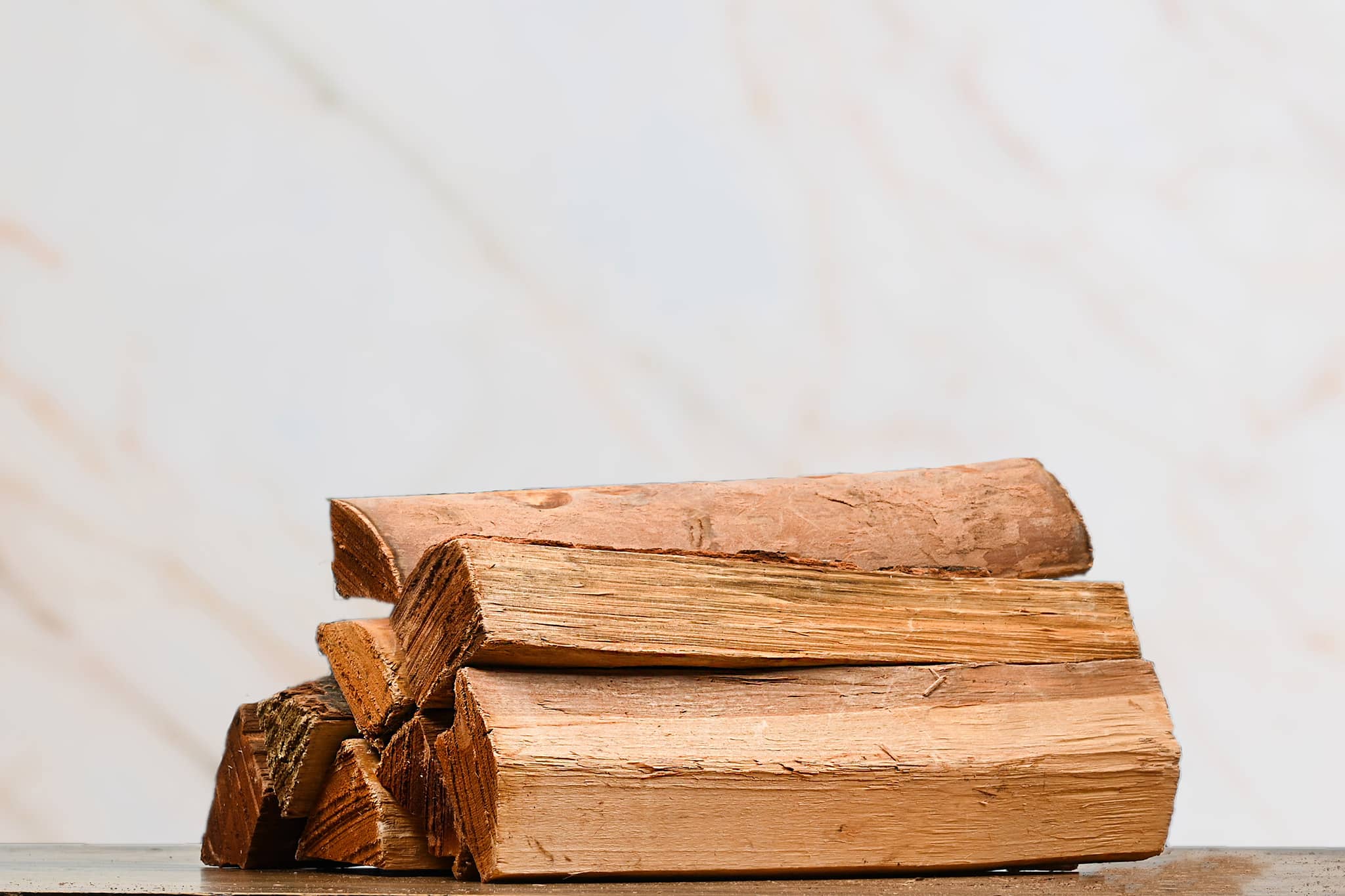


Wood for pizza oven: the complete species guide to heat, smoke, and flavor
The wood for pizza oven you choose determines three things: how hot your oven gets, how long the coal bed holds temperature, and what flavor, if any, transfers to the crust. Oak is the answer most guides start and stop with. That is correct but incomplete. The better question is which species, in which combination, for which style of pizza you are cooking. Fairfield County home cooks running a Gozney Dome and Greenwich restaurants supplying a 40-cover dinner service need different answers. This guide covers both.
In this article
What wood actually does in a pizza oven
Wood performs three jobs simultaneously in a wood-fired pizza oven. First, it produces heat through combustion: the chemical energy stored in the wood releases as thermal energy, raising the temperature of the dome and stone floor. Second, the coal bed it leaves behind holds and radiates that heat steadily between pizzas, acting as a thermal reservoir. Third, hardwood combustion releases volatile aromatic compounds that can transfer a faint smoke character to food.
The first two jobs require high BTU hardwood with good coaling properties. The third job requires intention: choosing a species whose aromatic profile complements the pizza you are making rather than competing with the toppings. Most home cooks default to pure oak for all three jobs. Professional pizzaiolos running wood-fired programs at Westchester County restaurants approach it differently, blending species by service type and pizza style.
According to the USDA Forest Products Laboratory, hardwoods deliver between 18 and 28 million BTU per cord depending on species and moisture content, compared to 10 to 15 million BTU per cord for softwoods. That gap explains why softwoods have no place in a pizza oven: they cannot sustain the temperatures required, and they produce resin-based smoke that tastes acrid and accelerates creosote buildup in the dome.
The best wood for pizza oven: species compared
All data below assumes kiln-dried wood at 10 to 15% moisture content. BTU figures at higher moisture drop significantly: wood at 25% moisture delivers roughly 35% less usable heat than wood at 15%, according to Penn State Extension research on firewood energy values.
Select a species to see its heat output, coal quality, smoke profile, and recommended use:
Oak: the benchmark
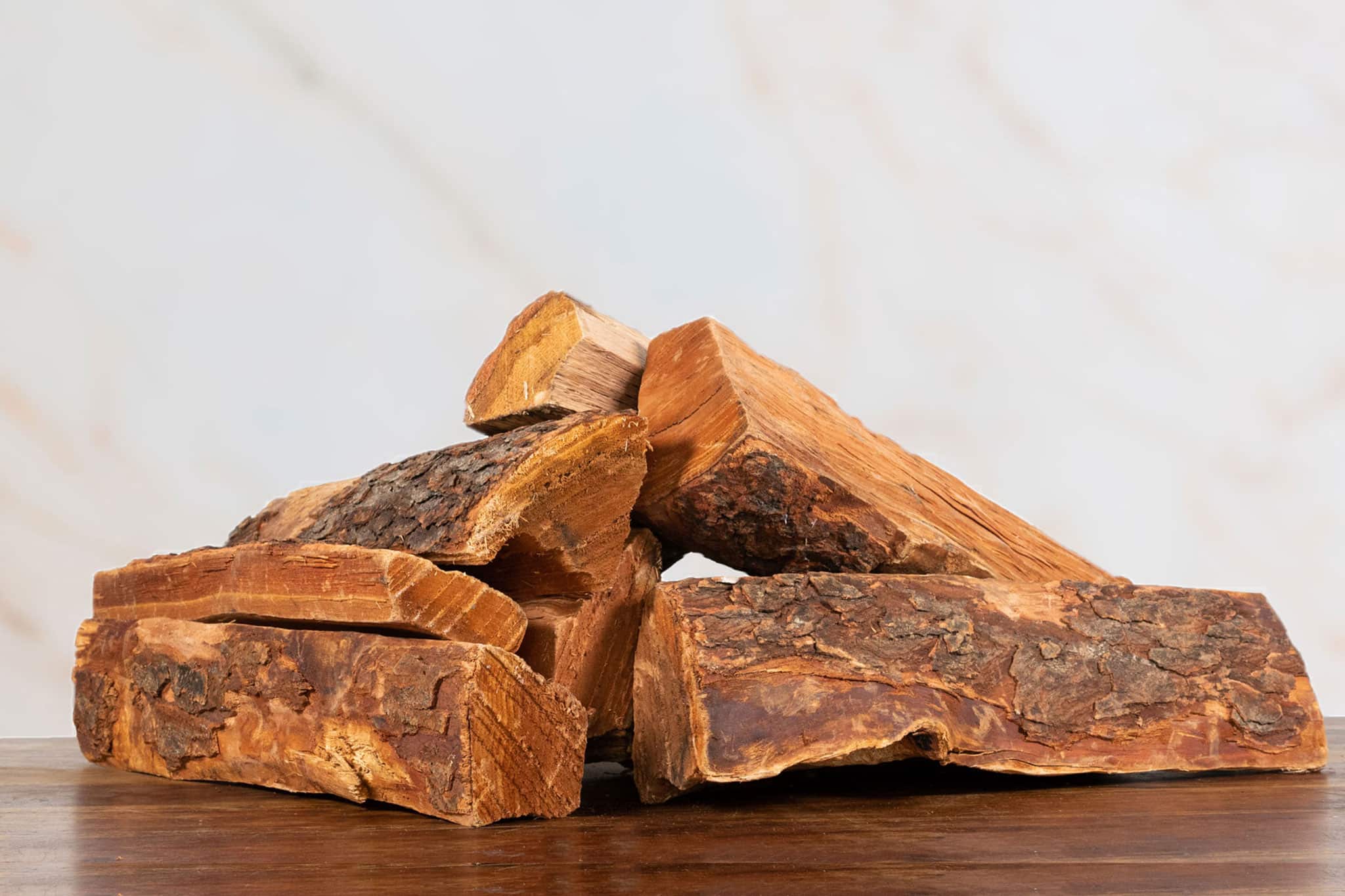
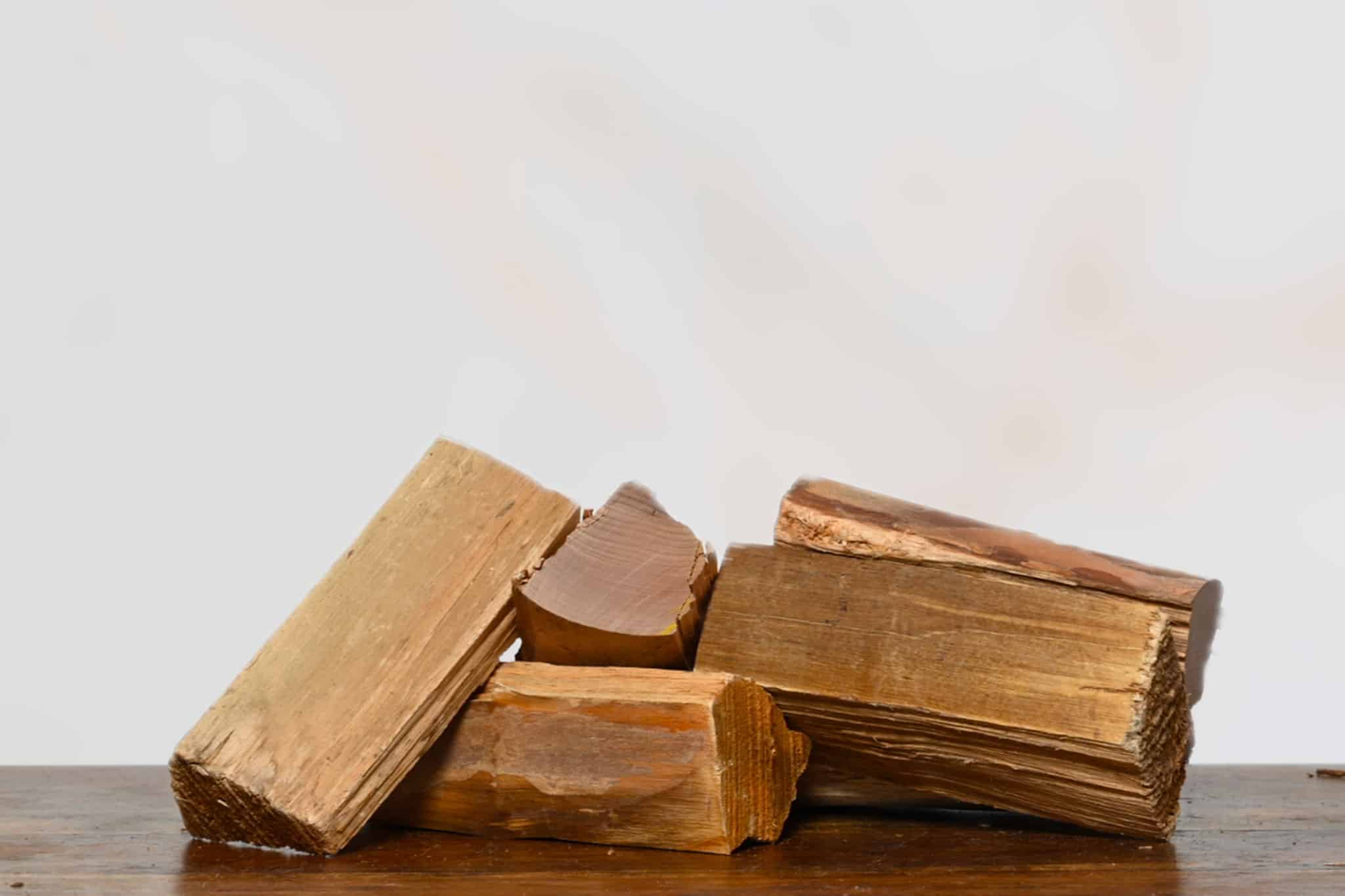
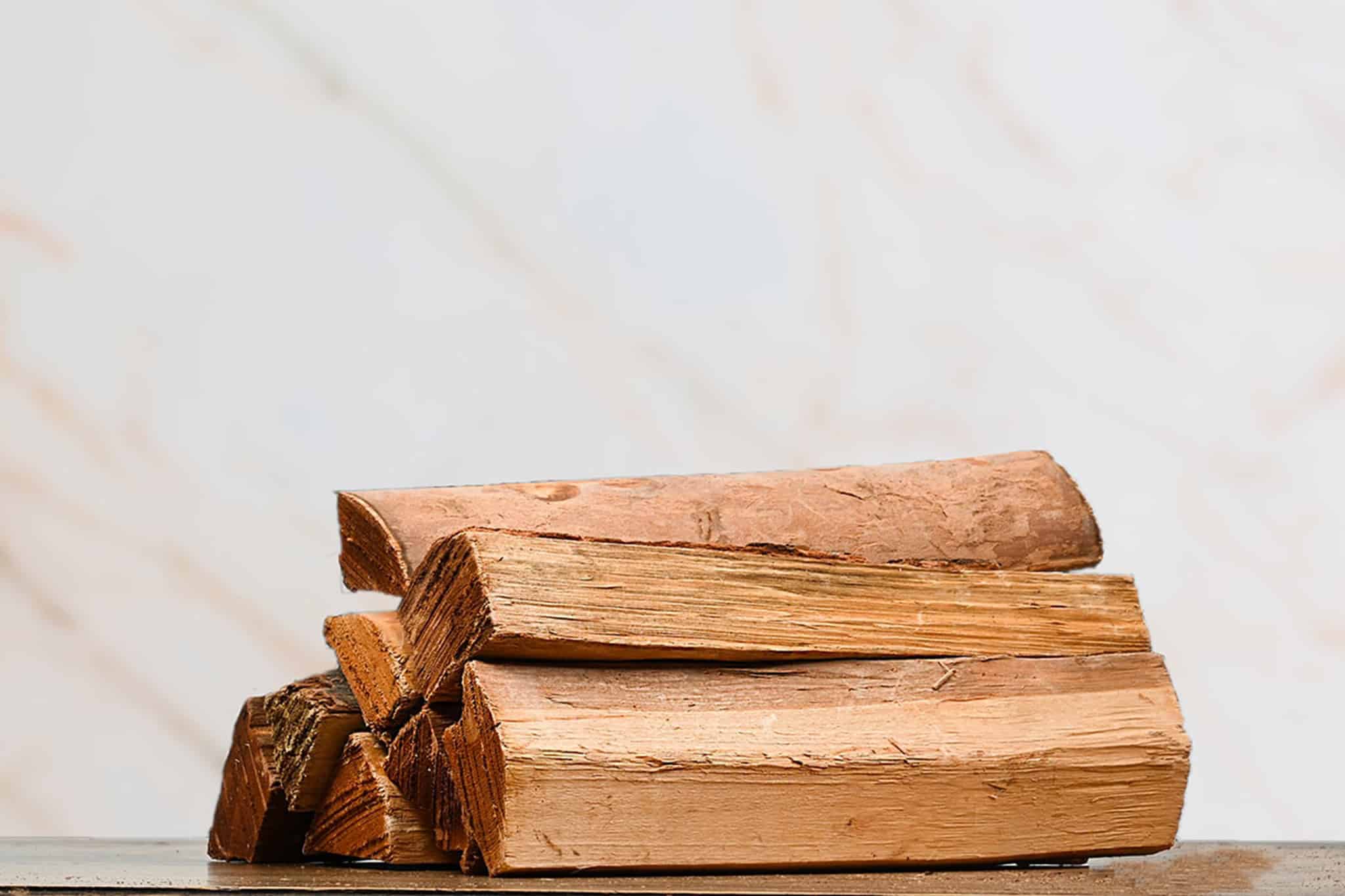
Oak is the standard for a reason. At 26 to 28 million BTU per cord, it sits at the top of the hardwood range for heat output. It builds a dense, long-lasting coal bed that holds temperature across a full cook session without constant fuel additions. Its smoke is so neutral that most tasters cannot detect it at all in the finished crust, which makes it the safe default for any pizza style.
Premier Firewood Company’s northeast hardwood blend is anchored by oak. It is what we supply to restaurant accounts running high-volume wood-fired programs, and it is the first thing we recommend to Fairfield County homeowners setting up a new oven. For a first session, pure kiln-dried oak removes every variable except your dough and fire management.
Beech and ash: the underrated alternatives
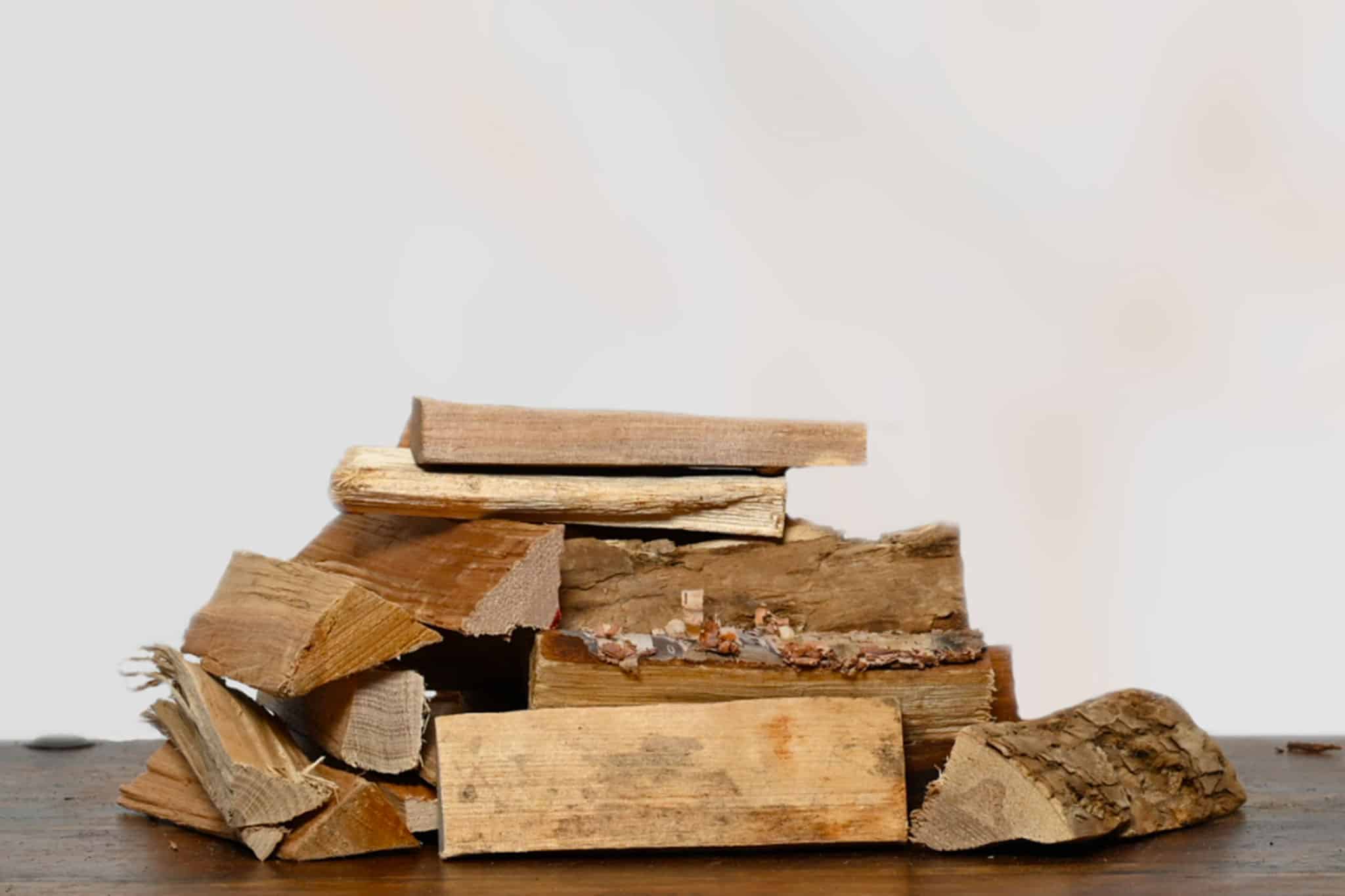
Beech and ash both burn hotter and longer than most cooks expect. Beech at 24 to 26 million BTU per cord is close to oak in coal quality and produces a very slightly sweet smoke that is detectable only to trained palates. Ash burns slightly cooler than beech but lights more easily, making it a good option for the startup phase before transitioning to oak for the main session. Neither species is widely available as purpose-cut pizza wood in the Northeast, but both are present in Premier’s mixed hardwood blend.
Cherry: the flavor choice
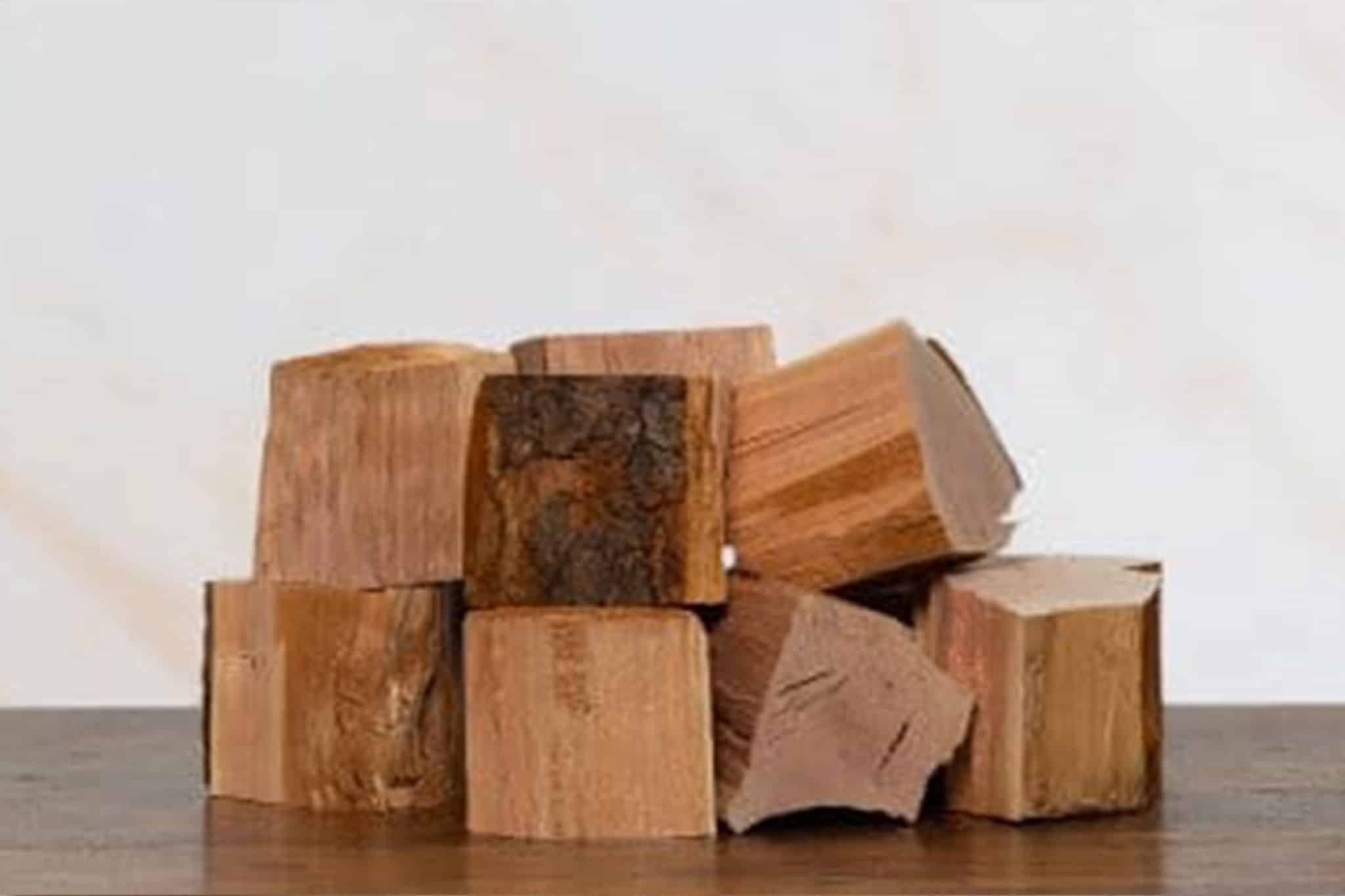
Cherry burns at 20 to 22 million BTU per cord: meaningfully lower than oak, but still well within the range needed to reach 850F in a residential pizza oven. The coal bed is decent but burns faster, which means more frequent fuel additions during a long session. The trade is the smoke: cherry produces a mild, genuinely sweet aroma that complements light, fresh-ingredient pizzas without overpowering them.
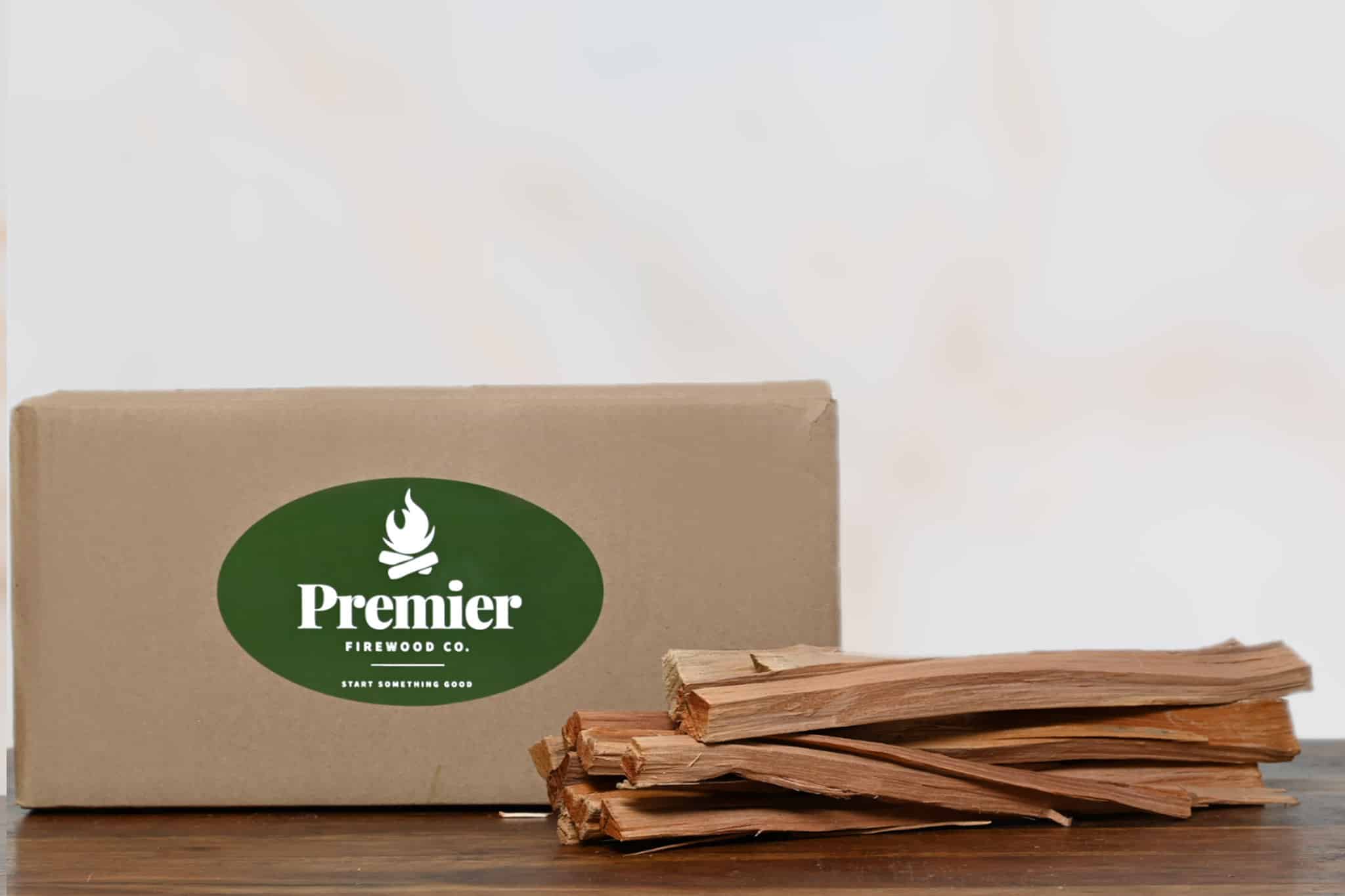
It pairs particularly well with prosciutto, fresh mozzarella, arugula, and light tomato sauces. For a straight Margherita cooked at 900F in 90 seconds, the cherry smoke contribution is faint but present. At lower temperatures with longer cook times, it becomes more pronounced. Premier’s cherry firewood is kiln-dried to the same moisture standard as the mixed hardwood and is available in pizza-cut splits.
Apple and fruitwoods: accent fuel
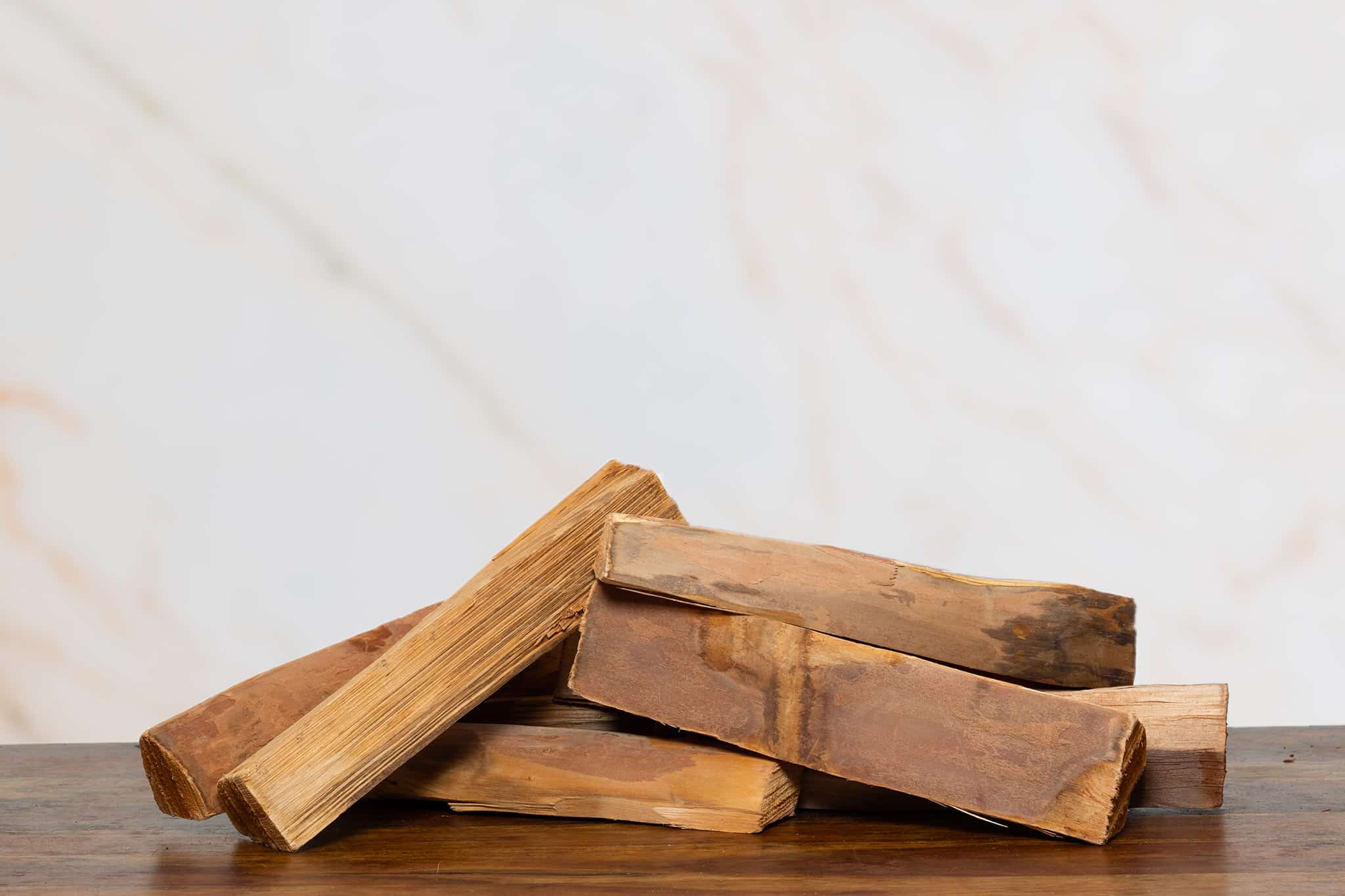
Apple burns at 18 to 20 million BTU per cord and produces the most pronounced aromatic smoke of any wood in Premier’s range. The flavor is fruity and sweet without tasting artificial, and it pairs exceptionally well with white pizzas, ricotta bases, figs, caramelized onions, and sweet pepper toppings. At full temperature in a properly preheated oven, the apple smoke contribution is subtle. At lower temperatures, it becomes the dominant flavor note.
Because apple burns cooler and faster than oak, it is almost never used as a sole fuel source for pizza. The standard approach is to establish the coal bed with oak, then add one or two apple splits during the cook to introduce the aromatic character without sacrificing heat stability.
Birch: the fast starter
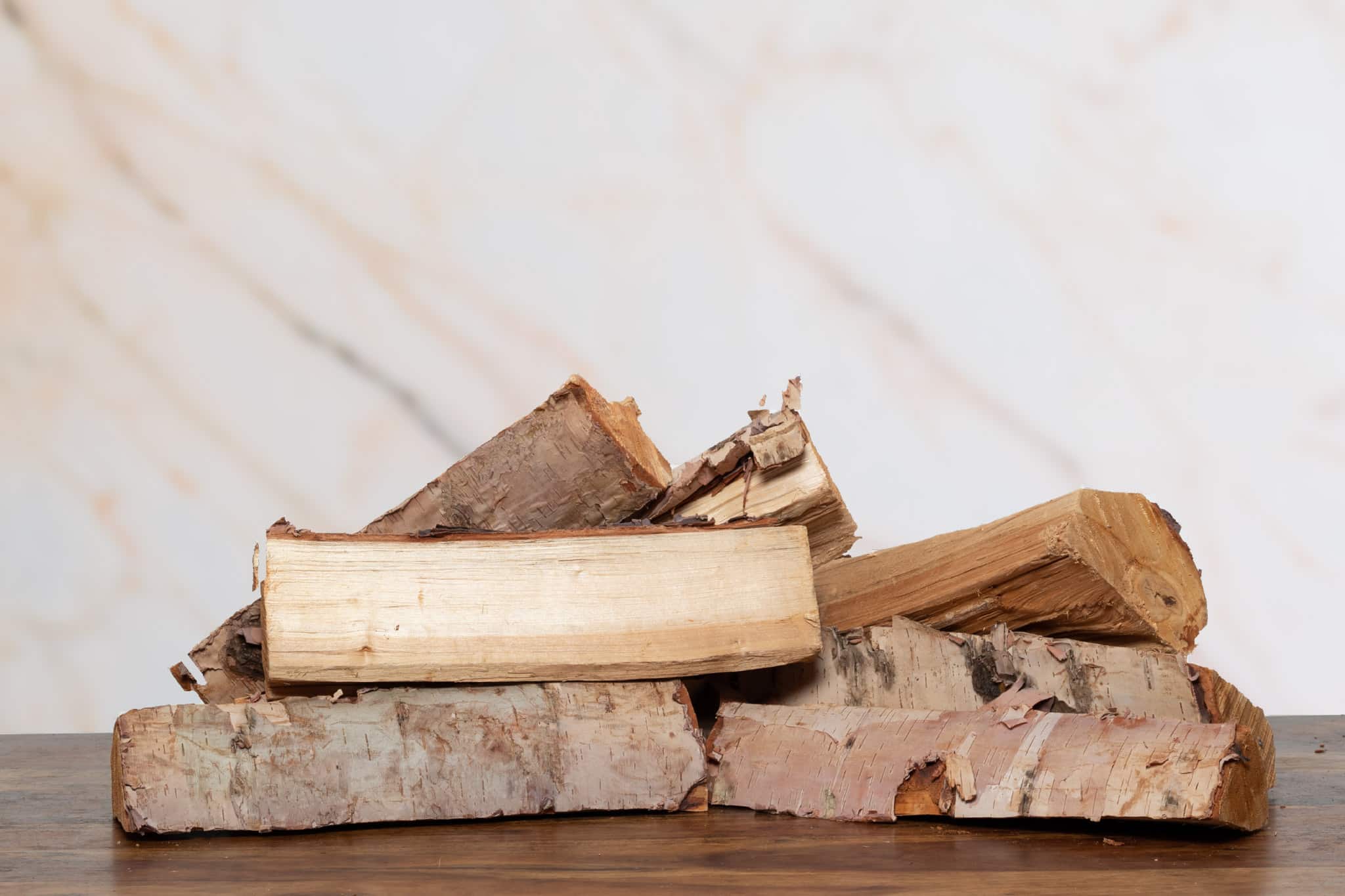
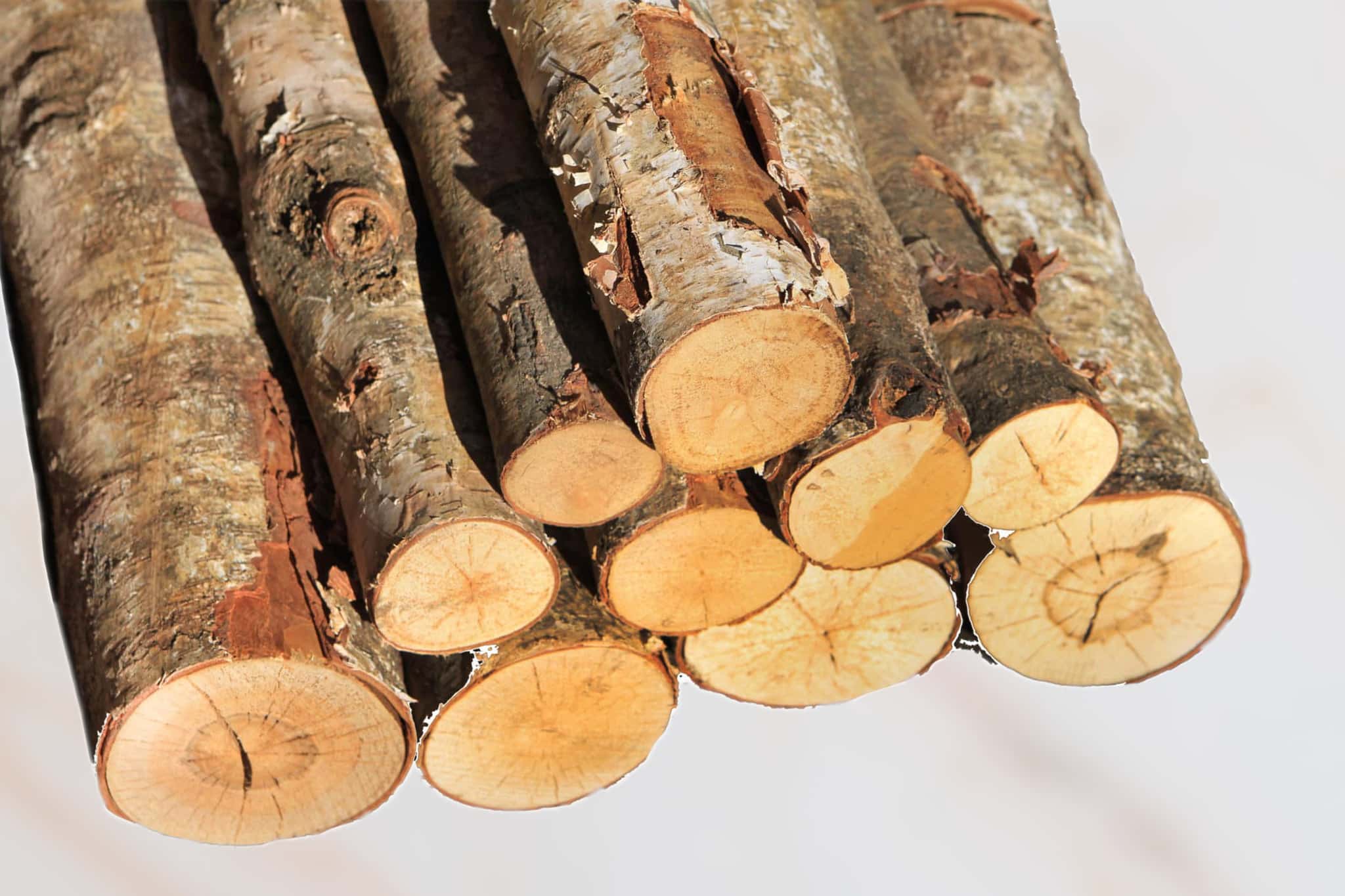
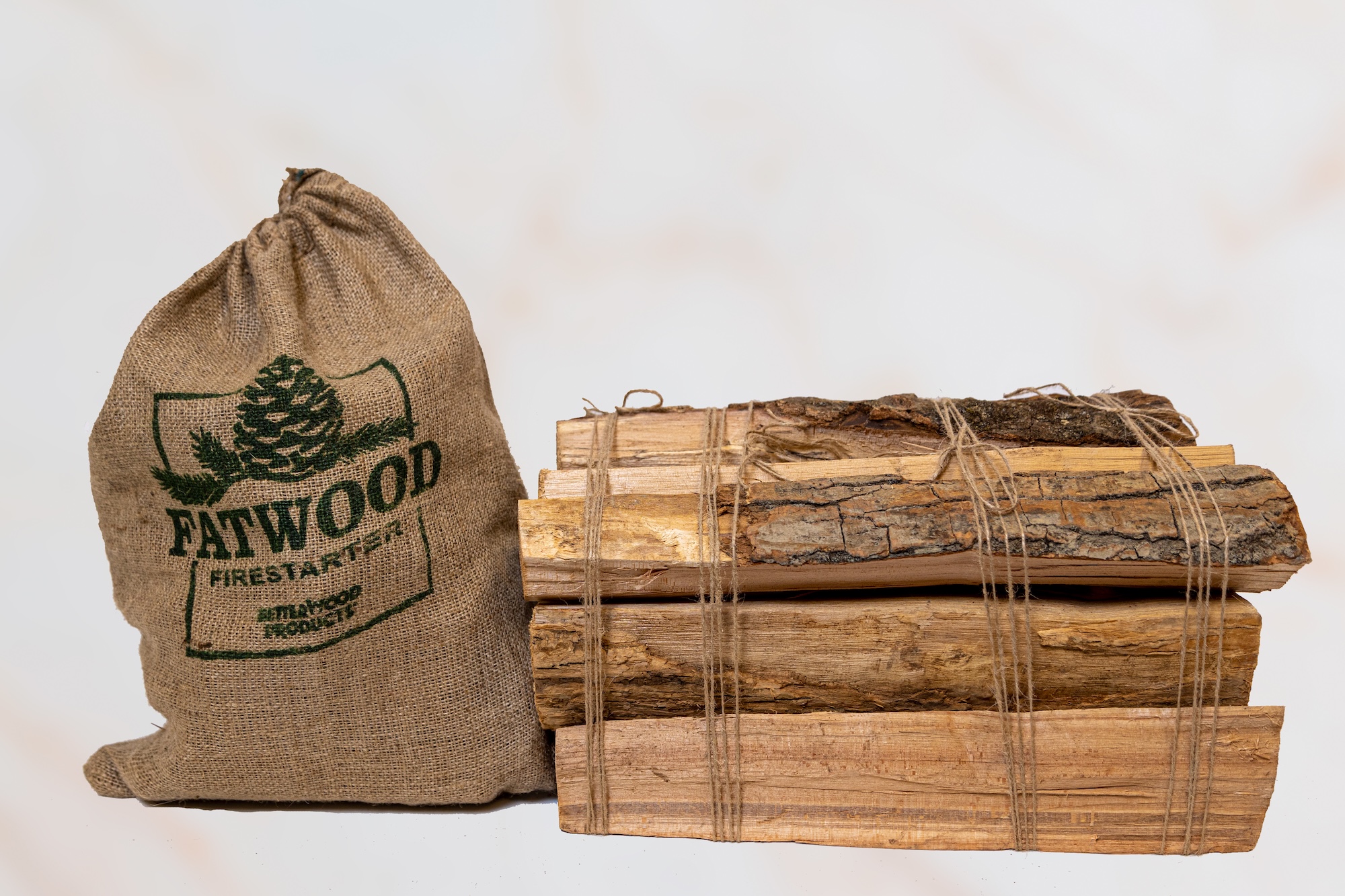
White birch burns hot initially but produces a thinner coal bed than oak and burns through faster. It is not the best choice for a full pizza session on its own. Its value is in startup: birch lights more easily than dense oak, catches quickly from fatwood, and gets the oven climbing toward temperature faster. Many experienced home cooks use white birch firewood to establish the initial fire, then add oak splits once the dome is heating to sustain the temperature through the cook.
Premier Firewood Company delivers kiln-dried cooking wood in oak, cherry, birch, and mixed hardwood to homes and restaurants across Fairfield County, CT and Westchester County, NY. Shop cooking wood and pizza splits or pick up at the Wilton location.
How to blend wood for pizza oven: ratios that actually work
Blending is where home cooks move from competent to intentional. The principle is straightforward: use a high-BTU hardwood as your base fuel for heat and coals, then add a secondary species during the cook to layer in aromatic character. The base never changes. The accent wood changes with the pizza.
Select a blend to see the recommended ratio, flavor, and suitable pizza styles:
A few rules apply when blending wood. Add the accent wood after the oven is fully at temperature, not during preheating. You want the flavor contribution to happen during the cook, not while the dome is still absorbing heat. Use smaller splits of accent wood so they combust quickly instead of smoldering.
Never blend more than 30% fruitwood in a single addition. Above that ratio, the flavor can overwhelm a simple pizza.
For restaurants running continuous service, pure oak is almost always the right answer. The flavor contribution of cherry or apple, while excellent in a home setting, is difficult to control consistently across dozens of pizzas with different toppings. The neutral burn of oak lets the ingredients speak, which is the professional approach.
Moisture content and coal management: the two variables species guides skip
Species selection is one input. Moisture content and coal management are the other two, and they matter as much.
Every BTU figure above assumes kiln-dried wood at 10 to 15% moisture content. At 25% moisture, which is common in air-dried or inadequately seasoned wood, oak delivers closer to 17 to 18 million BTU per cord rather than 26 to 28 million. The species advantage largely disappears when both fuels are wet. Kiln drying is not a marketing claim: it is a measurable quality standard that Premier’s kiln-dried hardwood firewood meets at every delivery.
Coal management is the other variable. Once the oven is at temperature, push the coal bed to the rear or one side of the hearth floor. Use a metal brush to sweep ash from the cooking zone before each pizza. Add one small split to the coal bed between pizzas when the temperature drops below 800F, not before. A stable, well-managed coal bed from dense oak maintains cooking temperature more efficiently than a large active fire, and it produces far less smoke during the cook.
Where to buy wood for pizza oven in CT and NY
The options are big box stores, online marketplaces, and local suppliers. The quality difference is significant.
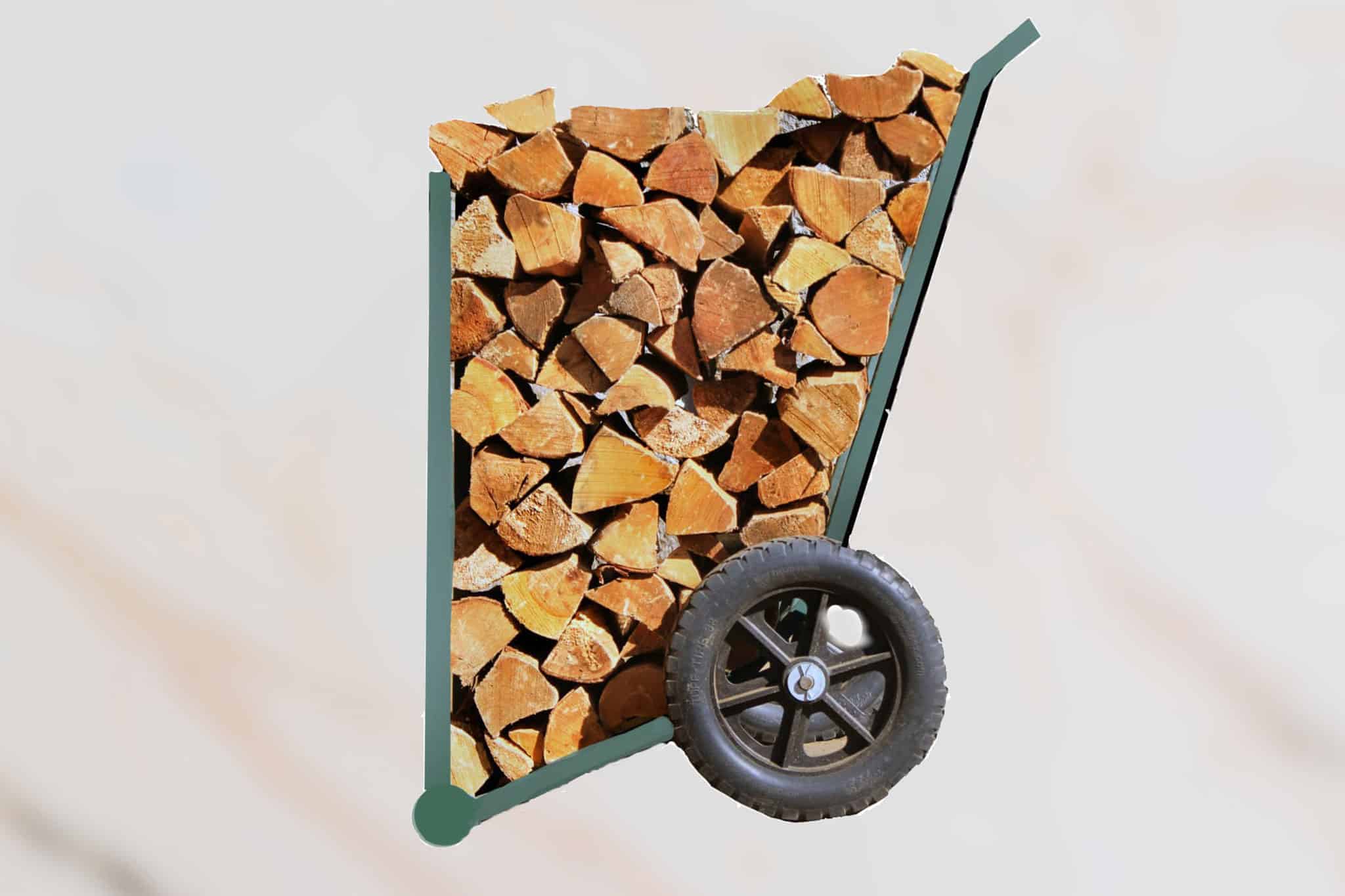
Big box store bundles are typically sold by volume with no moisture guarantee, frequently contain mixed species including softwood, and are cut for fireplace length—16 to 18 inches—rather than pizza oven dimensions. For a portable oven, these splits may not fit the firebox. For a full-size oven, the moisture content remains unpredictable.
Online marketplaces like Amazon carry purpose-cut pizza wood from several suppliers, but moisture content and species accuracy vary by seller. Shipping costs for a heavy product can also make per-BTU pricing unfavorable compared with local delivery.
Local suppliers who kiln-dry on-site and deliver to your door are the best option for consistent quality. Premier Firewood Company harvests and kilns hardwood from Northeast forests, stores all wood indoors to protect moisture levels, and delivers pizza-cut splits sized specifically for residential and commercial ovens.
Orders serve Greenwich, Norwalk, Darien, Wilton, and surrounding Fairfield County towns, as well as Scarsdale, Rye, Chappaqua, and Westchester County. Nationwide shipping is also available.
Frequently asked questions
What type of wood is best for a pizza oven?
Kiln-dried oak is the best all-around choice. It burns at 26 to 28 million BTU per cord, builds a dense coal bed that holds temperature across a full session, and produces neutral smoke that does not interfere with pizza flavor. Cherry and apple are good secondary choices for adding aromatic character to specific pizza styles, used at 25 to 30% of the total fuel load alongside an oak base.
Is cherry wood good for a pizza oven?
Yes, with qualifications. Cherry burns at a lower BTU than oak and produces a faster coal bed, meaning you need to add fuel more often in a long session. Its mild, sweet smoke pairs well with light toppings such as fresh mozzarella, prosciutto, arugula, and simple tomato sauces. For everyday pizza at high volume, oak is more practical. For a gourmet session where wood character is part of the experience, cherry is an excellent choice, either on its own or blended 25% with oak.
What kind of wood should you not use in a pizza oven?
Softwoods including pine, spruce, cedar, and fir should never be used. They contain resins that produce acrid, bitter smoke and accelerate creosote buildup inside the dome. Wet or unseasoned wood with moisture above 20% should also be avoided: it smolders before combusting, drops oven temperature, and fills the cooking chamber with moisture-laden smoke. Treated, painted, or chemically processed wood is a food-safety issue and should never be burned in a cooking environment.
Where can I buy wood for my pizza oven near me?
In Fairfield County, CT and Westchester County, NY, Premier Firewood Company delivers kiln-dried pizza wood directly to your door. Mini pizza splits—6 inches and sized for Ooni, Gozney, and Solo Stove ovens—and regular 16-inch pizza splits for large built-in hearths and commercial ovens are available. Nationwide shipping is available for customers outside the delivery area.
Choosing the right wood for pizza oven comes down to three decisions: species for heat output, species for flavor, and moisture content to make both perform as advertised. Premier Firewood Company handles all three. Its kiln-dried hardwood is harvested from Northeast forests, dried to 10 to 15% moisture, and cut to pizza oven dimensions.
Premier Firewood Company delivers to homes and restaurants in Wilton, Greenwich, Norwalk, Darien, Scarsdale, and throughout Fairfield and Westchester County. Shop pizza wood or get in touch with the team for restaurant accounts and bulk pricing.
Call 203-866-4252 or contact Premier Firewood Company for local delivery, restaurant accounts, and bulk pricing.