


Kiln dried firewood vs. seasoned: which burns better and why it matters
Kiln dried firewood and seasoned firewood can both burn, but they do not burn the same way. The difference shows up in how fast the fire lights, how much heat each log gives you and how much smoke ends up in your chimney.
Seasoned wood is air dried for 6 months to 2 years, until it sits near 20% moisture or lower. Kiln dried wood is dried in a controlled chamber to 10% to 15%, so every log starts from the same place. For anyone heating a home or hosting fires in Fairfield County, that consistency matters more than the label suggests.
Kiln dried firewood vs. seasoned: the real difference is moisture
Moisture decides almost everything. Freshly cut hardwood holds 40% to 60% water. Air drying brings it down to about 20% or less, but only when the wood was split early, stacked off the ground and given plenty of airflow.
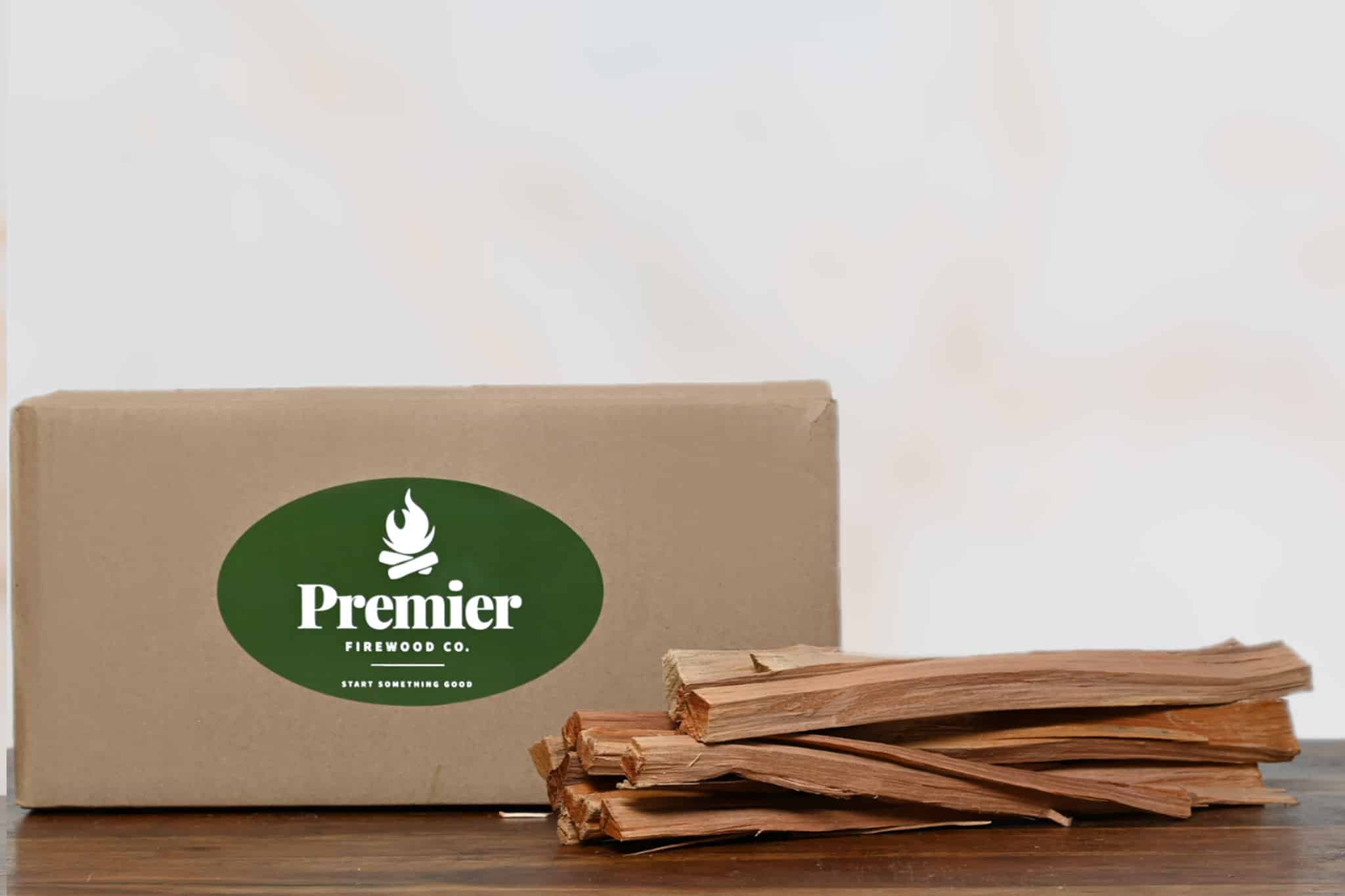
A kiln does the same job in days, under controlled heat. Every pound of water left in a log has to boil off before the wood can warm your room, and that energy comes out of the fire. This is why our kiln dried firewood, at 10% to 15% moisture, produces up to 35% more heat than traditionally seasoned wood.
If you want the full definition of seasoned wood, we cover it in our guide to what seasoned firewood is and why kiln dried is the better choice. Here, we focus on what you notice at the hearth.
How each one lights, burns and smokes
The differences are easy to see once the fire is going.
Lighting the fire
Dry wood catches quickly. Kiln dried logs usually light from a small bundle of kindling and a fire starter. Seasoned logs that are still close to 20% can hiss at the cut ends and need more patience.
Holding a steady burn
Even moisture gives an even burn. A seasoned stack can hold dry logs and damp ones side by side, because each log dried in a different spot. Kiln dried logs leave the chamber at the same moisture, so the fire behaves the same from the first log to the last.
Smoke and chimney buildup
Wetter wood burns cooler, and cooler fires make more smoke. They also leave more creosote, the tar-like buildup that has to be cleaned out of a chimney. Our kiln dried wood produces less creosote, which means fewer chimney problems and less fireplace maintenance.
For more on how moisture affects heating performance, Penn State Extension has a solid introduction to heating with wood.
Why kiln dried firewood is cleaner to bring indoors
Heat removes what air drying leaves behind. Our wood is dried in an industrial kiln at high temperatures, which eliminates bugs and insects. We also store every piece indoors, so nothing sits in the weather before it reaches you.
A seasoned stack stays outside for months or years. That gives insects, mold and fungus time to settle in. It is also why the New York DEC publishes guidance on moving firewood, since untreated wood can carry pests from one place to another.
Premier Firewood Company · Wilton, CT
Want to see what 10% to 15% moisture looks like at your own hearth? We deliver and stack hardwood across Fairfield and Westchester counties.
How to check firewood moisture before you buy
You do not need special gear to spot wet wood. A few quick checks tell you most of the story.
- Weight: dry logs feel light for their size.
- Sound: two dry logs knocked together ring, while damp ones thud.
- Ends: dry wood shows small cracks running out from the center.
- Meter: a pin moisture meter on a freshly split face gives you a number. Look for 20% or less.
Ask any seller how the wood was dried and what moisture range to expect. A clear answer is a good sign. Ours is 10% to 15%, and it is listed with the product.
Three myths about kiln dried firewood
Some common ideas about dried wood do not hold up. Here is what we hear most often.
Myth: it burns too fast
Burn time depends mostly on the species and density of the wood, not on how it was dried. Our mixed hardwood blend of oak, maple, beech, ash and cherry is made up of dense woods that hold a fire well. Kiln dried firewood burns hotter and cleaner because the energy goes into heat instead of boiling off water.
Myth: it is just seasoned wood with a new label
Seasoned wood dries on its own schedule, and the result depends on weather and stacking. Kiln drying is a controlled process with a target number. That is why moisture runs 10% to 15% across our supply, while air dried wood can vary from one log to the next.
Myth: wood can be too dry to burn safely
Dry wood is the goal, not the problem. Dry logs produce less smoke and less creosote, and they light more easily. Chimney safety still depends on regular cleaning, no matter which wood you burn.
Is kiln dried firewood worth the higher price?
It is a fair question. Kiln drying takes heat, equipment and handling, so the wood costs more per cord than a load of air dried logs.
What you get back is heat and time. Drier logs release more usable heat, so you may burn fewer of them for the same warmth. If you light a fire most winter evenings in a town like Westport, the savings show up in how rarely the rack needs a refill.
Our Half Size 1/6 cord of mixed hardwood is $280, and stacking is included. For a full breakdown of sizes, extras and what drives the number, read how firewood prices work.
Which one should you choose?
Choose by how you plan to burn. Seasoned wood can be a fine fuel if you cut it yourself, split it early and have 2 years of stack space.
Choose kiln dried firewood when you want wood that is ready today, consistent from log to log and clean enough to bring inside. It also suits fire pits, stoves and hosting, since it lights fast and burns evenly. Our wood for warmth page shows each hardwood option side by side.
If you are unsure, start small. Order a Half Size 1/6 cord, burn through it and compare it with any seasoned wood you have on hand. The difference in lighting and smoke is usually clear within a few fires.
Storing kiln dried firewood so it stays dry
Dry wood can get wet again. Store kiln dried firewood off the ground, covered on top and open on the sides so air can move through the stack. Keep it a few feet from the house wall.
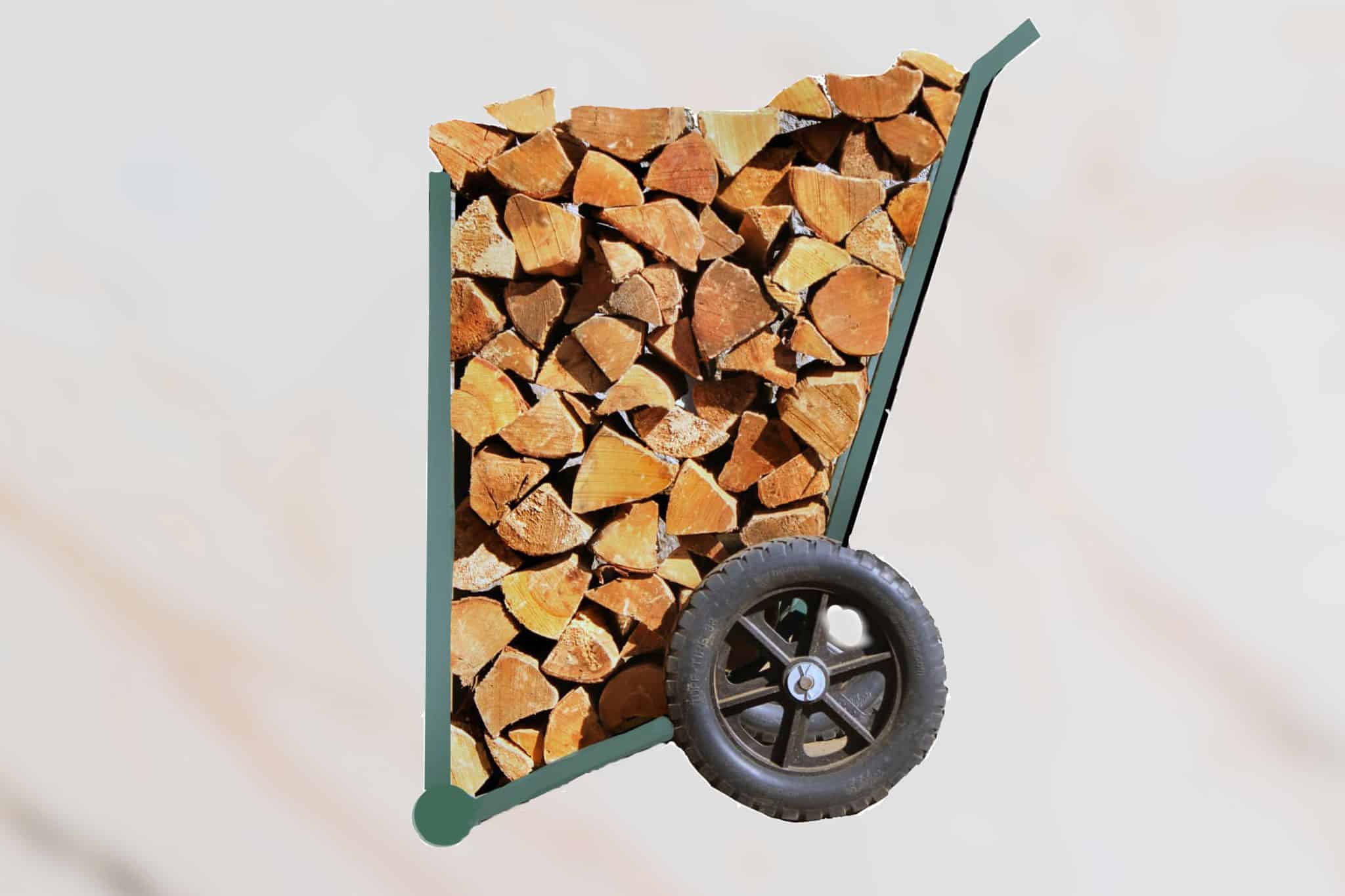
A rack makes this easy. Our half rack (4′ x 4′) is $150 and includes a cover, and our crew assembles the rack and stacks the wood for you. For the full delivery picture, see our firewood delivery guide for Connecticut and New York.
Frequently asked questions
What moisture content should kiln dried firewood have?
Ours is dried to between 10% and 15%. Seasoned firewood is usually 20% or less after 6 months to 2 years of air drying, and the number can vary from log to log.
Does kiln dried firewood burn hotter than seasoned?
Yes. Drier wood wastes less energy boiling off water, so more of the fire’s energy warms your space. Our kiln dried hardwood produces up to 35% more heat than traditionally seasoned wood.
Can I store kiln dried firewood indoors?
Small amounts are fine, since our wood is clean and free of bugs, insects and mold. Keep the main stack off the ground and covered, with airflow along the sides.
Where does Premier deliver kiln dried firewood?
We deliver in Fairfield County, CT and Westchester County, NY, and we ship nationwide. Check our delivery areas page for the towns we serve.
Ready for firewood that is dry, clean and stacked for you? Order our mixed hardwood for delivery in Darien, Scarsdale or Norwalk, or contact our team at 203-866-4252 and we will help you choose a size.